
The Blood of Dawn Walker’s $40 Million Budget Raises Questions About the Future of AAA Games
Rebel Wolves’ Blood of Dawn Walker reportedly cost around $40 million to develop, putting the RPG firmly in the AA category and raising fresh questions about how much money the industry really needs to spend on major games.
News by Tahmid Mahi on Sep 25, 2026
The video game industry has become increasingly familiar with development budgets reaching hundreds of millions of dollars, but Blood of Dawn Walker reportedly took a very different approach. According to a report from Bloomberg’s Jason Schreier, as covered by IGN, the upcoming RPG cost around $40 million to develop, a figure that stands out when compared with some of the much larger projects currently being produced by major publishers.
That $40 million figure reportedly puts Blood of Dawn Walker comfortably within the AAA space rather than the traditional AAA category. The game isn’t perfect, but the relatively small budget has ignited a wider conversation about what game developers are able to do when they put their money into the parts of a game that speak best to their audience.
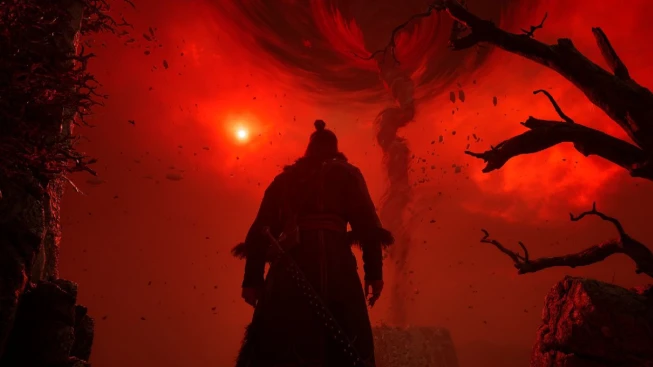
Blood of the Dawn Walker is a massive RPG from Rebel Wolves, a studio composed of ex-CD Projekt Red devs.
The game has an open world, a choice-based story, a unique time-based system, and a melee combat system centered around dueling. It has some rough edges, including concerns about enemy variety and some enemies feeling a bit too tough to take down, but the project shows what a smaller team can do without the backing of a massive production budget.
The $40 million development cost becomes even more striking when compared with other major games. According to the report discussed in the transcript, IO Interactive’s 007 First Light reportedly has a budget of more than $200 million, while Bungie’s Marathon has also been reported to have a budget in a similar range.
That creates an enormous difference between projects. A $200 million game needs to be in front of millions of players to justify that kind of investment, and a $40 million project has an entirely unique financial target. The more money goes into the game, the more developers and publishers feel pressured to make games that appeal to the most players.
That pressure can affect creative decisions. When a publisher is spending hundreds of millions of dollars on development, marketing, licensing, and staffing, simply targeting a specific group of players becomes a much bigger financial risk. Instead, developers have more incentive to create something that appeals to a broad audience, even if doing so means moving away from some of the ideas that originally attracted a game's core audience.
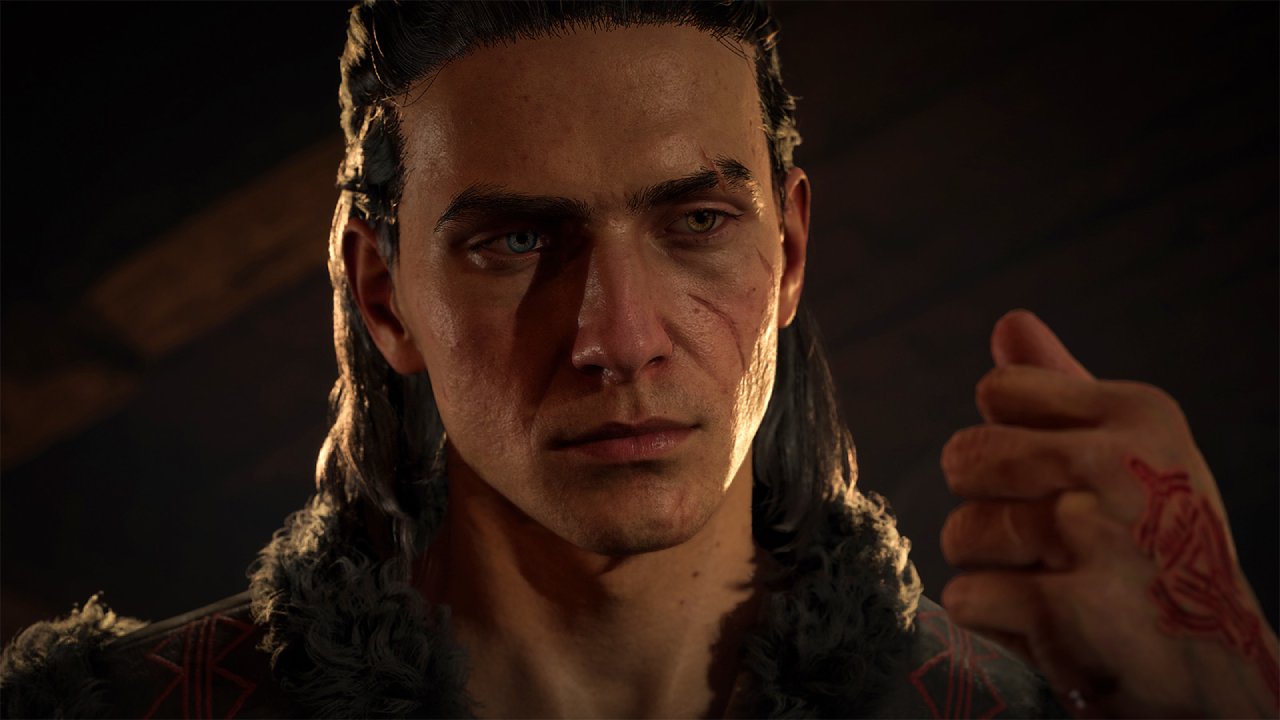
Blood of Dawn Walker appears to have taken the opposite approach. Rather than trying to appeal to everyone, Rebel Wolves focused heavily on RPG players and the elements that make the genre appealing to them. Choice and consequence are central to the experience, while the game's time system forces players to think carefully about how they spend their limited time.
For RPG fans, that provides a different approach to choice and consequence.
Instead of simply choosing between good and evil, players must decide what they value and what they are willing to sacrifice. A side quest is no longer just another item on a checklist because completing it can come at the expense of something else.
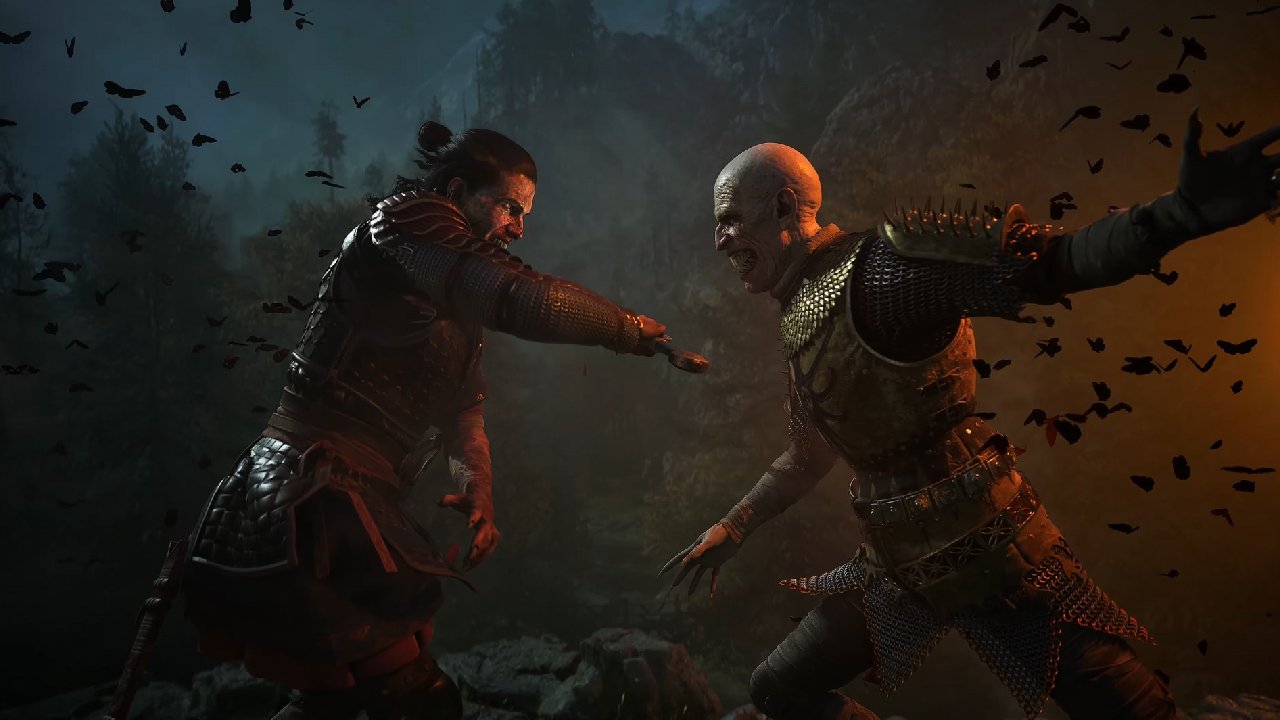
The combat system also gives the game its identity. While you can compare it to other third-person action RPGs, Blood of Dawn Walker puts considerable emphasis on parrying, timing, and medieval-style dueling. The combat reportedly has room for improvement, particularly when it comes to enemy variety, but the basic system provides the foundation for something different.
.jpg)
Rebel Wolves has also continued working on the game after launch, with changes reportedly planned for several areas. Some open-world encounters are being reduced, including the frequency of attacks from enemies such as wolves, while other adjustments are being made to combat and accessibility.
It’s particularly striking to see the scale of the studio’s approach to development. Reports suggest that in 2024, Rebel Wolves had about 90 employees before growing to about 160. Despite this expansion, the studio has indicated that it does not want to keep growing indefinitely.
The idea is to maintain a team size that allows the people behind the game to remain closely connected to the development process. According to comments attributed to Rebel Wolves co-founder Konrad Tomaszkiewicz, the studio wants to avoid becoming so large that its leadership loses direct contact with the people creating the game.
That smaller structure can also help explain how a project like Blood of Dawn Walker can remain within a $40 million development budget. Modern game-development technology has become increasingly capable, allowing smaller teams to produce large and visually impressive games without necessarily requiring hundreds of employees.
Location also plays an important role in development costs.
A studio operating in parts of Europe can face different labor and operating costs compared with a major team based in the United States. That does not mean every European project is inexpensive, but it can give studios in certain regions a different financial starting point.
The financial structure behind Blood of Dawn Walker also reportedly began with Tomaszkiewicz self-funding the project during its first year. The team used that period to develop a prototype while looking for a publishing partner, eventually bringing in funding and investment that helped the project move forward.
This also highlights another difference between smaller studios and big AAA developers. A large publisher can spend enormous amounts of money across multiple projects, but an independent studio has to be much more deliberate about where its resources go.
The question now is whether this model can produce a longer-term advantage. A game does not necessarily need to sell tens of millions of copies to become financially successful if its development costs are controlled. A $40 million game selling one million copies at a $70 price point would generate $70 million in gross revenue before platform fees, licensing costs, publisher agreements, and other expenses are taken into account.
That does not mean one million copies automatically guarantees a $30 million profit, because the actual financial arrangements behind a game are far more complicated. However, the comparison illustrates why a smaller initial investment can provide developers with more flexibility.
It also provides a game with a game more room to benefit from long-term sales. Discounts, PC releases, console promotions, and future installments can continue generating revenue after launch without requiring the game to immediately become one of the industry's biggest blockbusters.
This is where the difference between AA and AAA development becomes particularly important.
A huge game can still be successful, but the amount of money invested in it increases the number of copies it needs to sell before that investment is recouped. That also means the game must maintain strong sales long after launch and perform well across multiple platforms and markets.
Blood of Dawn Walker instead represents a model in which a developer can concentrate on a specific audience and build around the features that audience actually wants. Its success does not prove that every game should have a $40 million budget, but it does demonstrate why smaller-scale projects are becoming increasingly important as AAA development costs continue to rise.
There is also a growing middle ground between old-school indie games and massive AAA productions. Games such as A Plague Tale: Innocence have shown in the past that a smaller project can provide an experience that feels big without the budget of the largest releases in the industry.
As technology continues to advance, that middle ground could become even more significant. Now smaller teams have powerful engines and development tools that allow them to create large environments, detailed characters, and complex systems without necessarily needing the same workforce that would have been needed years ago.
That can mean more choice for players.
Instead of every major RPG being a giant hundred-hour experience, game devs might focus on shorter, more replayable games at their core with meaningful decisions. The approach of Blood of Dawn Walker is especially suitable for that idea, as its different outcomes and choices force players to experience the game through several playthroughs rather than trying to see everything in a single run.
Ultimately, the $40 million figure attached to Blood of Dawn Walker is less striking because of the number itself and more because of what it represents. At a time when reports of $200 million and $300 million game budgets are becoming increasingly common, Rebel Wolves has shown that a smaller team can still build a large RPG around a clear creative identity.
It’s unlikely that AAA productions will be abandoned anytime soon, and the massive games will continue to require significant investments. Blood of the Dawn Walker, however, is another example of why the future of video game development doesn’t always have to be about making every project bigger, longer, and pricier.
Editor, NoobFeed
Related News
No Data.