
Finland Built Two Game Industries and They Have Almost Nothing in Common
Other by Aisaka Taiga on Sep 25, 2026
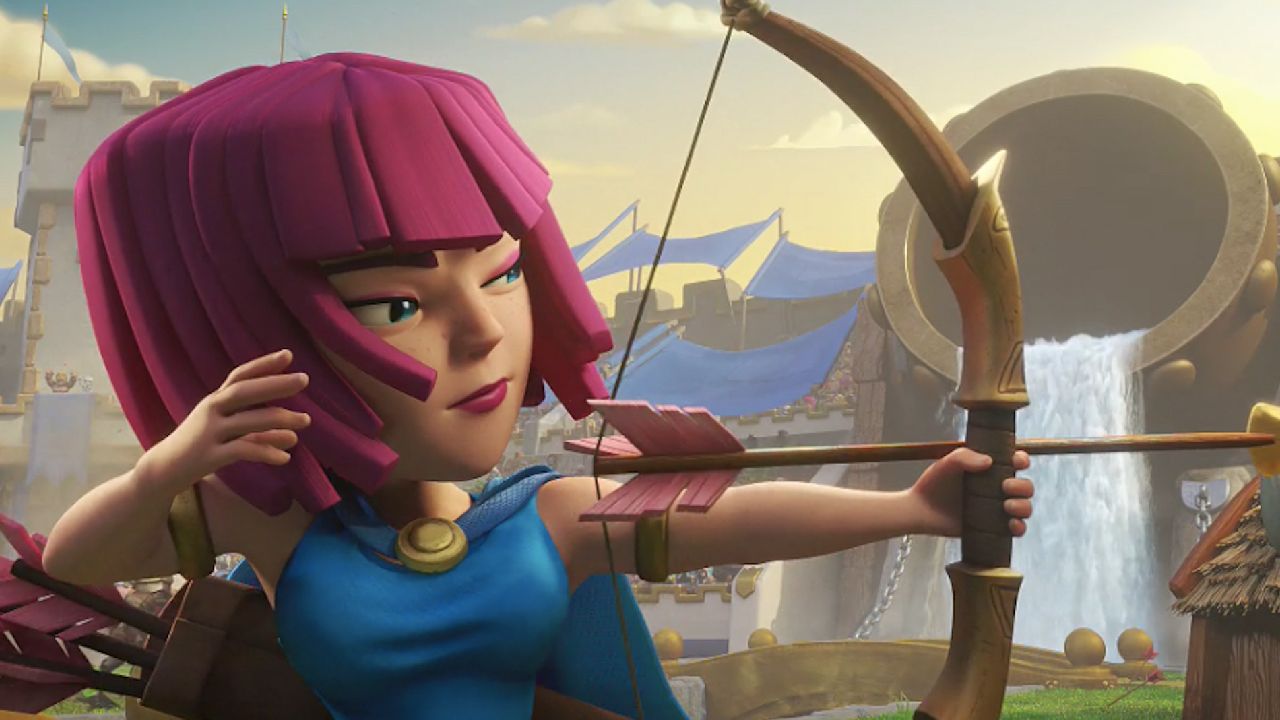
Supercell and Remedy are headquartered about twenty minutes apart. They share a country of five and a half million people, a talent pool, and a common origin in the same demoscene culture.
They have essentially nothing else in common, and the gap between them is wider than the one between either and a studio on another continent.
Worth laying out, because the two models are frequently discussed as if they were the same industry at different scales, and they are not.

Two Completely Different Businesses
Set the operating models side by side and almost every variable inverts.
Revenue. Mobile runs on free-to-play with in-app purchases, where the product is given away and monetized over years. Console runs on premium, where somebody pays once at launch and the relationship is largely concluded.
Team structure. Supercell is built around small autonomous cells with authority over their own projects. Remedy assembles large single productions around one title for years at a time.
Development cycle. Continuous live operations against three to six years of closed development ending in a launch.
Success metrics. Retention curves and revenue per daily active user, against review scores and units sold.
Kill rate. This is the starkest one. Supercell became known for canceling games in testing, sometimes after years of work, on the basis that a game which is merely good is not worth the operational commitment. Remedy has shipped essentially everything it has seriously developed.
Two enterprises with opposite instincts about what to do with a project that is not working.
The Talent Barely Moves
Which produces something you would not predict in a country this small.
You might expect heavy circulation between studios, given the geography and the shared origins. In practice, the skill sets diverged early and have kept diverging. Live operations, monetization design, and retention analysis don't transfer to narrative-driven console production, and the reverse is equally true.
A designer who has spent a decade tuning progression curves for a mobile audience of hundreds of millions is not obviously the right hire for a studio making a psychological thriller with live-action inserts. The disciplines share a job title and very little else.
So Finland ended up with two parallel industries in adjacent postcodes, neither feeding the other.

A Third Sector Doing the Same Thing
Another Finnish digital industry resembles the mobile model more than the console one, and it is currently being rebuilt from scratch.
Finland ran its casino sector as a state monopoly for decades. Veikkaus held exclusivity over casino games, slot machines and lotteries, with proceeds distributed by statute to culture, sport and science. One operator, no competition, and no product to fight over for players.
That is ending. The country is moving to a licensing system, which means international casino operators will compete for Finnish players under license rather than a single state entity serving them by default. Which platform ends up regarded as the best online casino in Finland is now an open commercial question, decided by retention, payout handling and game libraries rather than by statute.
The operating model that arrives with those operators is recognizably Supercell's rather than Remedy's. Continuous live service, retention analytics, revenue measured per active user over time, and cohorts tracked rather than units shipped.
A Finnish casino sector that spent decades with a guaranteed audience is about to meet the discipline the country's mobile studios built their businesses on, and it will be an instructive thing to watch.
Why Both Models Worked Here
The shared explanation is the constraint everything Finnish runs into.
Five and a half million people is not a domestic market. Any Finnish company of either type has to export immediately, which rules out the option of building something that works adequately at home and expanding later.
For mobile, that meant designing for a global mass audience from the first prototype. For console, it meant making something distinctive enough to find an international enthusiast audience, because a competent but unremarkable game has nowhere to hide.
Same pressure, opposite responses, and both produced companies that punch well above the country's weight. The demoscene supplied the technical foundation for both, which is the one genuine point of contact in the whole story.
Which is Actually Harder
Worth asking, because the console side attracts more respect and the reasoning is not entirely sound.
Premium development is a bet. You spend years, you ship, and you find out. The failure mode is severe and public, and the skill is holding a vision through a long development cycle.
Live service is a different discipline entirely. The failure mode is slow, measurable and continuous, and the requirement is to keep an audience engaged for years while competing against everything else on a phone. Killing your own project after two years of work because the retention data says so is a form of rigor the premium side rarely has to practice.
Neither is easy and they are not the same job. Treating mobile as the lesser discipline is a category error that happens to be widely held among people who prefer the games the other side makes.
More on the studios and releases across the latest games news archive, and the Finnish entries still turn up with a frequency that doesn't match the population.
Moderator, NoobFeed
Latest Articles
No Data.