
How AI Game Generators are Transforming Indie Game Development in 2025
Technology by Aisaka Taiga on Oct 22, 2025
The indie gaming landscape is undergoing a seismic shift as artificial intelligence technologies begin to play a pivotal role in development. In 2025, incorporating AI game generators is not merely a trend but a fundamental transformation shaping how games are created, enabling developers to push boundaries in creativity and efficiency.
As indie game developers embrace these advanced tools, they are revolutionizing how games are designed, developed, and published, paving the way for innovation and diversity in the gaming industry.
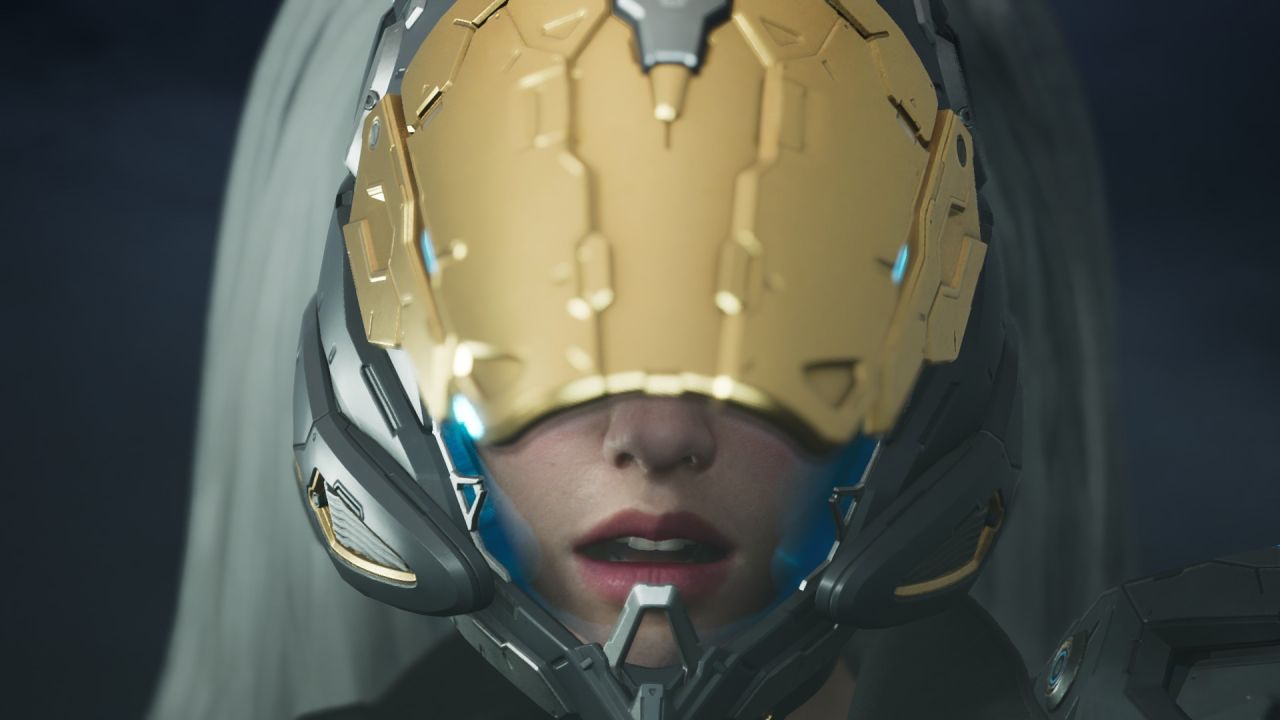
The Rise of AI in Game Development
The advent of AI in game development marks a significant turning point, especially in the indie scene, where resource constraints often limit creativity. AI game generators, sophisticated algorithms designed to automate various aspects of game creation, are now transforming how games come to life.
These generators can help developers build more intricate, dynamic experiences without the massive investment typically required in game production. For indie developers, these tools are becoming indispensable, enabling greater innovation while reducing costs and time commitments.
What Are AI Game Generators?
AI game generators use machine learning and artificial intelligence to create game assets, streamline design processes, and even develop gameplay mechanics. These generators can produce unique art styles, generate dialogue, and dynamically adapt game stories based on player choices, thereby significantly reducing the workload for indie developers.
This technology allows for rapid prototyping and iteration, making it feasible for small teams to explore complex ideas without the immense labor typically required.
Key Benefits for Indie Developers
AI game generators offer numerous benefits for indie developers. These tools enhance creativity by providing new ways to visualize concepts and automate mundane tasks. By leveraging AI, developers can focus on higher-level design and narrative elements instead of getting bogged down in repetitive details.
AI can also analyze player data to personalize gaming experiences, boosting engagement and satisfaction. This capability gives developers the chance to create more immersive, tailored games, setting indie offerings apart in a crowded marketplace.
Challenges and Limitations of AI Game Generators
Despite their advantages, integrating AI game generators is not without challenges. Developers must navigate these hurdles thoughtfully to achieve success.
Navigating the Learning Curve
For many indie developers, adopting AI technology comes with a steep learning curve. Machine learning concepts can be daunting, and not all developers have the technical expertise to use these tools effectively.
As a result, some may feel overwhelmed or hesitant to adopt AI, fearing that it could complicate their creative process rather than enhance it. Access to educational resources and supportive communities will be essential in helping developers overcome these barriers.
Balancing Creativity and Automation
Another significant challenge revolves around balancing automation with creativity. While AI can dramatically accelerate production, over-reliance on automated features risks diluting the originality and personal touch that characterize indie games.
Developers need to balance letting AI handle routine tasks with maintaining their unique artistic vision. When done correctly, this synergy can yield innovative results, but it requires thoughtful oversight to keep creativity at the forefront.
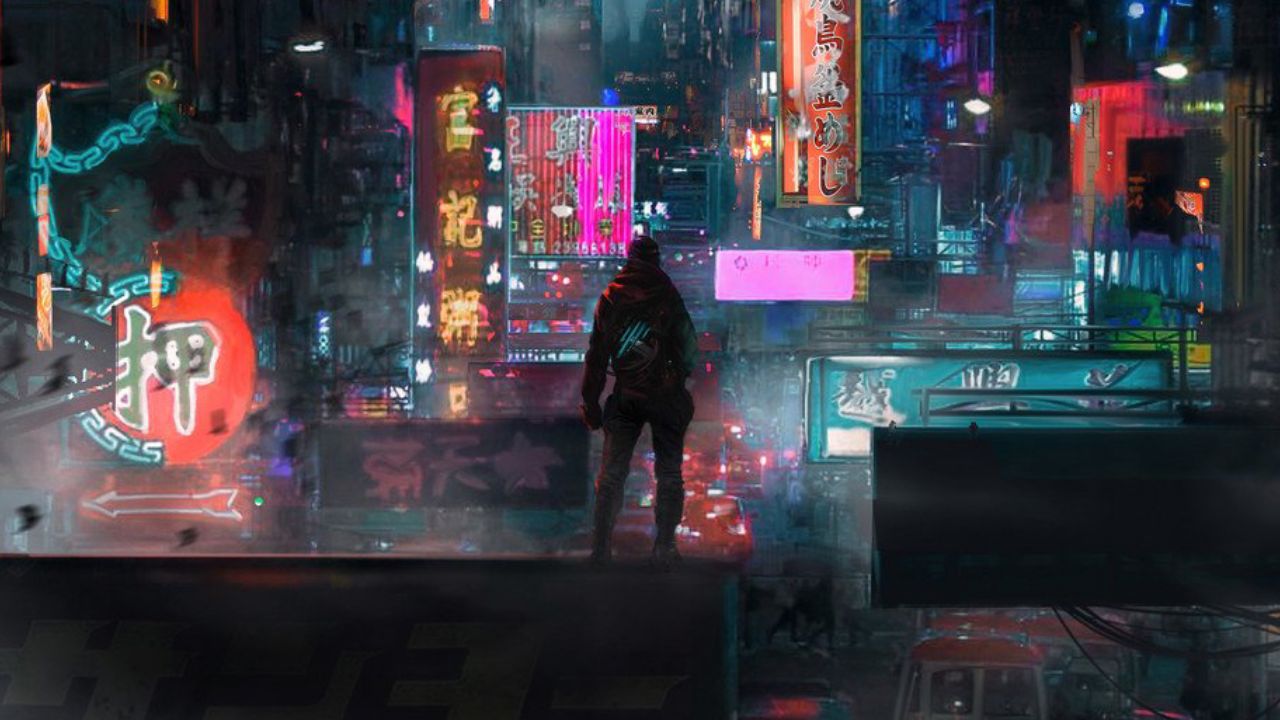
Real-World Examples of AI in Indie Games
Real-world applications of AI in indie games illustrate the transformative power of this technology. Several titles have utilized AI game generators, successfully merging creative artistry with computational efficiency.
Case Study: Successful Indie Games Using AI
One notable example is "Vampire Survivors," which incorporates AI-generated elements to enhance gameplay and storytelling. The developers leveraged AI to design diverse enemy behaviors and adapt levels based on player reactions. Players reported a richer experience because the unpredictability of encounters kept the gameplay fresh and engaging.
Another example is "Fae Farm," where AI created enchanting environments, allowing small teams to build expansive worlds with intricate details that would have been impossible otherwise. These examples show how AI drives innovation by letting developers explore creative avenues once thought unattainable.
Innovative Features of AI-Generated Games
The features emerging from AI-generated games are sparking renewed interest in the indie development scene. As these innovations become integrated into game mechanics, they shape the future trajectory of game design.
For the latest updates on how AI is transforming gaming and other industry trends, NoobFeed provides comprehensive news and analysis to keep you informed about cutting-edge developments in the gaming world.
The Future of AI in Indie Game Development
One of the most promising features of AI in game development is its capability to create adaptive narratives. Games can now respond in real time to player choices, dynamically changing story paths and outcomes. This not only enhances player engagement but also encourages experimentation, as players are more likely to return to explore alternative scenarios.
AI tools are also advancing to enable larger-scale world-building, helping developers craft more immersive gaming experiences without extensive manual labor. Procedural content generation could mean players find unique experiences on every playthrough, boosting the longevity and replayability of indie games.

Predictions for 2025 and Beyond
As AI game-generation technology continues to mature, several predictions for the future of indie game development are on the horizon. Experts forecast a significant rise in AI tool use across all levels of game production, leading to more diverse genres and storytelling approaches.
As AI processing capabilities advance, the complexity and depth of AI-generated games will likely increase, enabling richer narrative experiences and more sophisticated player interactions. More collaborative projects between AI and human developers are also expected to emerge, leading to innovative hybrids that blend technology with artistic expression.
Moderator, NoobFeed
Latest Articles
No Data.