

AMD Radeon RX 6500XT 8GB vs 4GB: Gaming Benchmarks and VRAM Impact
Performance behavior of the 8GB RX 6500XT evaluated through multiple modern titles using various settings and resolutions.
Hardware by Godrics01 on Nov 29, 2025
2022 was not a time to buy a graphics card. Stock was scarce, prices were high, and those looking for something new had been waiting for something to appear. Anything eventually appeared as the 4GB Radeon RX 6500 XT. It was not just VRAM that held this card back. It also has a 64-bit bus width and four PCIe lanes.
This is a Gen4 card, and running it in an older Gen3 system, for example, can degrade gaming performance. A lot of gamers who were shopping for what was a sub-$200 graphics card at the time may have had an older Gen3 PC and would therefore be leaving performance on the table. Despite the 6500XT’s shortcomings, there was always curiosity about whether an 8GB version would perform any better.
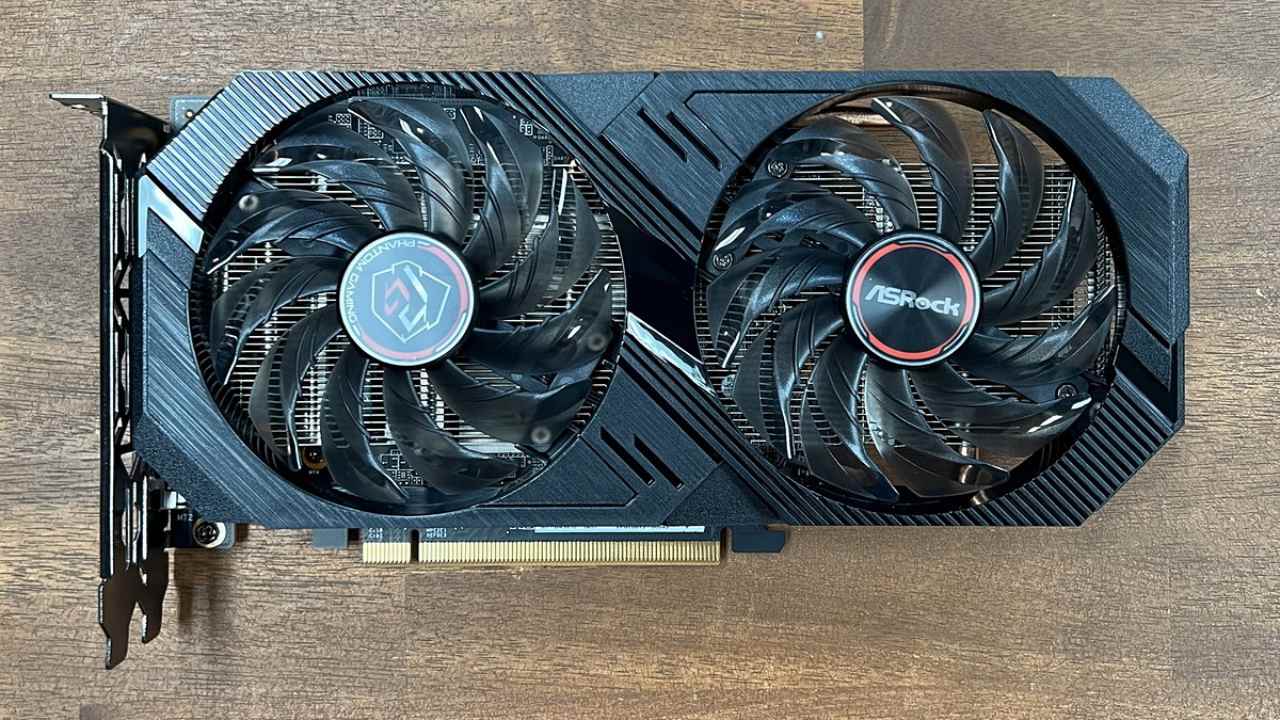
An 8GB version eventually surfaced. 6500XT launched with only 4GB, but a few months later, a few vendors began selling 8GB models. One of them is from HP and was listed as the Radeon NV24 Kicker 8GB. NV24 refers to Navi24, the GPU itself. The specific system this card was pulled from is unknown, but it was found for $142 in the US.
Regular 4GB 6500XTs can be found for less than $100. The next card up performance-wise, the RX 6600, can be found for between $10 and $20 more. The question, then, becomes whether anything else has changed.
Specifications and Physical Differences
The 8GB 6500XT features an 8-pin power connector instead of a 6-pin, though it seems to use only about 3W more. It peaked at 83W instead of 80W. Aside from that, it is the same 64-bit card with four PCIe lanes, 1,024 cores, two display outputs, and no hardware encoding. That means no internal game recording with AMD Relive software. The question is how it performs on its own before comparing it to the 4GB model and the RX 6600.
Individual Game Performance at 1080p
Counter-Strike 2, at 1080p with a high preset and 4xMSAA, the card achieved 140 fps, with a 1% low of 107 and a 0.1% low of 85. Performance stayed consistent across different modes and maps.
GTA V Enhanced, at 1080p with a high preset and FSR3 at native resolution, the card achieved 72 fps with consistent percentile lows. Gameplay remained stable whether moving around town or causing chaos.
Kingdom Come Deliverance 2, at 1080p with a low preset and SMA2TX instead of FSR, the average was 69 fps, with 1% lows of 54 and 0.1% lows of 51. Gameplay stayed consistent across various areas.
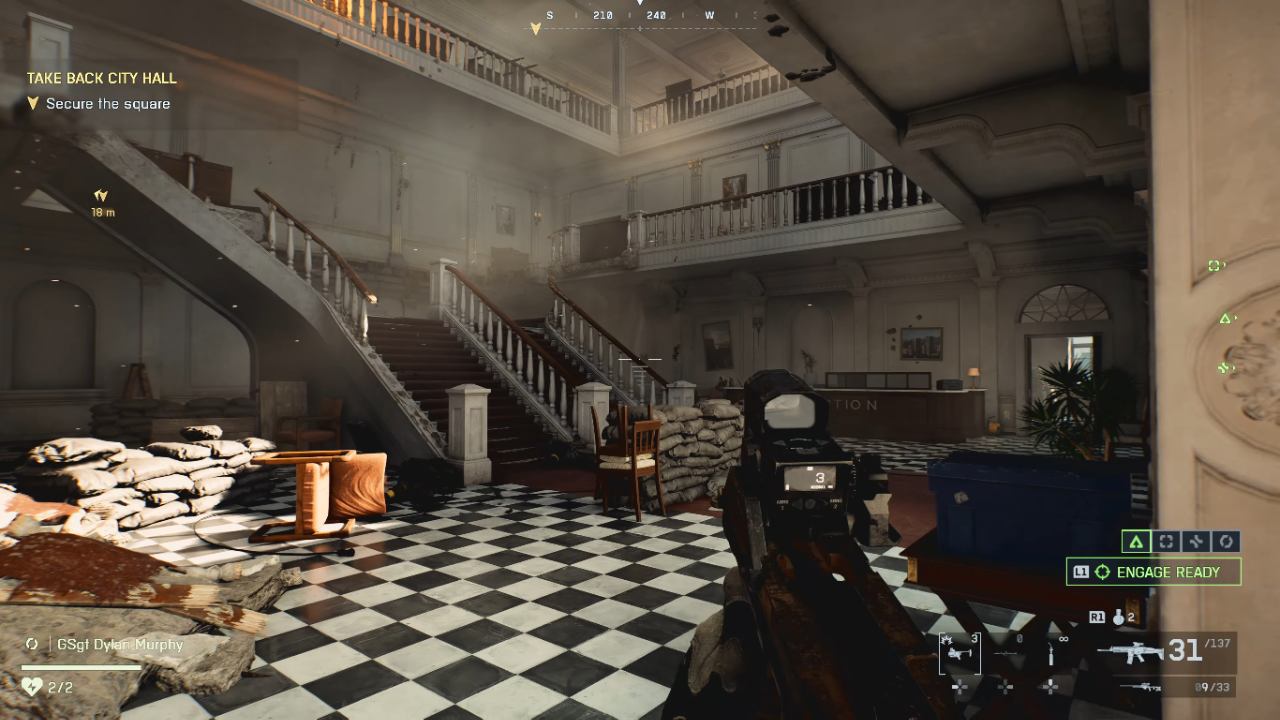
Battlefield 6, with the lowest settings and TAA, the average was 64fps, with a 1% low of 53 and a 0.1% low of 49.
Cyberpunk 2077, with a low preset, medium crowds, high textures, and FSR3 Quality, the card hit 83fps. FSR3 reduced dips below 60fps that occurred without upscaling.
Red Dead Redemption 2, ultra textures with medium settings and TAA averaged 77 fps. Some areas introduced minor issues, but gameplay remained manageable.
Graders, at 1080p with a medium preset and TAU, the average was 80 fps, with 1% and 0.1% lows of 68 and 62, respectively. Textures loaded properly, unlike when running on older cards with less VRAM. The card did become noisy. It did not run hot, but the fan produced noticeable sound levels during gaming. It remained silent during idle conditions.

Comparative Performance: 4GB vs 8GB vs RX 6600
Counter-Strike 2, all cards handled the high preset without VRAM issues. The 4GB and 8GB 6500XTs performed nearly the same, with 163 fps and 162 fps, respectively. RX 6600 reached 242fps.
GTA V Enhanced (Very High RT + TAA), RX 6600 managed 62fps. The 4GB 6500XT ran out of VRAM, causing freezes, stutters, and an average of 10 fps, with a 0.1% low of 0.9 fps. The 8GB 6500XT achieved 38 fps with stable percentile lows, showing a clear improvement.
Kingdom Come Deliverance 2, RX 6600 reached 67fps. The 8GB 6500XT reached 42fps with stable lows of 36 and 35. The 4GB card dropped to 34fps with lows of 25 and 13, resulting in inconsistent gameplay.
Battlefield 6 (Medium Settings), RX 6600 produced 94fps. The 8GB 6500XT reached 58 fps, with 48 and 44 as percentile lows. The 4GB card hit 34 fps, with occasional dips.
Cyberpunk 2077 (High Preset), RX 6600 hit 66fps. The 8GB 6500XT managed 43fps with lows of 29 and 27. The 4GB version managed 28fps with lows of 16 and 11, making the setting unsuitable.
Final Toughts
The 8GB version still falls short of the RX 6600, which is available in the US for only slightly more money. If an 8GB 6500XT is close in price to the RX 6600, it is worth spending the extra for the RX 6600. However, if both the 4GB and 8GB variants are priced similarly and both are significantly cheaper than the RX 6600, the 8GB version is the clear choice.
If considering the 4GB 6500XT, it may be worth checking secondhand RX 570s, RX 580s, and GTX 1650 Super cards, especially for those running Gen3 systems. All tests mentioned were run on a Gen4 system with an i5-12400F, and even then, the difference between the 4GB and 8GB versions was significant.
The 8GB version offers a noticeable practical improvement, and it will be useful to see how it handles newer releases compared to the 4GB variant.
Also, check our other AMD articles below:
- AMD Ryzen 9 9950X3D Review: Setting The Standard For 2025 Gaming CPU
- AMD Ryzen 7 9800X3D Review: 3D V-Cache Goes God Mode with Stunning Gaming Performance
- AMD RX 9070 Performance Review: Thermals, Clocks, and Real-World FPS
- AMD Ryzen 5 7600 Review: Best Budget Gaming CPU of 2025?
- AMD Radeon RX 7800 XT Review: RDNA 3 Power For Midrange Gaming
- Sapphire NITRO+ AMD Radeon RX 9070 XT Review: The Ultimate 4K Gaming GPU
- AMD Ryzen 7 7800X3D: Delivers Gaming Performance Far Beyond Expectations
- AMD Ryzen 9 7900X Review: Powering the AM5 Era with DDR5 & PCIe 5.0
- ASRock Radeon RX 7800 XT Challenger OC Review: Best Price-to-Performance GPU of 2025
- Intel Core i9‑14900K vs. AMD Ryzen 7 7800X3D: Power Profiles & Gaming Benchmarks
Editor, NoobFeed
Latest Articles
No Data.