
Are Subscription Models the Future of Video Gaming?
Opinion by Arisu Taiaya on Sep 01, 2025
Gaming has come a long way, especially when you consider that just a decade ago, you had to physically buy a copy of a new AAA title to play it. In fact, beyond the freebies you might have received with your console, you had to buy each and every game.
However, introducing subscription models has been a game-changer (pun intended), completely revolutionizing gaming. Instead of spending big bucks on each title you want to play (new or old), you can get real value for money by paying a set amount for a variety of games.

Each month, new titles are added and removed from these subscriptions, creating anticipation and excitement that keeps gamers coming back. The rise of Xbox Game Pass, PS Plus, and other gaming subscriptions raises the question of whether they are worth the money and what the new face of gaming looks like.
The Heavyweights: Xbox Game Pass vs. PlayStation Plus
Looking at how well these subscription models have fared on other platforms, we can confidently assume they will thrive in the gaming landscape.
If we are being completely honest, gaming is (unfortunately) a very expensive hobby, especially if you want a high-quality experience. However, this is where the appeal of these subscriptions comes in, so let's look at some of the pros and cons of the industry heavyweights:
Xbox Game Pass
The Xbox Game Pass is probably the most well-known (and most popular) of gaming subscriptions; the Netflix of gaming, if you will. Marketed as an all-you-can-play service, its appeal lies in its rotating library of indie and AAA titles and cloud gaming, all for just $20 per month. If that might break the bank, $10 and $15 options let players access smaller gaming selections that still offer value for money.
If you like to pour all your effort into one game, this might not be a great option, since you may end up not playing most of the titles you are paying for.
However, this subscription is an excellent option for gamers who enjoy switching things up and playing different games and genres in a short period. The best part? Gaming selections change every month, so there is always a new game to check out in your library.
PlayStation Plus
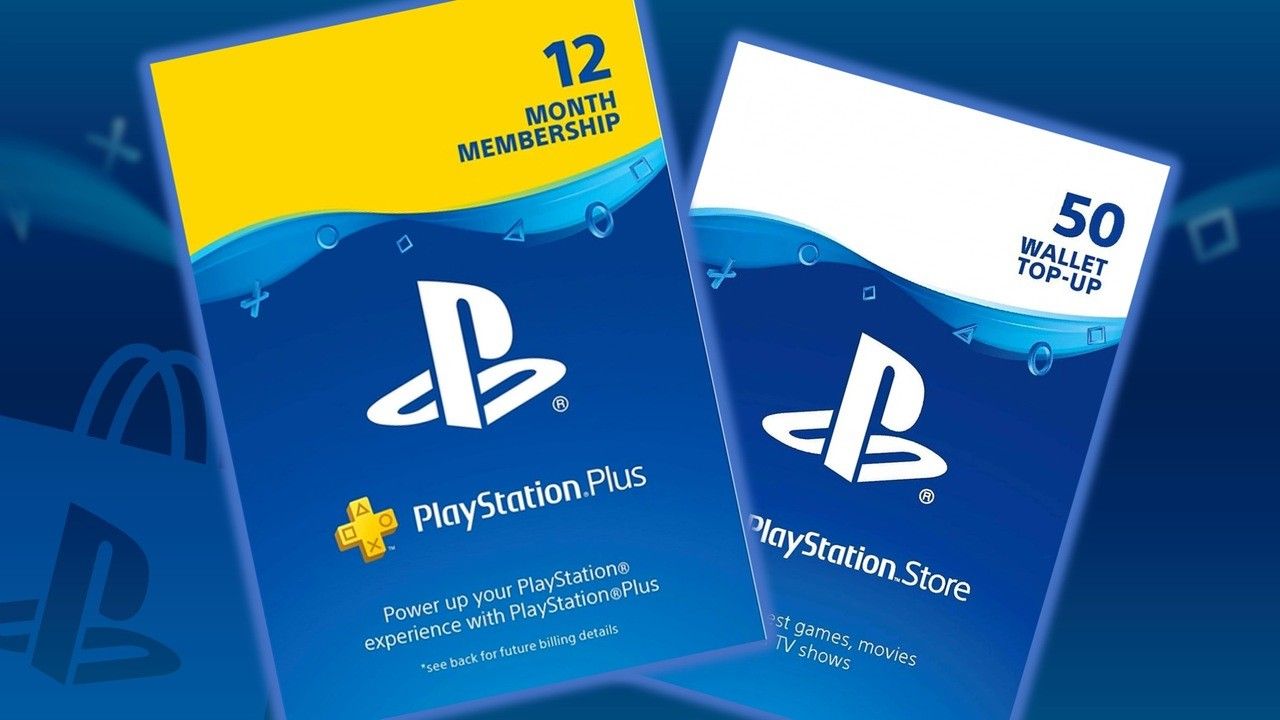
Like Xbox, PlayStation Plus also uses a tiered approach, letting players choose between Essential, Extra, and Premium. Compared to Xbox Game Pass, the perks are more limited, especially the number of games players can access. Here is a breakdown of each tier:
- PS Plus Essential: A $9.99 per month subscription that gives players one PS5 game and two PS4 games (this changes each month). It also includes online multiplayer access, cloud storage, and exclusive discounts on specific titles.
- PS Plus Extra: This $14.99 monthly subscription adds more value than the previous option, combining PS Plus and PS Now to give players up to 400 PS4 and PS5 games. This tier includes AAA titles such as God of War, Death Stranding, and Returnal, which is impressive.
- PS Plus Premium: As the title suggests, this option includes the perks of the previous two tiers, plus streaming PS3 games to your console. These may also include PS1, PS2, and PSP titles, but the only downside is that they aren't downloadable.
The Indie Corner: Bundles and Niche Subscriptions
We get it; sometimes the mainstream options just don't have what you want and don't seem worthwhile. Even worse, these options often target console players, so what about us PC gamers? Well, you'll be happy to know subscription services like HumbleBundle cater to PC gamers and console players alike.
HumbleBundle (and similar platforms) function on a pay-what-you-want model, giving players more freedom to choose where (and how) they spend their money. The website has tiers starting at $11.99 per month and going up to $14.99, which includes a bunch of perks along with your Steam keys.
Yes, you read that correctly. Unlike Xbox Game Pass and PS Plus, you don't just get to play the games available that month; you keep them forever. Each month, gamers can choose nine titles that come with their subscription, plus a 20% in-store discount.
The most impressive part is that 5% of your monthly subscription fee supports a charity, and the website shows the chosen charity for that month. Fanatical, Green Man Gaming, and SteamDB are other great options that let players choose from a range of PC gaming bundles.
The Verdict: Pros and Cons of the Subscription Model
Before a final verdict, let's take a quick look at the pros and cons of video game subscriptions and what they mean for gaming going forward. Starting with the positives, players have plenty of room to explore genres they wouldn't normally consider.
Even more, the low fee for a variety of games often encourages gamers to try these titles, so they get full value for money. Not everyone can afford to constantly buy games at full price (or even discounted prices, depending on how new a title is), and subscriptions equate to low-barrier entry. This means gamers can access high-end gaming options, regardless of their socio-economic background.
Another positive is the revolving door of content players get to enjoy each month, keeping their gaming experience fresh and new. However, this also has a downside, which is our first con for subscriptions: you have a time limit on specific titles.
If games leave the library, playing them before they disappear creates urgency that can undermine the joy of gaming. Likewise, since you only rent these titles through your subscription, canceling your memberships means losing access to your games (and potentially, your progress).
Lastly, these models might not be fair for smaller game developers and studios, as they end up losing out on revenue. Instead of their games selling at full price, these titles are included in a monthly subscription for less than a third (or even a quarter) of the retail price.
Final Thoughts
While gaming subscriptions have their pros and cons, a few tweaks could make these systems more cost-effective and appealing to gamers.
In fact, platforms like HumbleBundle can offer major game developers valuable insights into which parts of their services need improvement. As such, our final verdict is yes, video game subscriptions may just be the new face of gaming.
Moderator, NoobFeed
Latest Articles
No Data.