
NVIDIA CEO Jensen Huang Resigns as Colette Kress Becomes Interim CEO
Jensen Huang's sudden departure puts NVIDIA's leadership, AI dominance, and long-term semiconductor strategy under unprecedented scrutiny.
News by Tanvir Kabbo on Nov 13, 2026
The tech industry is at an unexpected inflection point. Jensen Huang, co-founder and longtime president and chief executive of NVIDIA, has officially stepped down, effective immediately, ending a remarkable 33-year reign that transformed a graphics processor maker into a central player in the global artificial intelligence revolution.
Huang's exit, announced on November 12, 2026, comes amid mounting controversy over his personal relationships and issues of national security and international commercial ties.
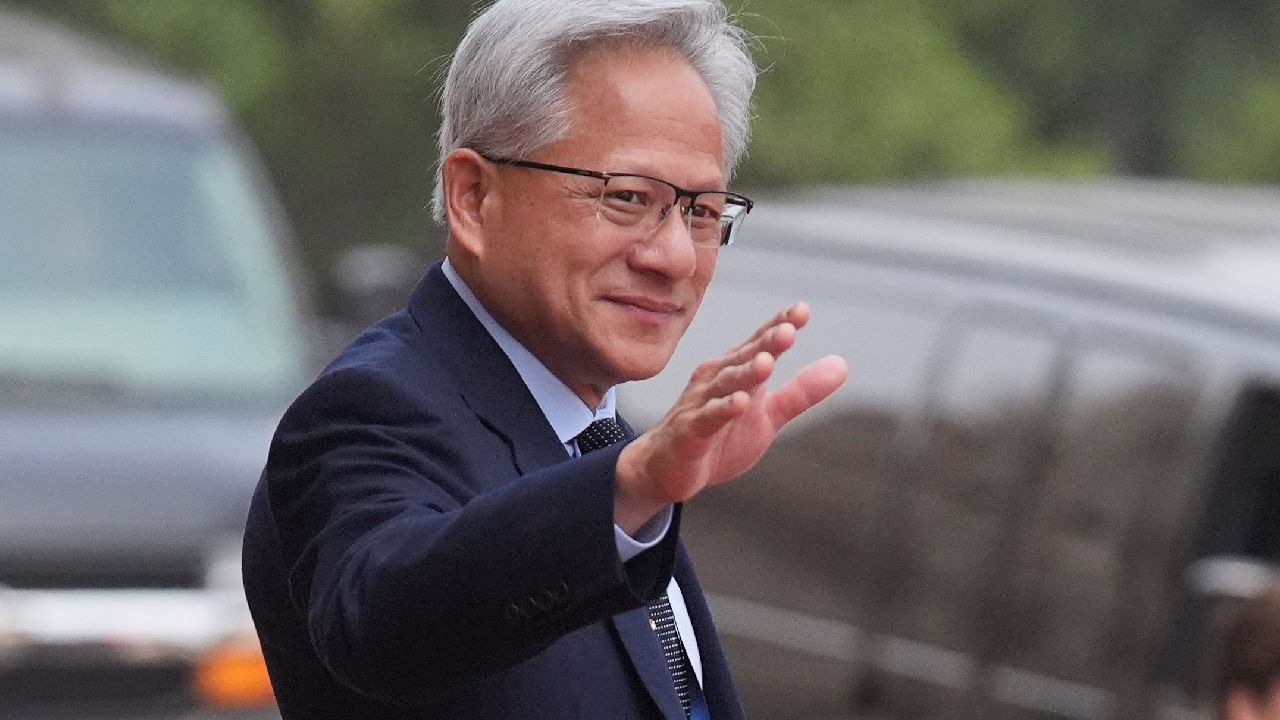
For hardware enthusiasts, this is far bigger than another executive move. Huang has been at the center of NVIDIA's role in the GPU industry, AI infrastructure, and the semiconductor ecosystem. His exit is an unparalleled leadership test for a firm whose actions impact everything from gaming graphics cards to hyperscale AI data centers.
NVIDIA's board has appointed Colette Kress, the company's longtime Executive Vice President and Chief Financial Officer, as Interim CEO. Kress joined NVIDIA in September 2013 after holding senior financial positions at major technology companies, including Cisco and Microsoft. She will retain her CFO responsibilities while overseeing the company until the board selects a permanent successor.
The board has confirmed it will consider both internal and external candidates. Meanwhile, Harvey C. Jones has been appointed NVIDIA's first-ever Chairman of the Board. Jones is a longtime NVIDIA director who joined the board in 1993 and previously served as CEO and Executive Chairman of Synopsys.
This agreement clearly delineates roles during the changeover. Kress will lead executive operations and financial strategy, while Jones will lead the board through the succession process. First, we must keep the faith of employees, investors, manufacturing partners, and key enterprise clients. National Security Scrutiny Adds Complexity
Huang's dismissal comes amid accusations of purported personal relationships and ties involving businesspeople under inquiry for possible intelligence links. These developments have raised concerns about corporate governance, information security, and the transnational distribution of advanced AI hardware. However, suspicions of intelligence ties should not be conflated with proven cases of espionage.
This distinction matters because NVIDIA operates in an increasingly sensitive global semiconductor market, where export limits and the mobility of advanced chips already attract significant official attention. There's also the problem of the reputational damage that it's doing to its executives at NVIDIA. Maintaining confidence in its compliance procedures, customer relationships, and internal oversight will be important.
NVIDIA's AI Dominance Faces Its Biggest Leadership Test
NVIDIA's competitive advantage does not depend entirely on one executive. Its strength comes from an interconnected ecosystem involving CUDA, software development tools, networking technologies, GPU architectures, and long-standing relationships with data center operators. Nevertheless, Huang played an unusually central role in connecting these elements through product strategy and long-term investment decisions.
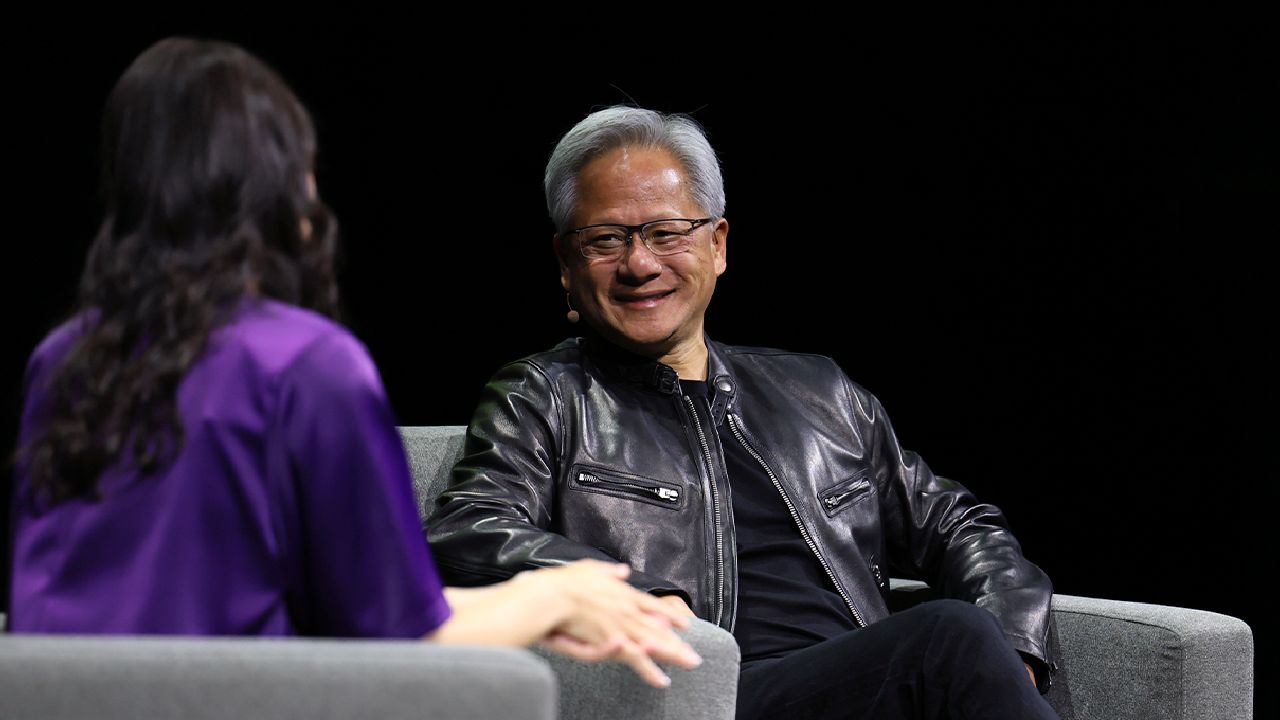
His exit raises the question of how aggressively NVIDIA will pursue future architectural advances and expand its AI infrastructure business. The leadership change may also give customers a chance to diversify their hardware spending, which could benefit rivals like AMD and other AI accelerator providers. But replacing NVIDIA's current software ecosystem and deployment infrastructure will remain difficult.
The financial reaction has already shown investors' sensitivity. NVIDIA shares saw significant volatility after the news, with reports of a 14% intraday drop. These moves reflect more worry about leadership continuity than a breakdown in the organization's fundamental technological capabilities.
NVIDIA's Upcoming Earnings Call Becomes Crucial
NVIDIA's next major test arrives on November 17, 2026, when it reports its third-quarter fiscal 2027 financial results. Investors will look at more than revenue and earnings. Questions on AI accelerator demand, production commitments, supply chain reliability, export restrictions, and future product launches will take on added importance. As Kress searches for a new leader, he needs to demonstrate that NVIDIA's financial discipline and operational execution can remain on track.
Any signs of delayed product roadmaps or eroding client confidence could worsen existing market concerns. Jensen Huang's resignation marks the end of an extraordinary chapter, but it does not automatically signal the end of NVIDIA's dominance. The company has established technological advantages, extensive industry partnerships, and a software ecosystem that competitors cannot easily replicate.
The real question is whether NVIDIA can preserve its culture of aggressive innovation without the individual who shaped its identity for more than three decades. Colette Kress now faces the difficult task of balancing investor confidence with continued technological ambition. If NVIDIA maintains its execution, product development, and customer relationships, this transition could eventually demonstrate the strength of its corporate structure.
For now, the November 17 earnings call will offer the first meaningful indication of how well the AI hardware giant is handling life after Jensen Huang.
Senior Editor, NoobFeed
Related News
No Data.