
Jensen Huang Scandal Sparks Panic as Chinese AI Firms Rush for NVIDIA GPUs
Jensen Huang's controversy exposes the growing connection between corporate leadership, national security, and China's dependence on NVIDIA AI accelerators.
News by Tanvir Kabbo on Nov 13, 2026
The controversy surrounding NVIDIA CEO Jensen Huang is creating fresh uncertainty across the global AI industry. Chinese cloud providers and AI companies are reportedly scrambling to secure overseas NVIDIA computing capacity, fearing Washington could soon close regulatory loopholes that have allowed them to access restricted American accelerators.
The situation combines corporate controversy with an increasingly aggressive US-China semiconductor rivalry. NVIDIA holds a huge share of the AI accelerator market, especially for the latest and greatest AI, so any shakeups in its leadership or export rules are likely to ripple well beyond the corporation.
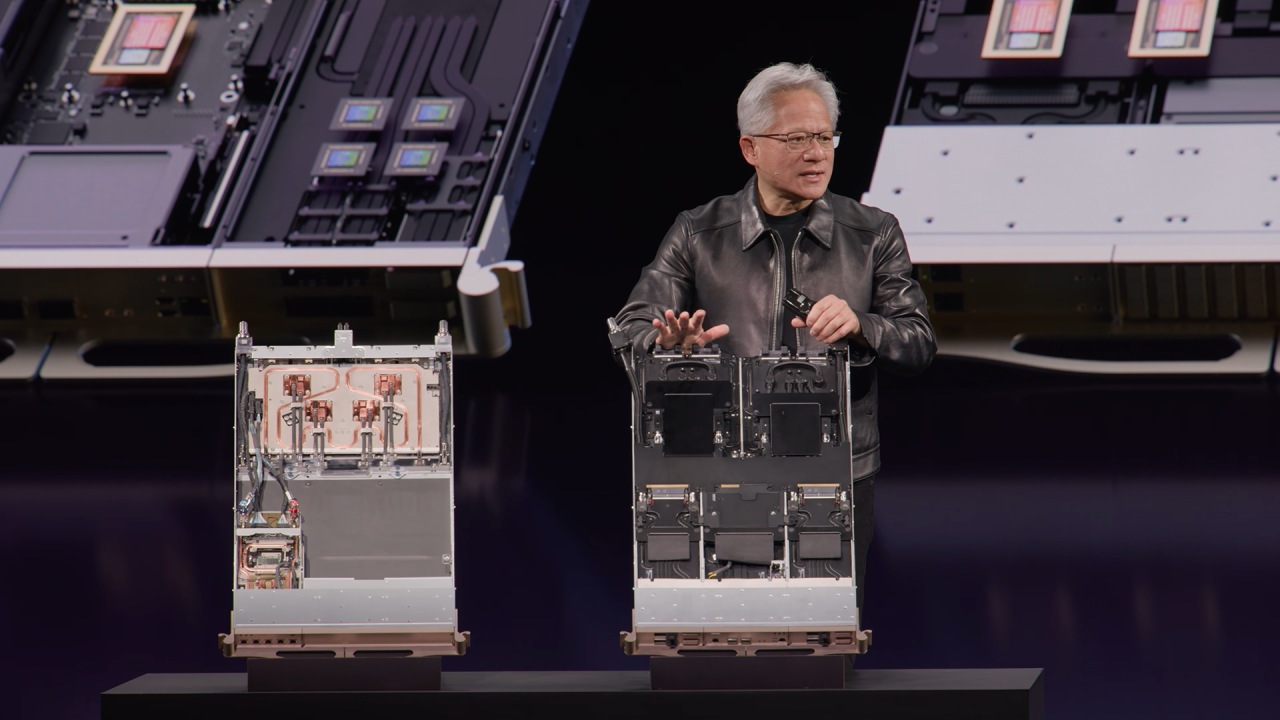
Jensen Huang Scandal Raises National Security Concerns
The dispute centers on Huang's alleged connections to Alice Huang, a former executive at Megaspeed, a Singapore-based cloud provider. According to US intelligence, Alice Huang is allegedly connected to Chinese intelligence, but the claims have not been independently verified.
Reports have also raised questions about another suspected workplace relationship involving Huang, further putting his leadership under scrutiny. The allegations, however, are not proven findings of corporate wrongdoing.
The controversy has drawn particular attention because of Megaspeed's connections to overseas NVIDIA computer infrastructure. U.S. authorities are probing concerns about access to high-end GPUs and possible breaches of export controls.
This presents an unpleasant situation for NVIDIA. As a central supplier of AI infrastructure, its position means that even allegations involving overseas business relationships can quickly become national security concerns.
Chinese AI developers are immediately concerned about losing access to computing power they cannot easily replace.
Smaller AI labs and Chinese cloud providers are also reportedly looking at long-term GPU rentals overseas, notably through data centers in Southeast Asia. This is now strategically essential for the region as enterprises can lease computing capacity housed outside mainland China without directly importing banned accelerators.
Some estimates put the total at about 1.05 million H100-equivalent GPUs accessible to Chinese clients through remote computing arrangements abroad, with about 75% in Southeast Asia. These numbers reflect anticipated accessible capacity, not a confirmed inventory under the exclusive control of Chinese firms.
Meanwhile, gray-market intermediaries inside China are reportedly stockpiling physical NVIDIA accelerators as buyers anticipate stricter enforcement.
The result is another layer of pressure on an already complicated AI hardware market. If access becomes restricted, existing overseas capacity could become significantly more valuable, potentially increasing leasing costs and making advanced computing harder to secure.
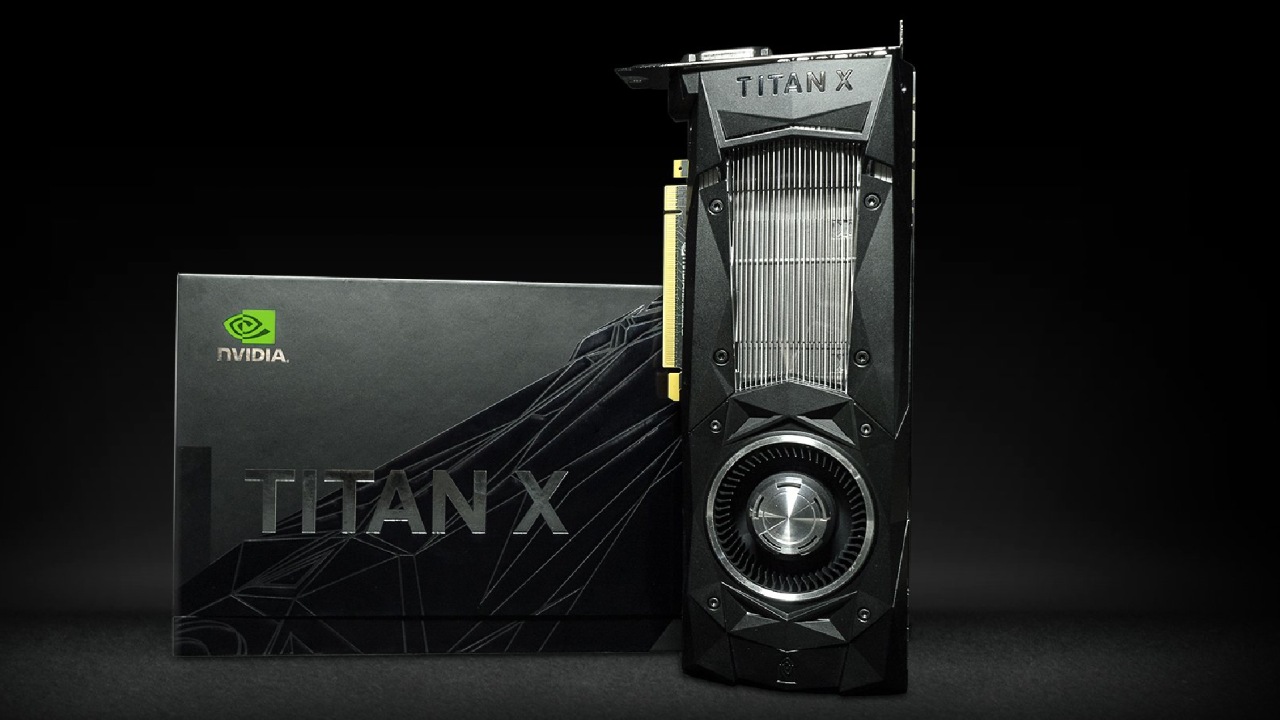
Washington already restricts direct exports of advanced NVIDIA accelerators, including Hopper and Blackwell products, to China.
However, remote cloud rentals have created an alternative route. Instead of purchasing restricted hardware, Chinese developers can rent computing resources hosted in foreign data centers and access them remotely. This arrangement separates the GPU's physical location from the customer's location.
The proposed Remote Access Security Act (RASA) aims to address this problem precisely. The legislation passed the US House on January 12, 2026, with a 369–22 vote and awaits Senate action. If enacted, it would give American authorities additional power to regulate remote access to restricted computing technologies, potentially forcing overseas providers to block prohibited customers.
That could make an estimated 1.05 million H100-comparable GPU resources unavailable to Chinese AI developers. But the real impact would depend on final legislation and how it is implemented.
Can Chinese AI Chips Fill the Void?
China's homegrown semiconductor industry is working to build alternatives through companies like Huawei, but replacing Nvidia takes more than matching accelerator specs.
NVIDIA still has advantages in CUDA compatibility, software ecosystems, networking, memory bandwidth, and existing data center infrastructure. Domestic substitutes might slowly reduce dependence, but even in the short term, replacing large-scale NVIDIA deployments would be difficult.
For NVIDIA, tougher curbs might block off possible Chinese demand and raise compliance hurdles for its foreign cloud partners. International consumers could take up some capacity, but geopolitical uncertainty remains high.
Fundamentally, this shows that AI silicon dominance is as much a matter of Washington's export policy as it is of semiconductor architecture. If the cloud loophole closes and gray-market supply becomes harder to obtain, China's frontier AI development could face a substantial setback. The global AI race is no longer just about who builds the fastest GPU; it is increasingly about who is legally allowed to use it.
Senior Editor, NoobFeed
Related News
No Data.