
Console Sales Forecast Declines as Industry Faces Rising Costs
Analysts predict a sharp decline in console shipments while layoffs, hardware costs, and studio shakeups raise fresh concerns about the future of gaming.
Opinion by Wasbir Sadat on Jul 15, 2026
The global gaming sector could be facing one of the hardest periods in years, according to a new estimate from S&P Global Market Intelligence. Analysts estimate global console shipments will fall 19.5% in 2026, a sign of an industry constrained by rising hardware costs, aging console platforms, and a relatively small slate of blockbuster software releases.
The analysis predicts that console shipments will decline from 42.1 million units in 2025 to 33.9 million in 2026. The Nintendo Switch 2 will likely continue to dominate the market. Still, the industry as a whole should see demand slow as customers become more hesitant to invest in increasingly pricey gaming devices.
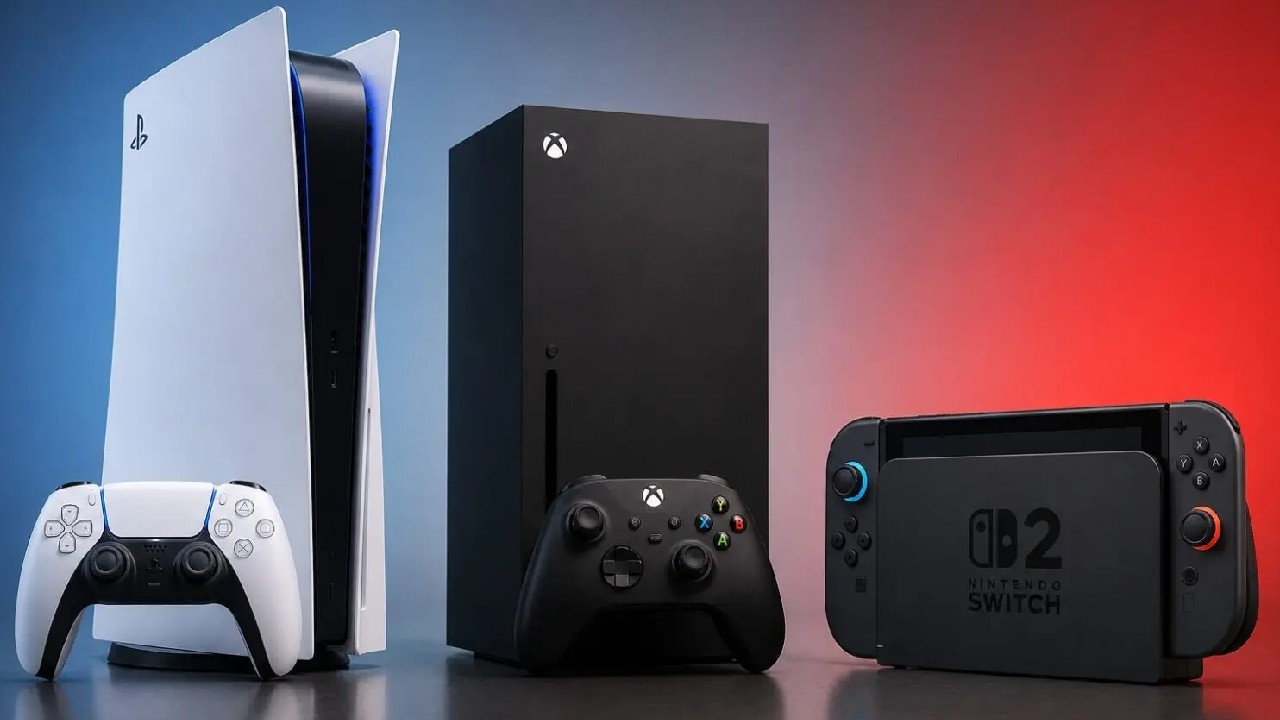
One of the main worries surrounding the market is the increasing cost of manufacturing.
The AI infrastructure is expanding at a breakneck pace, and industry analysts say this is creating a surge in demand for essential semiconductor components, pushing prices upward across the tech sector. This might mean future gaming PCs and consoles could be far more expensive than they have been.
Analysts say that if hardware costs continue to rise towards the $1,000 level, consoles will slowly become a premium luxury product rather than a general entertainment device. Such pricing could make it harder for manufacturers to achieve the broad acceptance that systems like the PlayStation 5, Xbox Series X|S, and the original Nintendo Switch have seen.
Cloud gaming and streaming services are often touted as potential long-term alternatives, but many predict that consoles will remain unaffordable until manufacturing costs stabilize over the next few years. The report also paints a troubling picture for Microsoft’s gaming hardware division. Microsoft’s next-gen console platform, Project Helix, is expected to sell roughly 2 million units in its launch year and expand to nearly 7.3 million units by 2030, according to analysts.
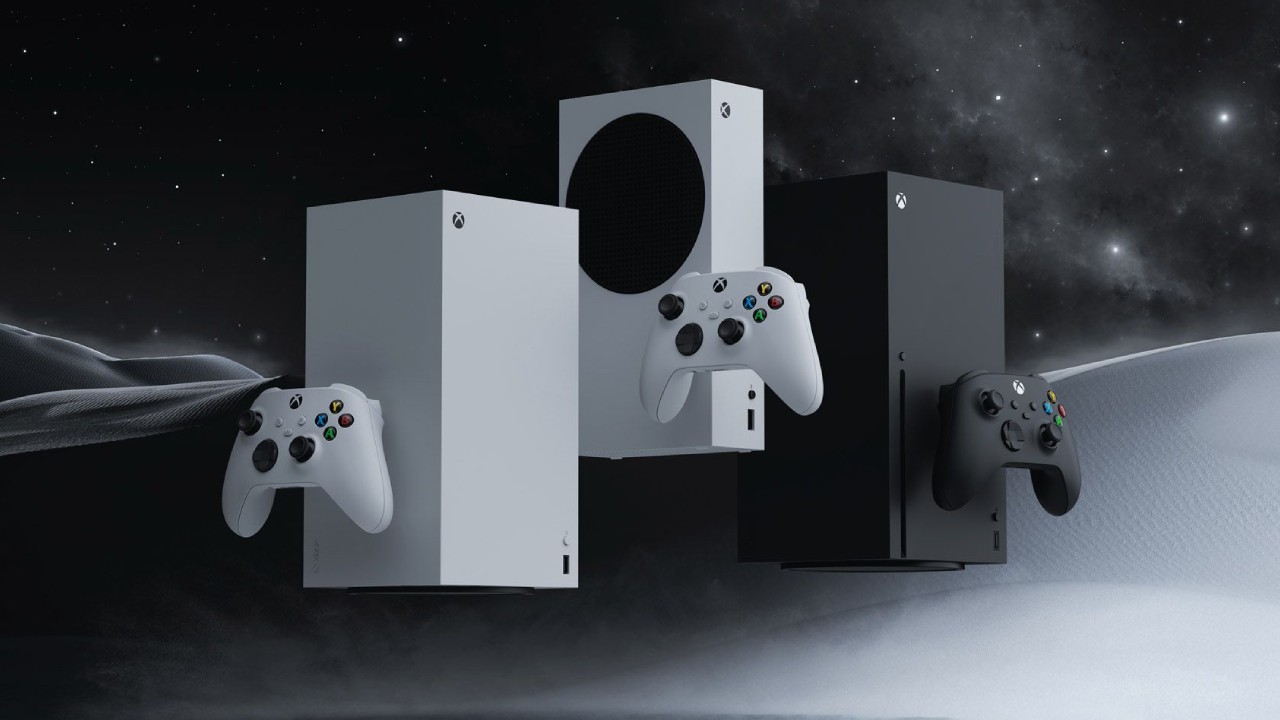
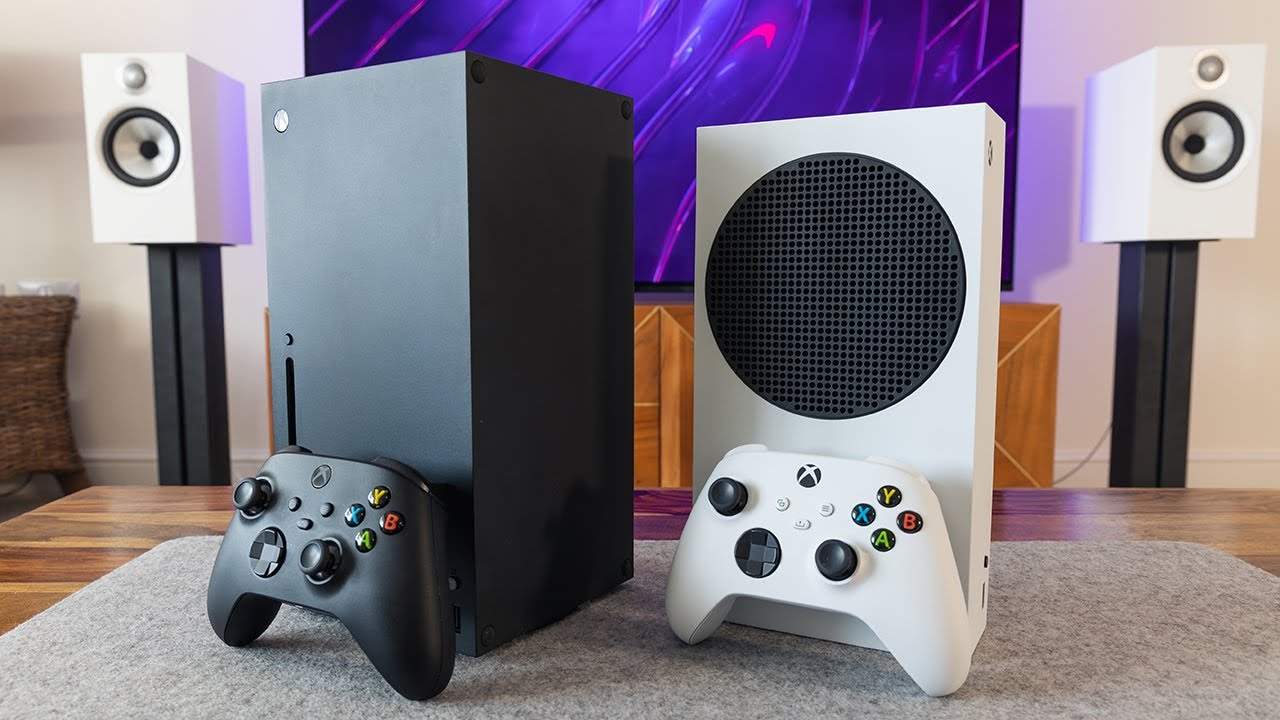
Meanwhile, shipments of Xbox Series X|S are still plummeting. The report said Microsoft shipped roughly 3.2 million Xbox consoles last year, the lowest annual shipment total on record for the platform. The first quarter of 2026 also saw quarterly shipments slip below 500,000 units for the first time since S&P Global began tracking the numbers.
XBOX Series X|S shipments are expected to be merely 2.5 million units for the full calendar year of 2026, before dropping off rapidly as Microsoft builds its next hardware generation.
Nintendo is the most positive node in the prediction. The Nintendo Switch 2 is expected to lead in 2026, with shipments estimated at 17.1 million units. Meanwhile, PlayStation 5 shipments are forecast to fall to 13.2 million units. If component prices improve and manufacturing costs fall, the larger console industry could begin to rebound by 2028, analysts say. Beyond hardware problems, the game business continues to struggle with huge layoffs hitting developers at numerous publishers.
The latest studio to announce job losses is Ubisoft Barcelona, despite the successful launch of Assassin's Creed Black Flag Resynced. Reports say 51 personnel are being made redundant, including some who worked on the game’s visually striking undersea adventure. The timing has been criticized, with layoffs coming soon after the title reached gamers.
Ubisoft’s dilemma follows the well-publicized restructuring at Microsoft, but is by no means unique. Industry analysts say layoffs have become more widespread as companies struggle to hit quarterly financial targets and cut operating expenses. Splitgate developer 1047 Games has also had a rough go of it, since major investment hasn’t translated into long-term momentum for Splitgate 2. The job picture in the industry remains uncertain, with continued labor reductions across multiple studios.
Many developers are worried that rising manufacturing costs, declining device sales, and increased financial pressure are creating a climate in which publishers are more focused on cost-cutting than on long-term investment. Obsidian Entertainment is at the heart of the industry conversation after recent layoffs.
Studio director Brandon Adler slammed online commentators for propagating misconceptions about the developer’s past and present workforce.
In a touching message, Adler expressed the emotional difficulty of saying goodbye to brilliant creators and encouraged other studios to consider hiring former Obsidian staff. He also disputed the claims that the talent behind Obsidian’s most praised games had been lost. Adler notes that many of the same creative leads behind products like The Outer Worlds, Pillars of Eternity, Fallout: New Vegas, and even Star Wars: Knights of the Old Republic II are still at the studio today.
The statements run counter to a popular online notion that professional devs have largely abandoned long-running studios. Instead, Adler points out, Obsidian still retains most of the leadership that helped build the company's reputation over the last two decades. Despite recent job cuts, fans remain optimistic about the studio's future, and reports suggest it could once again be part of the Fallout franchise.
Microsoft also gave a fresh technical update on Gears of War: E-Day in a new Xbox Wire developer blog. The Coalition stated that the next project is being developed on DirectX 12 and will support a range of Nvidia technologies on PC, including DLSS 4.5, Dynamic Multi Frame Generation, Super Resolution, and Nvidia Reflex. "Our goal from the studio has been to deliver the most technically ambitious and visually immersive Gears of War game to date, while delivering a high-performance experience on both console and PC.”
The announcement was mostly focused on the engineering side, but it will ultimately be up to fans to decide whether those features actually make the game better once it's out. The recent industry update also provided insight into the future of Compulsion Games after their return to being an independent studio.
The firm said it is seeking partnerships in the gaming and entertainment industries and invites developers and publishers to join the award-winning team behind South of Midnight. Compulsion underscored its experience in developing original intellectual assets, citing the critical success of its prior games, which have won several industry accolades and appeared on many Game of the Year lists.
Without Microsoft’s financial backing, partnerships will undoubtedly play a significant role in funding the studio's future projects. Compulsion is one of the few former Xbox-owned teams, like Double Fine, currently plotting independent futures. Amid rising costs, sluggish hardware sales, and ongoing reorganization in the gaming industry, the success of these independent studios may be one of the defining stories of the next console generation.
Contributor, NoobFeed
Latest Articles
No Data.