
Skyrocketing PlayStation and XBOX Hardware Costs Shock the Gaming Industry
Sony faces backlash over library deletions while future console price projections soar.
News by Elme Dhee on Jul 01, 2026
Sony has triggered an intense wave of public scrutiny following a major update to its online library policy. The company is moving forward with plans to delete over 500 purchased titles from users' digital collections. This sweeping content removal highlights a recurring structural flaw within modern digital storefronts and long-term media preservation models.
Consumers who paid full price for their content in the past will still see it completely vanish from their active libraries. The mass deletion is officially scheduled to take effect on September 1, 2026, due to an expiring licensing agreement. The ruling highlights that ownership in the digital world is defined by ephemeral corporate contracts, not by consumer permanence.
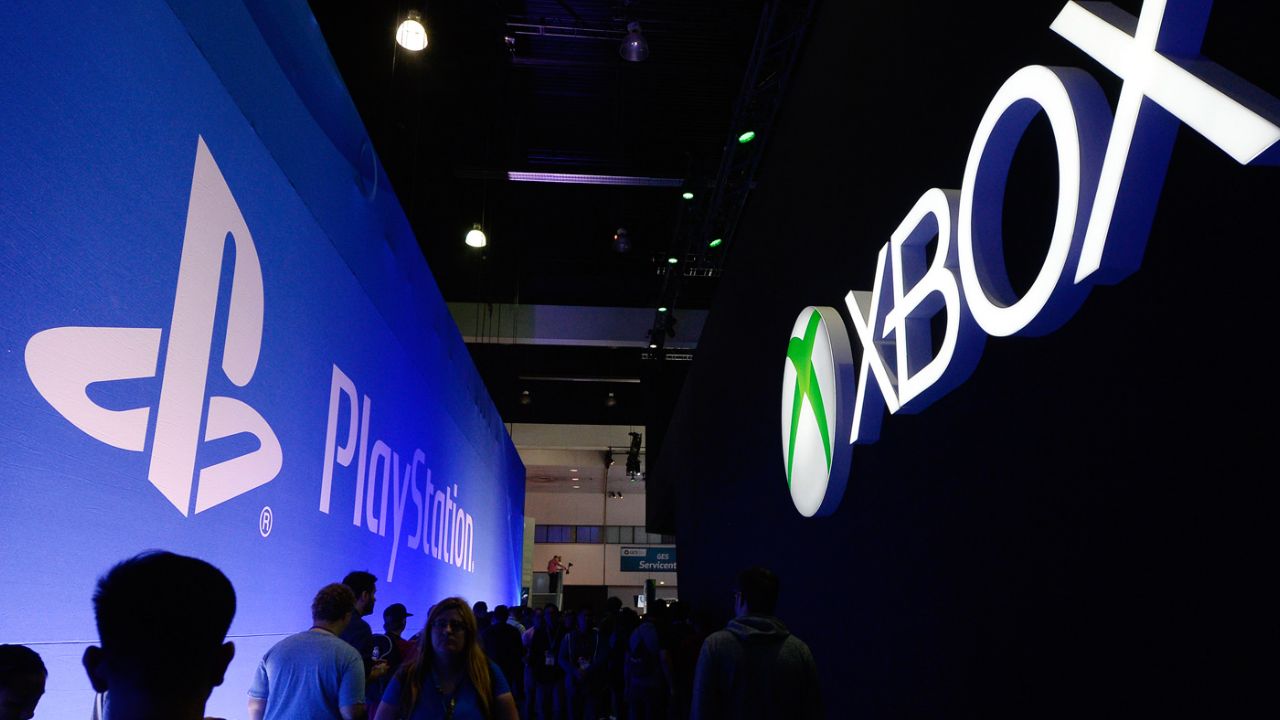
Licensing expirations continue to threaten long-term software preservation.
The upcoming digital purge stems directly from a distribution rights dispute between Sony and an external entertainment studio. This scenario directly echoes past marketplace disputes in which popular network television shows were abruptly removed from active user accounts. While some corporate agreements are eventually renegotiated at the last minute, the underlying systemic vulnerability remains completely unchanged.
Relying entirely on cloud-based storefronts places all responsibility for media access directly in the hands of platform holders. The ongoing situation forces a broader industry conversation about the absolute reliability of digital media compared to traditional physical formats. Physical media alternatives allow consumers to retain complete and total control over their personal libraries for decades without corporate intervention.
Component costs are rising, making next-gen hardware out of reach for the average gamer. Meanwhile, the cost of entry into the next generation of home console hardware is also expected to rise dramatically. Early manufacturing data from industry sources has shown that the bill of materials for the upcoming PS6 has reached an unprecedented premium level.
Production expenses for internal computing components are rising rapidly, indicating the traditional model of launch subsidization is changing. Sony executives have openly stated that they do not intend to sell their next-generation hardware at a significant loss.
This structural shift in corporate strategy means that higher manufacturing costs will be passed directly to consumers. The days of buying affordable launch hardware appear to be coming to an end due to the realities of the component market, making the PS6 a highly premium investment.
Impending corporate downsizing threatens multiple major game development studios.
The financial pressure across the industry is not limited to hardware production, as major restructuring hits competitor ecosystems. Rumors indicate that XBOX is currently preparing for an unprecedented wave of cost-cutting measures within its internal development network. Corporate decision-makers are reportedly weighing the closure of at least 5 game development studios worldwide.

High-profile projects are being considered for cancellation or spin-offs as parent companies rush to dump massive operational weight. Several prominent development teams are reportedly being shopped to external buyers to avoid outright closures. These upcoming waves of structural changes are expected to alter the landscape of first-party XBOX software offerings over the next few months.
Unsustainable development cycles force a strategic retreat to core franchises.
The sudden downsizing highlights a growing industry realization that modern blockbuster game development cycles have become completely unsustainable. Many internal studios take up to 8 years to develop a single title, and production budgets are pushing to historically dangerous levels. When these massive projects don’t turn a profit right away, the financial fallout can cripple the studio behind them.
Platform holders can no longer justify funding long development timelines for niche titles that don’t immediately turn a profit. As a result, corporate strategies are moving away from experimental software and heavily into established, no-brainer historical franchises. Both Sony and XBOX are refocusing their core resources on mass-market properties to ensure financial stability as they look to the PS6 generation.
Editor, NoobFeed
Related News
No Data.