
Cthulhu: The Cosmic Abyss Guide | Vault and Deductions
How the Vault works, how to connect evidence, and how to solve deductions faster.
Game Guide by Faviyan Mustafiz on Apr 24, 2026
Cthulhu: The Cosmic Abyss stops being a simple exploration game and becomes a real investigation in The Vault. A lot of early confusion comes from thinking of it as a passive journal. It is not a notebook that fills itself up.
It is a board for active deduction. You can put in evidence, but you can only make progress when you put the right pieces together and answer the right questions. When that happens, the game feels much more focused because you always know what the next step should be.
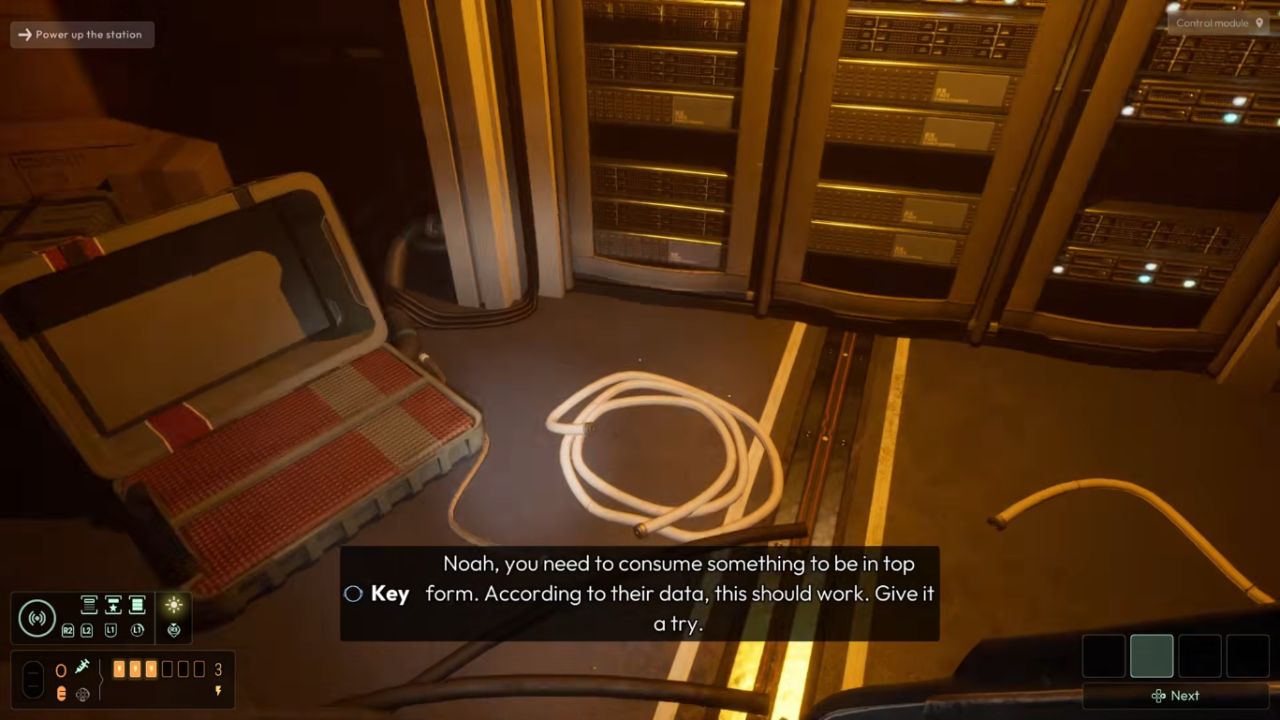
Know what the Vault is holding
The system puts your discoveries into three groups: evidence, data, and findings. That matters because not every clue works the same way. Some things show what happened in a room. Some give information about a person or place. Some are only there to open up a deduction or a frequency. The board looks messy if you put everything in the same mental bucket. If you group clues by what they mean, it will be much easier to find the next one.
Check the clue carefully before making connections
One mistake people often make is trying to solve the board before they have fully examined the object. That makes everything take longer. Before you go back to the Vault, turn the objects around, look at both sides, and see if Key can look at them more closely.
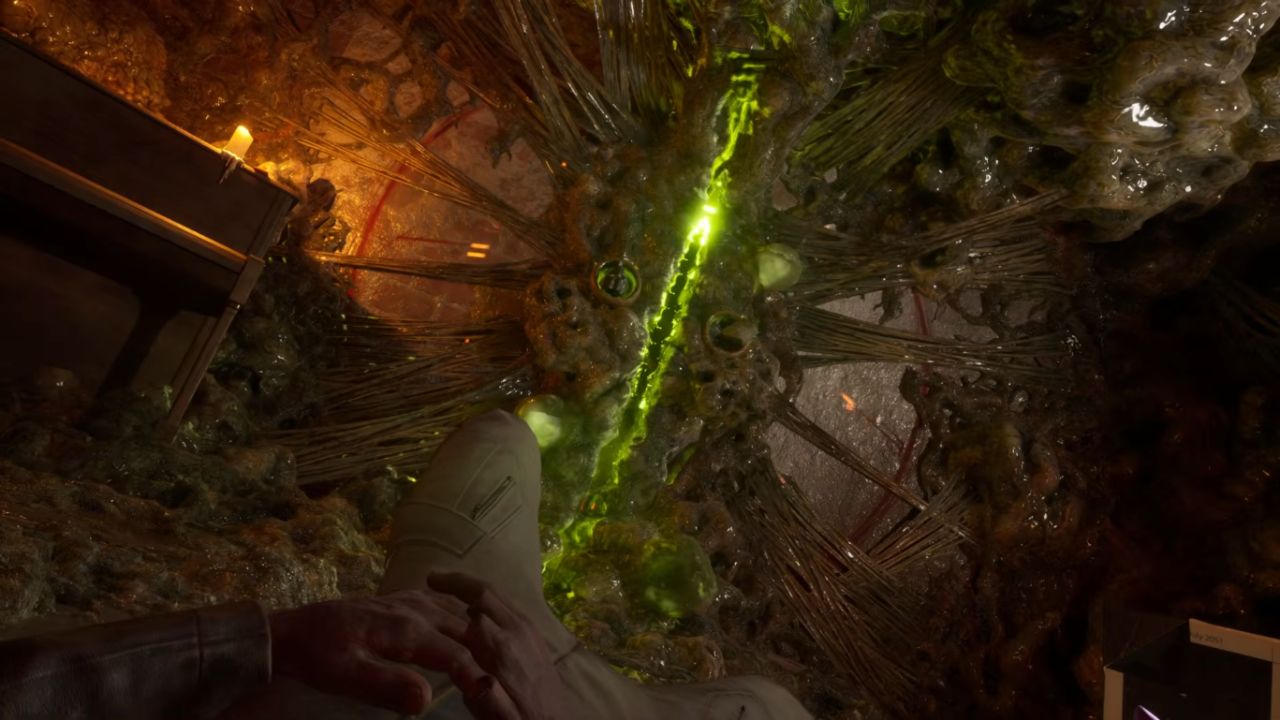
A lot of deductions don't work because you only read half of one object. The board is more honest with you once you have the whole clue. It starts to feel less like trying things out and more like a chain of events.
Use the board to figure out where to go next
The best thing about the Vault is that it doesn't help you figure out what you already know. It shows you what you still need. If two clues are close to connecting but leave one question unanswered, the missing link usually tells you what to look for next. This is why you should check the board after every important discovery, not just when you feel lost. Frequent reviews keep the investigation from becoming pointless wandering.
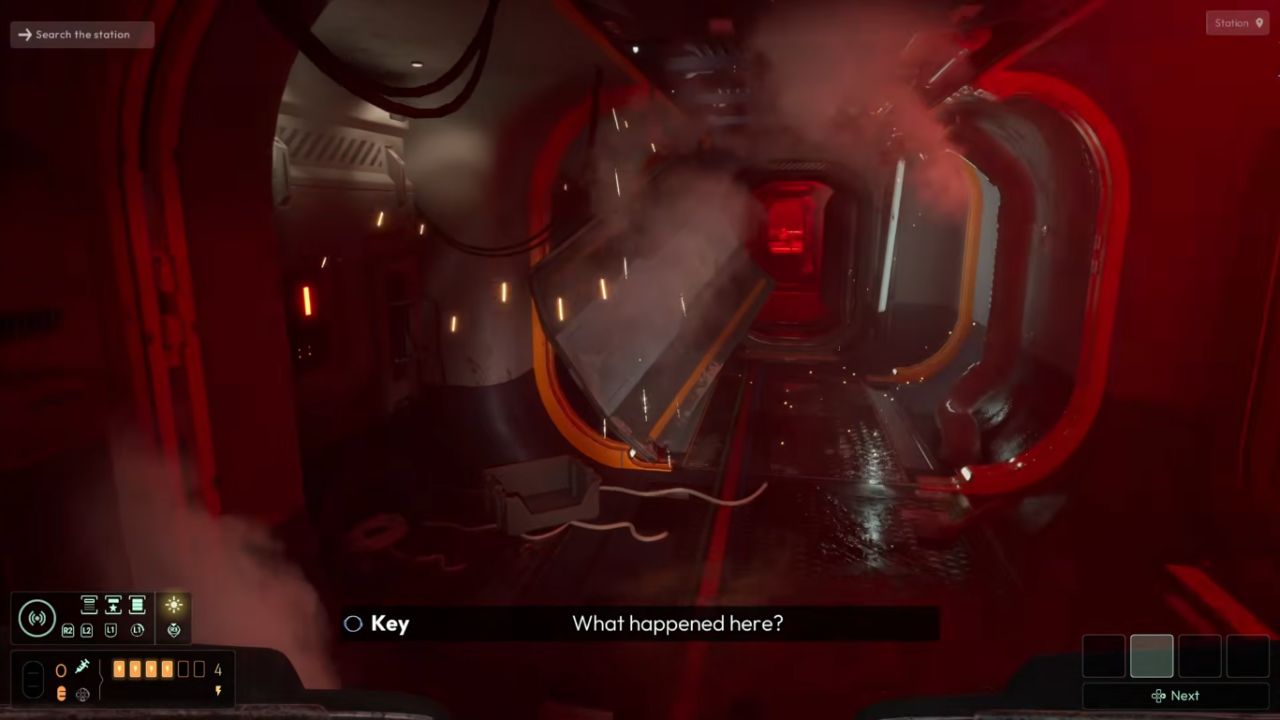
It also helps with timing. After one more Vault review, a room that seems full often becomes useful again because the board changes how you see the space. A small note, a broken device, or a strange object may suddenly be important because you now know what question it answers.
Why deductions have an effect on more than just progress
Deductions aren't just for opening doors. The game connects how you interpret things to what happens. The more carefully you connect the dots between pieces of evidence, the better you understand the case, and that understanding helps you make decisions later. The story feels reactive because of the Vault. You are not only looking for facts. You are putting together pieces of the truth to make a version of it, and that version can affect how a chapter ends.
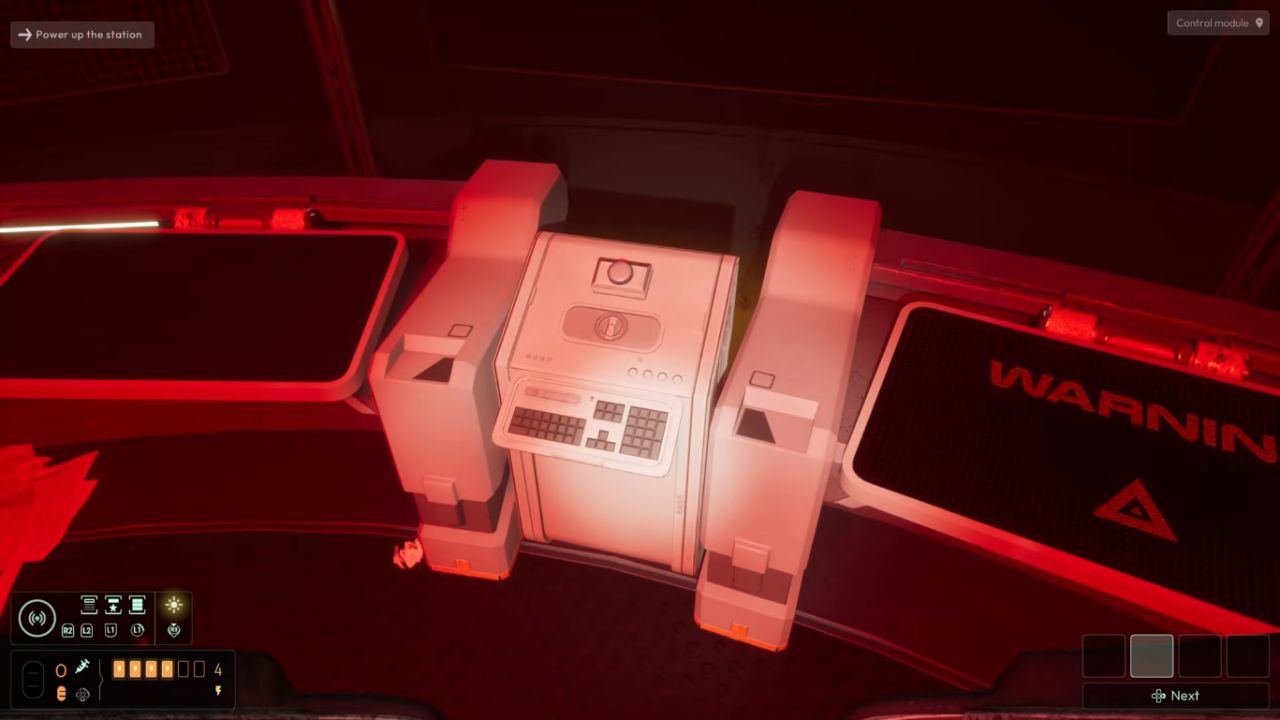
Make it easier if the board ever feels too full. Ask three things. What has been proven? What else is missing? Which clue isn't very strong yet because it hasn't been fully looked at? That little routine is all it takes to make the Vault one of the easiest systems in the game instead of one of the hardest.
Also, check our Cthulhu: The Cosmic Abyss Review and other guides below:
- Cthulhu: The Cosmic Abyss Beginner’s Guide | Gameplay Tips & Tricks
- Cthulhu: The Cosmic Abyss Guide | How Does Sonar Work
- Cthulhu: The Cosmic Abyss Guide | Corruption and Sanity
- Cthulhu: The Cosmic Abyss Guide | How to use Energy Efficiently
- Cthulhu: The Cosmic Abyss Guide | Key and Clue Analysis
- Cthulhu: The Cosmic Abyss Guide | Mei's House Portal Puzzle Solution
- Cthulhu: The Cosmic Abyss Guide | Quartz Alloy and Basalt Locations
- Cthulhu: The Cosmic Abyss Guide | Chapter 2 Maze Solution
- Cthulhu: The Cosmic Abyss Guide | Best Ending and Choices
- Cthulhu: The Cosmic Abyss Guide | Evolutions and Energy Upgrades
Contributor, NoobFeed
Latest Articles
No Data.