
How did a Game like "Dispatch" Quietly Resurrected Episodic Storytelling?
With mystery, betrayal, and fan-fueled obsession, Dispatch proves that patience, choice, and human connection can make a story unforgettable, and the finale promises to shatter expectations.
Opinion by Zahra Morshed on Nov 13, 2025
The last two shows of Dispatch are almost here, and the air is electric. As the first season comes to a close, players all over the world are watching a small company do something that seemed impossible at first: bring back episodic stories.
Few new games have been able to get the attention of the whole gaming community in such a natural way, with word of mouth and a dedicated fan group spreading the word week after week. Before it became one of the most talked-about story experiences of the year, it was just a quiet experiment. It reminds people of the best times of The Walking Dead, The Wolf Among Us, and Life Is Strange.
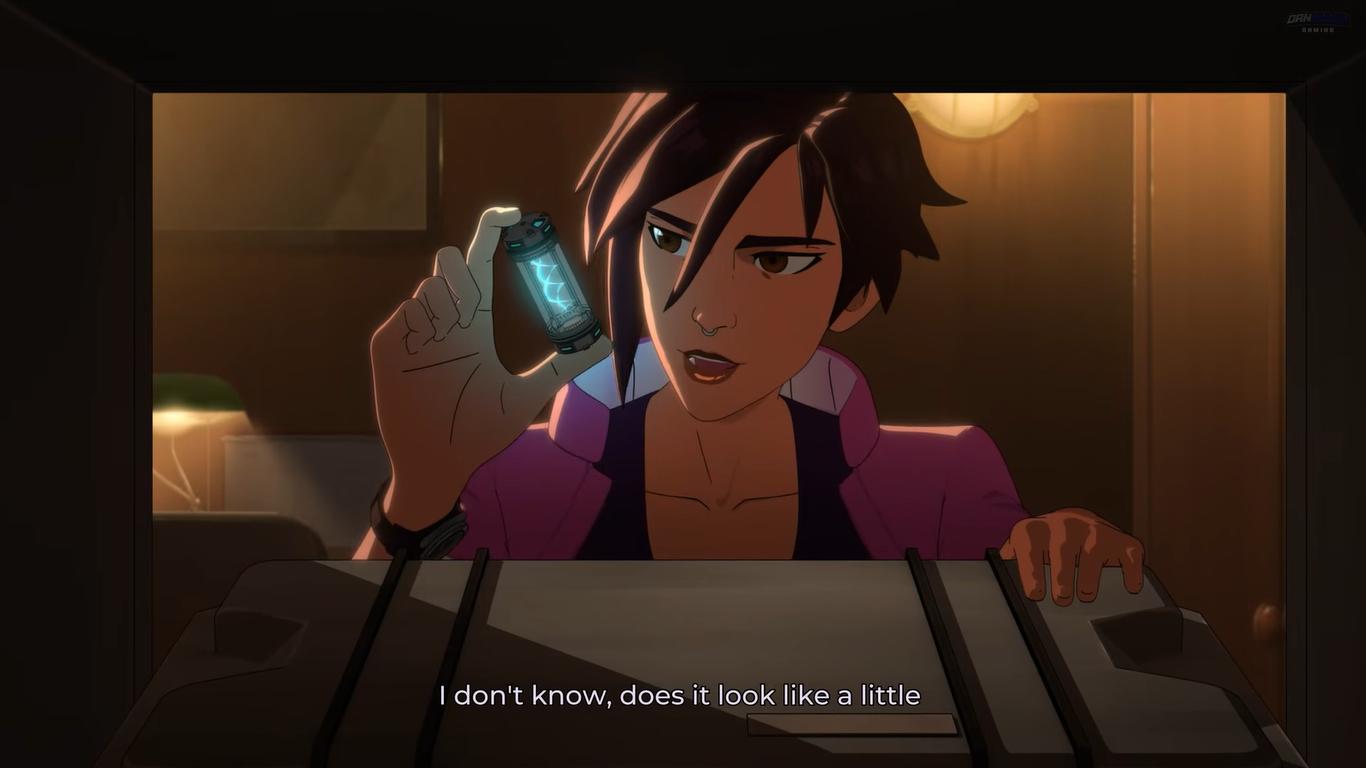
It's not just about remembering things; this new interest is about. If you tell them the right, simple stories can still work. People have had thoughts, felt something, and asked questions about every episode of Dispatch. When everything comes out at once, that spirit of working together is gone. People get more excited about online battles as new games come out.
This means that each fight gets better than the last. It looks like the company that made the game remembered something that everyone else in the business had forgotten: patience can make magic happen.
Its release over several weeks has let people all over the world experience the story together, building tension that could never be matched by a binge-watch.
The popularity of the game has also brought up old debates about the structure. In the past, episodic games were popular, but after making mistakes and losing money, many studios gave up on the concept. But Dispatch has shown that people still want to connect with each other, time to think between chapters, ideas shared on social media, and the excitement of waiting.
Remembering that rhythm is just as important as conclusion is a quiet way to keep writing stories. Big publishers may have to rethink how they offer emotional, story-driven experiences now that this model is back in style.
Characters, each one unique, flawed, and deeply human, are at the heart of the movement. Two mysterious characters, Blonde Blazer and Invisigal, have become fans and social media stars. Every day, fan art, memes, and emotional reactions flood timelines. The way they talk to each other gives Dispatch a unique feel that blends the fun of superheroes with the realness of how people feel.
Behind the powers and story twists, the show is about being open, trusting others, and the hidden costs of being responsible. These people feel real, and the choices they make have real effects. That feeling has held the whole experience together.
No one knows what will happen next as the story comes to a close. The new video shows a storm coming, which could mean a big fight that changes everything for the team. Large shadows of betrayal, redemption, and suffering hang over the scene. Fans are breaking down every frame because of the images, including a striking scene that has noir-like tones like The Wolf Among Us.
People in the community are wondering if they can trust Invisigal. Will she be forgiven, or will her past decide her fate? Will Blonde Blazer's leadership hold up when the team starts to fall apart? Every new glimpse adds to the puzzle and draws players deeper into it.
The next episodes look like they will bring everything Dispatch has worked on together into one final mission that could test every skill, connection, and belief the player has built. The way the company usually mixes story and gameplay makes sure that the emotional tension shows up in what the player does. Your decisions will have effects, and each message will have weight. Failure may feel more human than success in a story where teamwork is weak and loyalty isn't clear.
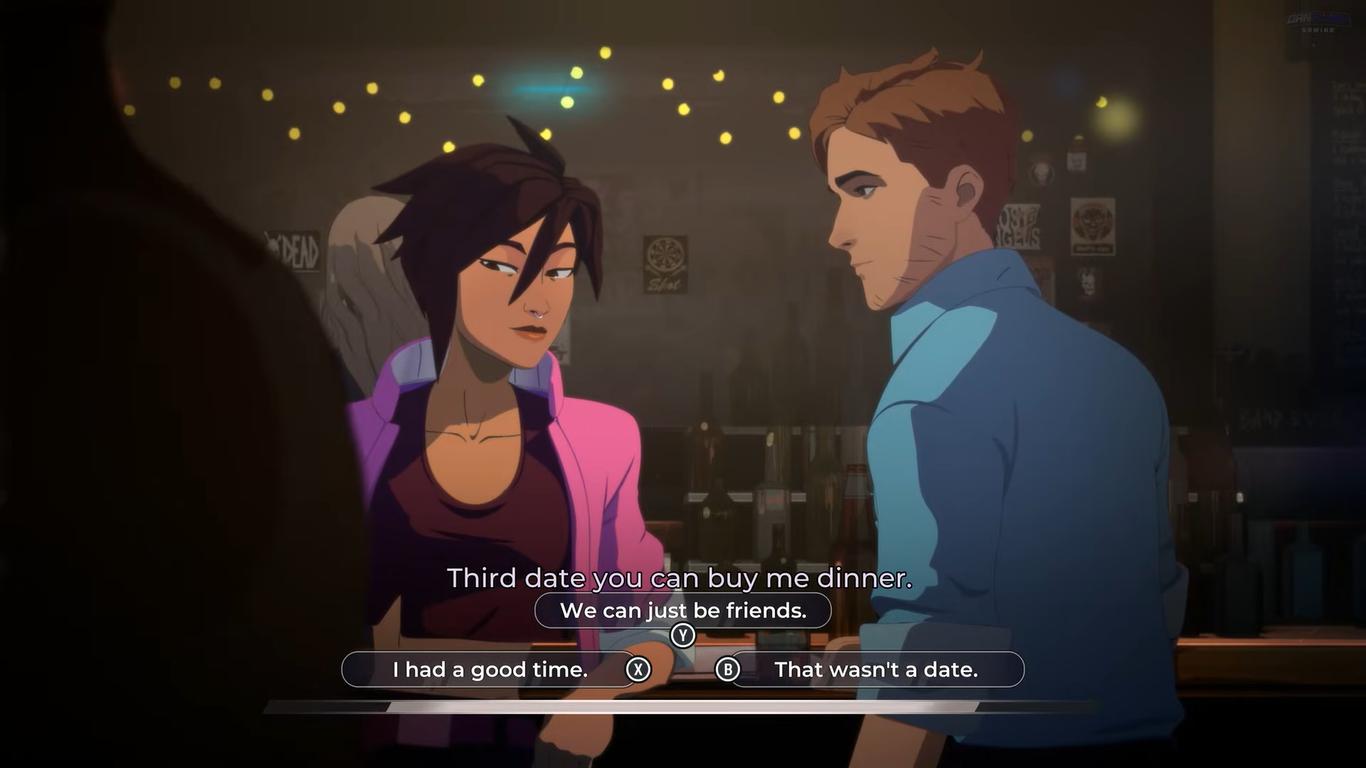
There is a quieter story about identity and purpose going on beneath the activity. Robert, the main character, has spent the season trying to figure out how to help others when he doesn't have any power. His story arc is similar to the main idea of Dispatch, which is that being a hero isn't about big actions but about sticking with something even when things go wrong and being ready to help. No matter how his trip ends, with victory or quiet acceptance, it has already shown players that small decisions can have big effects.
One question will stay with you after the credits roll: what's next? Some hints have been dropped that this is only the beginning, but it's still not clear what the second season will be like. Dispatch has shown that big shows aren't always the best place to find new ideas. It can be whispered, like new books coming out every week, ideas that people have late at night, or the heartbeat of a group of people waiting for the next call. As the last shows get closer, one thing is becoming clear: Dispatch hasn't just brought back episodic storytelling. It's changed what it means to share a story together.
Contributor, NoobFeed
Latest Articles
No Data.