
Fairgame$ Becomes Another Casualty of Sony's Live Service Push
Fairgame$ is the latest casualty of Sony's troubled multiplayer strategy, deepening fan frustration over missing exclusives.
Opinion by Elme Dhee on Nov 13, 2026
Sony's PlayStation 5 has reached 100 million units sold, a huge commercial success for the company. The console's performance is, in theory, indicative of a successful generation. But the story is not solely about hardware sales. For many longtime PlayStation fans, this generation has been a disappointment, especially when it comes to the games that define the platform.
The complaint isn't even necessarily about the PS5 itself, but Sony's decisions and actions throughout this generation. PlayStation built its reputation on unforgettable exclusive experiences, but many fans believe the company hasn't matched that consistency in recent years. More scrapped projects and longer development cycles have fueled speculation that Sony has lost touch with what its audience cares about.
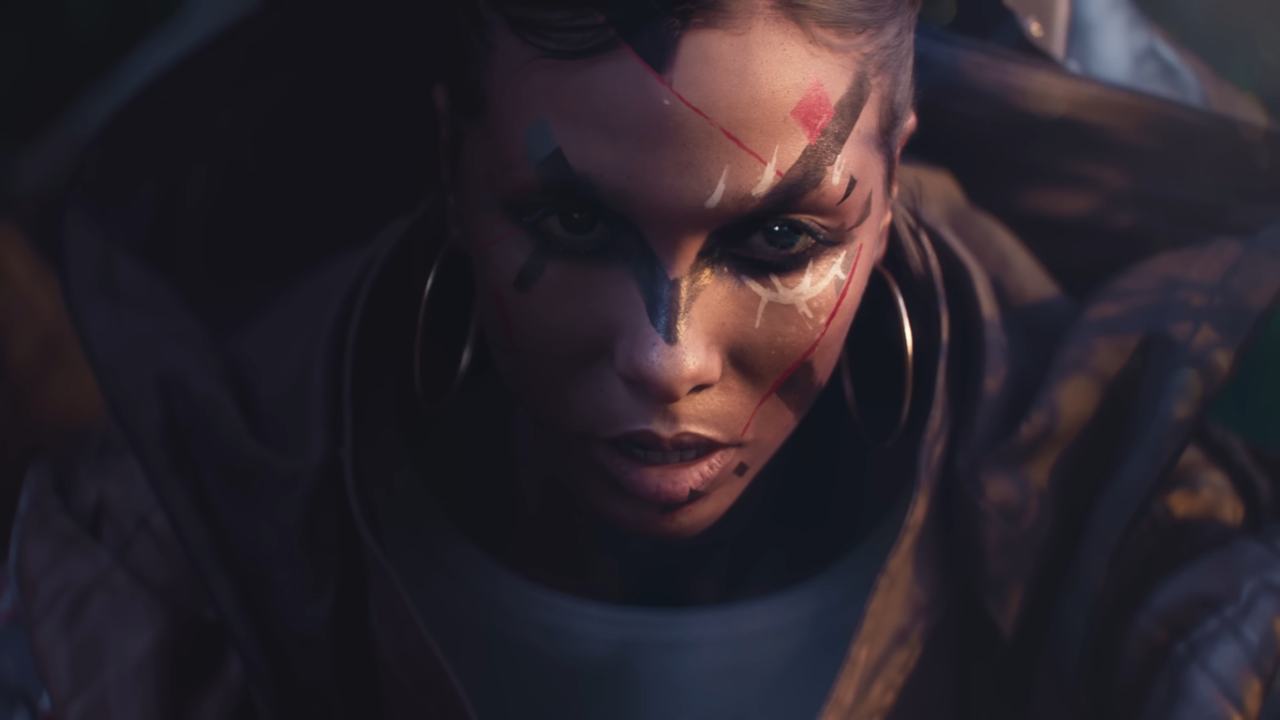
How the PlayStation 3 Forged a Lasting Identity
To understand the disappointment surrounding the PS5, it's worth looking back at the PlayStation 3. It's still Sony's least-selling home console, but its final years helped define the identity that would define the brand for years to come. The PlayStation's reputation was built on unique first-party experiences such as Uncharted, The Last of Us, Infamous, Killzone, Resistance, Ratchet and Clank, and Demon's Souls.
That approach was continued with the PlayStation 4 generation, building on the groundwork laid during the PS3 era. Sony's studios built their reputation on ambitious single-player games, giving consumers a reason to buy PlayStation hardware. To many fans, these releases were not just additional entertainment, but a core part of the platform's identity. The fear is that Sony has slowly drifted away from that successful course.
Long Development Cycles Create Major Gaps
One of the biggest frustrations with the PS5 generation is how long it takes to get new first-party games. Production at Sony's studios has been taking longer and longer, keeping players waiting for major releases. Naughty Dog is a particularly noteworthy example, with concerns that the studio may not deliver a whole new game during the current console generation.
There's nothing wrong with long development cycles, especially when studios are trying to make something ambitious. But they are harder to justify when major releases are already few and far between. Gamers who bought a PS5 expecting a steady diet of exclusive adventures may feel Sony's console hasn't delivered enough. This has helped create the perception that Sony's first-party output is weaker than in previous generations.
Sony's Change to Live Service Games
The bigger problem, however, is Sony's choice to prioritize live-service games. Around 2022 and 2023, the company started investing heavily in multiplayer projects, apparently spending a significant part of its development budget on this strategy. Critics questioned whether this was the right move for PlayStation's existing studios, many of which built their reputations on narrative-led singleplayer adventures.
The decision was also questionable considering Sony's track record with multiplayer projects. The company has struggled to find and create successful alternatives to big multiplayer franchises, even during the PlayStation 3 era. Yet Sony still went after the live service market despite these challenges. More than a dozen projects have been canceled since the strategy was introduced, raising serious questions about the quality of the company's investment appraisal.
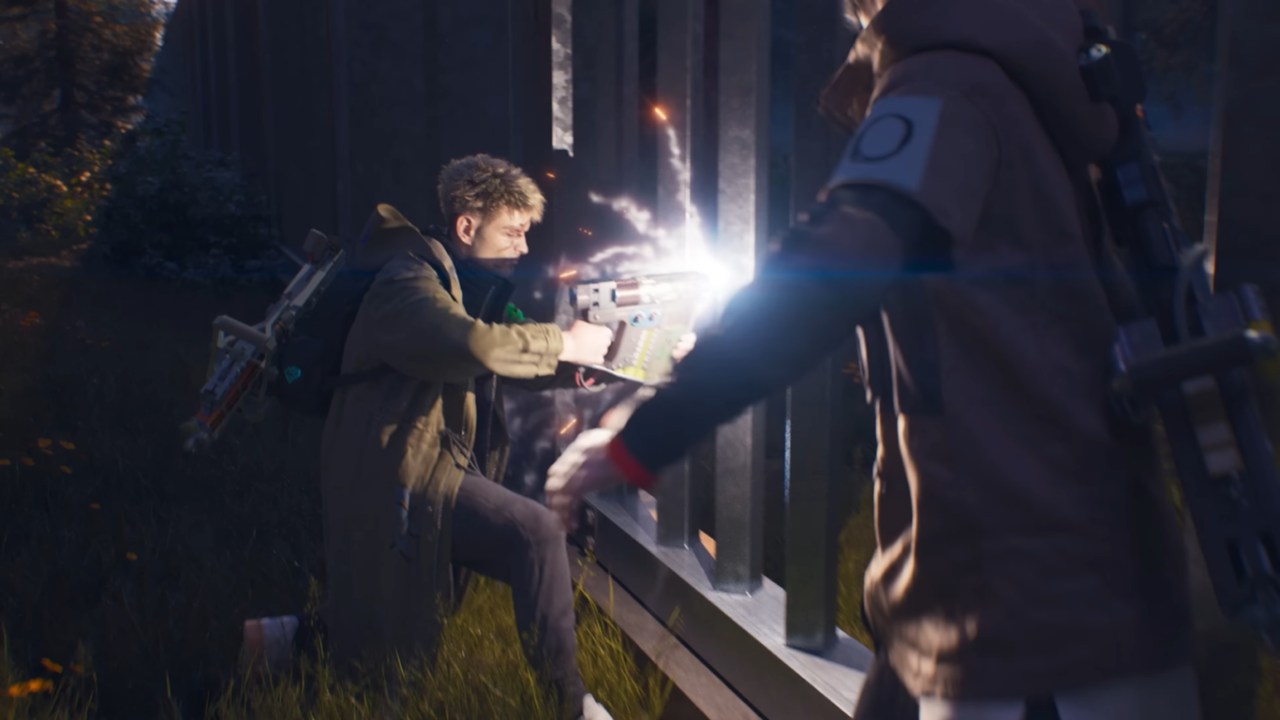
Fairgame$ Another Project Canceled
Fairgame$'s cancellation, which we predicted back in 2025, is another setback for Sony's live service aspirations. Haven, a studio Sony acquired, developed the project, and it went through years of development before Sony ultimately shelved it. Upon release, it was reportedly poorly received, with player feedback indicating concern over the game's direction. So the cancellation was not a complete surprise to those who had tracked the project's development.
Jade Raymond's departure from Haven also highlighted the situation. Reports suggested the project's reception had been especially disappointing, and her departure became another major development in the troubled production. Sony, however, continued working on Fairgame$ for a while before finally canceling it. That's another investment that never made it to a full release, and it's especially concerning for players already worried about the company's multiplayer strategy.
Haven Lives On, Although It Was Canceled
Fairgame$ has been canceled, but Haven is supposed to be safe, so we have some hope for the studio's immediate future. One possibility being floated is that its developers could be reassigned to assist Bungie. Marathon and Destiny are currently attached to the studio, which could mean Haven's current staff can support further development.
But the long-term arrangement is unclear. There's also speculation that Haven may be integrated into Bungie's larger organization at some point. If that happens, the studio could lose some of its original independence and be run differently than it was originally set up. For now, Sony has not given any definitive direction for Haven following the cancellation of Fairgame$, and its future role remains undefined.
PlayStation Fans Want More Singleplayer Games
Sony's live service ambitions aren't necessarily a problem, because multiplayer games don't belong on PlayStation. The criticism is that the company seems to have put too many eggs in this trend basket at the expense of its existing strengths. There is nothing wrong with allocating resources to online experiences, but when they become the dominant priority, the audience that helped build the platform risks being ignored.
PlayStation became a major first-party brand on the back of its single-player catalog, and that's what many long-time fans still expect. They want big adventures from the studios they have supported for years, not the same old story of multiplayer projects that end up disappearing. So Sony's focus on live-service development has created a gap between the company's ambitions and what its traditional audience wants.

Sony Needs to Win Over Its Fans
Even if PS5's 100 million sales are an impressive feat, that doesn't automatically mean Sony has delivered a satisfying generation for its customers. The competition has also been relatively kind, with Xbox not putting as much pressure on them as Sony faced in some previous console generations. This makes the company's own output a particularly important measure of its performance.
Ultimately, the growing frustration with PlayStation comes down to a perceived lack of direction. With long development cycles, frequent live-service cancellations, and fewer big exclusives, some longtime fans have lost confidence. Sony doesn't have to ditch multiplayer projects entirely, but it has to find a better balance between new ambitions and the singleplayer experiences that built PlayStation's success. The company's next moves will be critical to rebuilding that connection.
Editor, NoobFeed
Latest Articles
No Data.