
From Fallout to Fan Favorite: Fallout 76 Went From a Broken Launch to a Living Wasteland
Fallout 76 is Bethesda's most active Fallout game right now because of years of updates, bold design improvements, and a timely crossover with a TV show.
Games by M. Hasan on Feb 03, 2026
Country roads were never supposed to get here. When it originally came out, Fallout 76 felt more like a warning story than a homecoming. Due to problems, missing features, and strange design choices, one of the most popular video game series quickly became a joke in the industry. Now, many years later, the same game is the only Fallout game that gets additional story content, map expansions, and experimental gameplay changes.
People who knew about the game's development history said that Fallout 76 was almost destined to die early. When Bethesda announced an online multiplayer version of Fallout based on the Creation Engine, many were quite excited. Fans imagined a blend of Fallout's openness, cooperative exploration, and shared storyline with multiplayer chaos. Instead, the beta phase showed that there were serious technical problems, performance issues, and design flaws that had never been fully fixed before the launch.
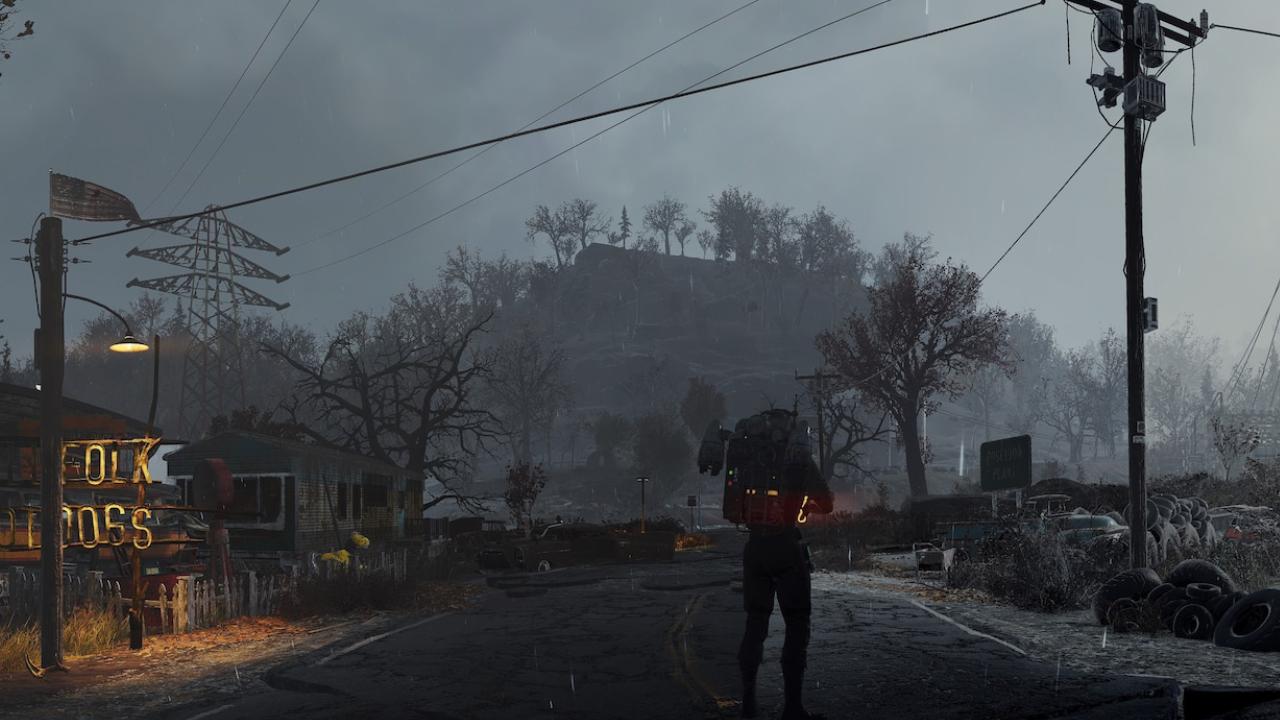
Those fears came true when the complete release came out. There were a lot of bugs and stability issues with the game when it first came out. It was even more stunning that there were no human NPCs, which are a big element of Fallout's charm. People wanted the world to have more personality and moral depth, yet quests were given out through terminals and holotapes. People were much less likely to trust the game because of problems with its quality and scandals concerning collector's editions.
Many people thought Fallout 76 was over at that point.
Most people thought that Bethesda would quietly move on, cut its losses, and focus on making traditional single-player games again. But according to people who know the story, that moment marked the start of Fallout 76's plot, not the end.
Bethesda said they would fix the game piece by piece behind the scenes. Even though they tried, early patches like Wild Appalachia and Nuclear Winter didn't fix the core problems. In 2020, the introduction of Wastelanders, a free add-on that changed the game in a big way, was the real turning point.
Wastelanders included quests that allow you make choices, factions, full dialogue trees, and human NPCs. For the first time, Appalachia seemed real. The Settlers and the Raiders were two important groups that gave players real choices with long-lasting effects. Reputation systems, new items, and quests that were based on the game's plot finally made Fallout 76 feel like the game it was meant to be. Reports say that a lot of people think Wastelanders is the real start of the game.
The answer came quickly. When Fallout 76 came on Steam with the expansion, tens of thousands of people played it at the same time, which was the most people the game had seen since it came out. More importantly, people's views shifted. Anger turned into cautious hope, and Bethesda got something back that it had lost: time.
From that point on, things started to pick up.
Level scaling lets players of various ability levels explore the whole area simultaneously, while seasonal progression systems encourage users to keep playing. The wasteland became a friendlier, more open, and more adaptive place. Fallout 76 wasn't fighting its own systems anymore.
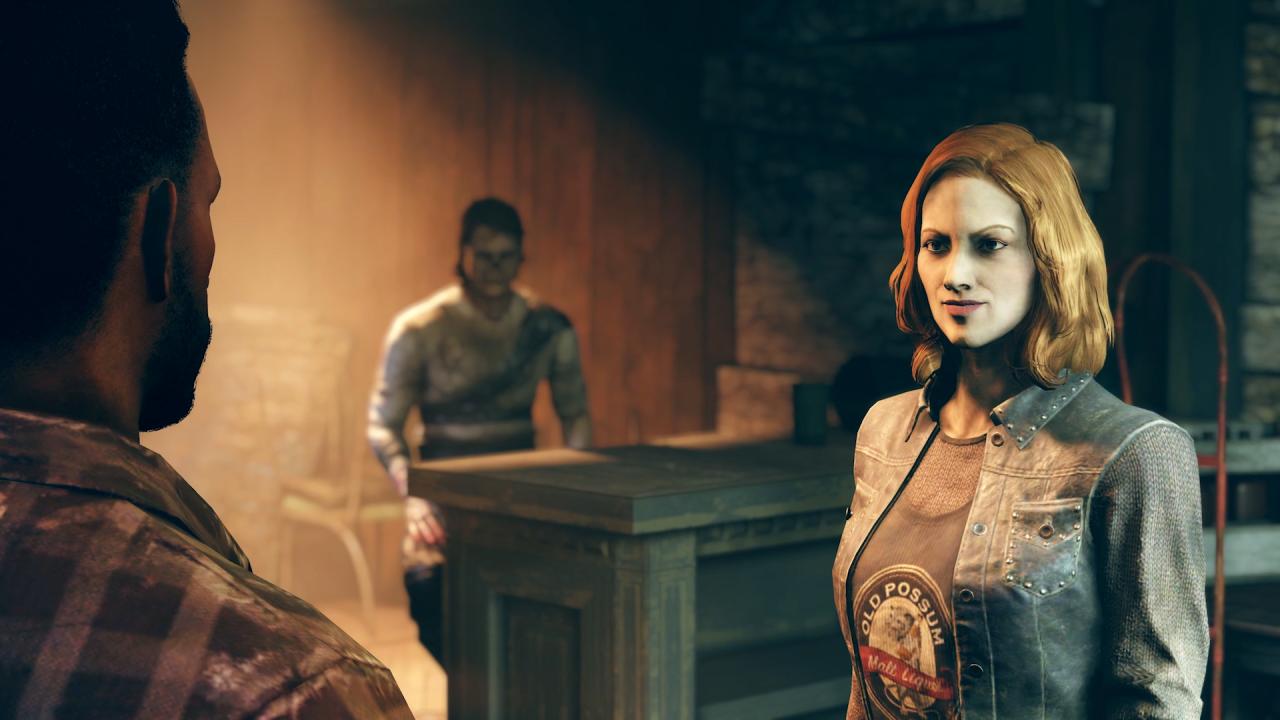
The Brotherhood of Steel's return in late 2020 added another layer of nostalgia and story complexity. One of Fallout's most famous groups came to Appalachia with new questlines, NPCs, and destinations. These changes were not without their critics, but they showed that Bethesda was committed to developing stories over the long term instead of just fixing problems quickly.
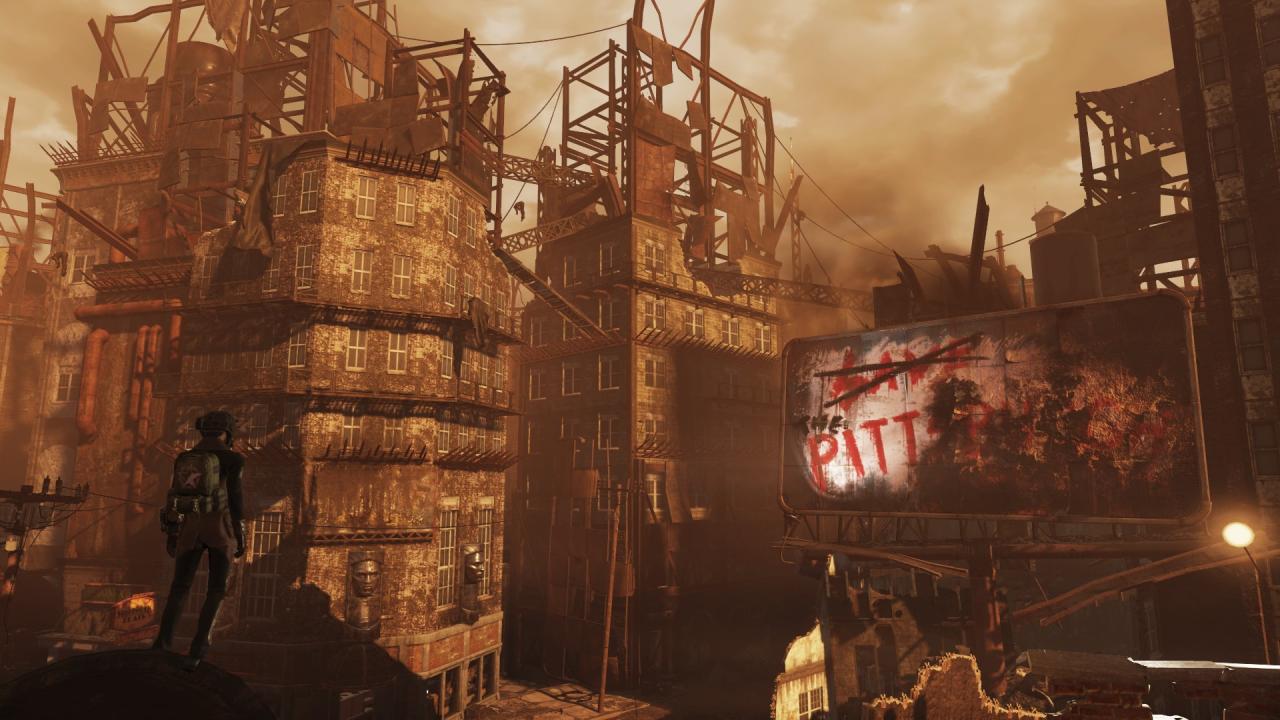
Then came Expeditions, which was Bethesda's attempt to move beyond Appalachia without really making the open world bigger. The Pitt and then Atlantic City allow players to go back to familiar Fallout places by completing quests over and over again. Some fans liked the nostalgia, while others wanted to dig deeper. But it was evident that Fallout 76 was trying something new again.
What came next was refinement. Camp pets, more endgame content, and player-driven features like caravan outposts made the game a place where people could express themselves. Bethesda paid close attention to its people and worked hard to improve their quality of life and provide them with more creative freedom.
Then came 2025, which brought some of the most daring ideas Fallout has ever seen.
For the first time in the series, players could turn into ghouls and not be terrified of radiation. Fishing was offered as a peaceful alternative to fighting in a society full of bloodshed. It became easier to build camps, which changed communities from sites of frustration to places of creativity. Bethesda made its boldest move yet just when it looked like Fallout 76 had run out of gimmicks.
Sources say that the next update for Burning Springs will add a new map area based in rural Ohio after the war. More importantly, it will have a direct crossover with the Fallout TV show, bringing in a major character with fully voiced quests and bounty-hunting missions. This is not a cosmetic tie-in. It is a story that is meant to bring players and TV watchers closer together.
The timing is not a coincidence. The release of the Fallout TV program brought the brand back to life in a big way. Fallout 76 had more players than ever before, with millions logging in on one day. This time, Bethesda is ready. As season two of the show gets closer, Fallout 76 is the only Fallout game where fans can actively explore that world. That makes me wonder: has Fallout 76 quietly become the future of Fallout?
Insiders say that Bethesda's plan goes well beyond 2026 and maybe even longer.
There are plans for patch milestones, seasonal upgrades are still happening, and long-term support is set in stone. Fallout 76 is no longer just a test; it's a platform.
It has been a slow, uneven, and sometimes unpleasant change. But it has also been on purpose. Unlike other live-service issues, Fallout 76 was not shut down. Based on player input and hard lessons learned, it was revamped one feature at a time. Once a symbol of broken promises, it is today a rare example of hard work paying off. Fallout 76 is now one of the stories of redemption that shows that a game's legacy doesn't have to be defined by its launch problems.
The wild is full of life. The roads go somewhere again. With all the new places, tales, and experiments coming up, it's hard not to wonder how far Fallout 76 can go before it stops being a comeback story and becomes Bethesda's most daring Fallout ever.
Editor, NoobFeed
Latest Articles
No Data.