
Formula 1 Racing is Making it to The Metaverse
Other by Tess Meijer on Aug 27, 2025
Formula 1 racing is expanding its presence in the Metaverse to better serve fans and athletes. It brings numerous perks for everyone: sports teams can test strategies in virtual reality, and gamers have new interactive environments to entertain themselves.
In this article, we will discuss how Formula 1 is making its way into the Metaverse, gaming, and the decentralized economy of Web 3.
Let's get started!
Web3, Blockchain, and Metaverse: Key Technologies that Digitize Formula 1 for Everyone
Before we explore how Formula 1 will be represented in the Metaverse, let's look at the core technologies that will shape our future digital interactions with Formula 1.
Web3 hit the headlines a few years ago with the rise of cryptocurrencies, NFT games, and marketplaces, which quickly developed into an independent economy.
It all began with blockchain: an immutable public digital ledger that lets you code things like cryptocurrencies and other tokens in a way no one can change or tamper with.
This gave rise to cryptocurrencies, but that wasn't the only application. The immutability of the records on blockchain has made it possible to create unique digital objects, like artworks, music records, or gaming accessories (skins, masks, armor, etc.), and also digital identities, which further gave rise to decentralized communities (DAOs) and led to the ability to transfer identities and assets across different games and other digital environments, or create the Metaverse.
Metaverses like Fortnite, Roblox, Decentraland, The Nemesis, and The Sandbox offer diverse virtual experiences, focusing on user-generated content and virtual economies.
For example, Nemesis is famous for creating virtual replicas of renowned global venues to host virtual conferences and other events, such as the Cannes Film Festival, Piazza di Siena, and New York City.
Nemesis Virtual Racetrack
Formula 1 events traditionally capture the attention of millions worldwide, who dream of experiencing what it is like to view the racing tracks up close.
The Nemesis has built a digital copy of the famous Monza track in Monaco. The designers of The Nemesis recreated the environment for genuine F1 racing with its distinctive features and gorgeous cityscape, inspired by the real Monte Carlo circuit.
The most famous event in the environment was a three-day high-speed race with prizes from Pullman Timmy Aurum, Inmodo Aurum, and others. Participants competed for a luxury hotel stay, luxury perfume, an avatar skin, and more.
The Nemesis Tour includes races with iconic hybrid hypercars like the 2014 Porsche 918 Spyder, 2013 McLaren P1, and 2013 Ferrari LaFerrari. It also features legendary race cars like the 1966 Ford #2 GT40 Mk II Le Mans and 1966 Ferrari #24 Ferrari Spa 330 P4
Famous brands like Gillette, Logitech G, and others use the Monza Formula 1 track for branding purposes.
Alfa Romeo Partnership with JigSpace and Everdome
In early 2022, Alfa Romeo F1 Team ORLEN partnered with JigSpace, a 3D knowledge-sharing and AR platform, to present their newly released car, the C42, to audiences in the virtual space.
Fans can scan a QR code or follow a link to use WebAR or App Clips to view the car up close, rotate it, explore details, and more. For example, viewers can tap on hotspots to read additional info about car features.
Another Alpha Romeo's partnership with Everdome expanded the Formula 1 experiences to the Metaverse.
Everdome is a hyper-realistic digital platform built on Unreal Engine 5. In 2022, it used this environment to host a virtual Abu Dhabi Grand Prix. The following year, the collaboration was expanded to virtually present motorsport races in Miami, Japan, Montreal, Silverstone, Monza, Singapore, Austin, Mexico City, Las Vegas, and Abu Dhabi.
Formula 1 Racing Games And Virtual Reality
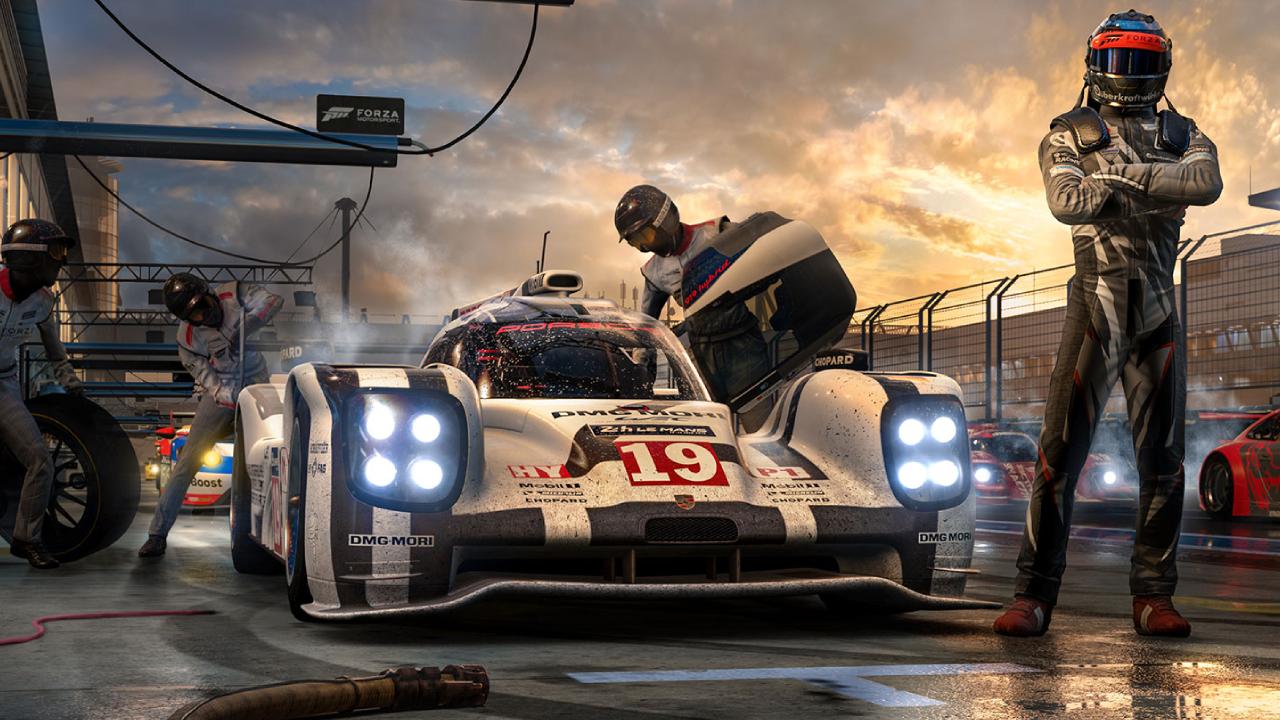
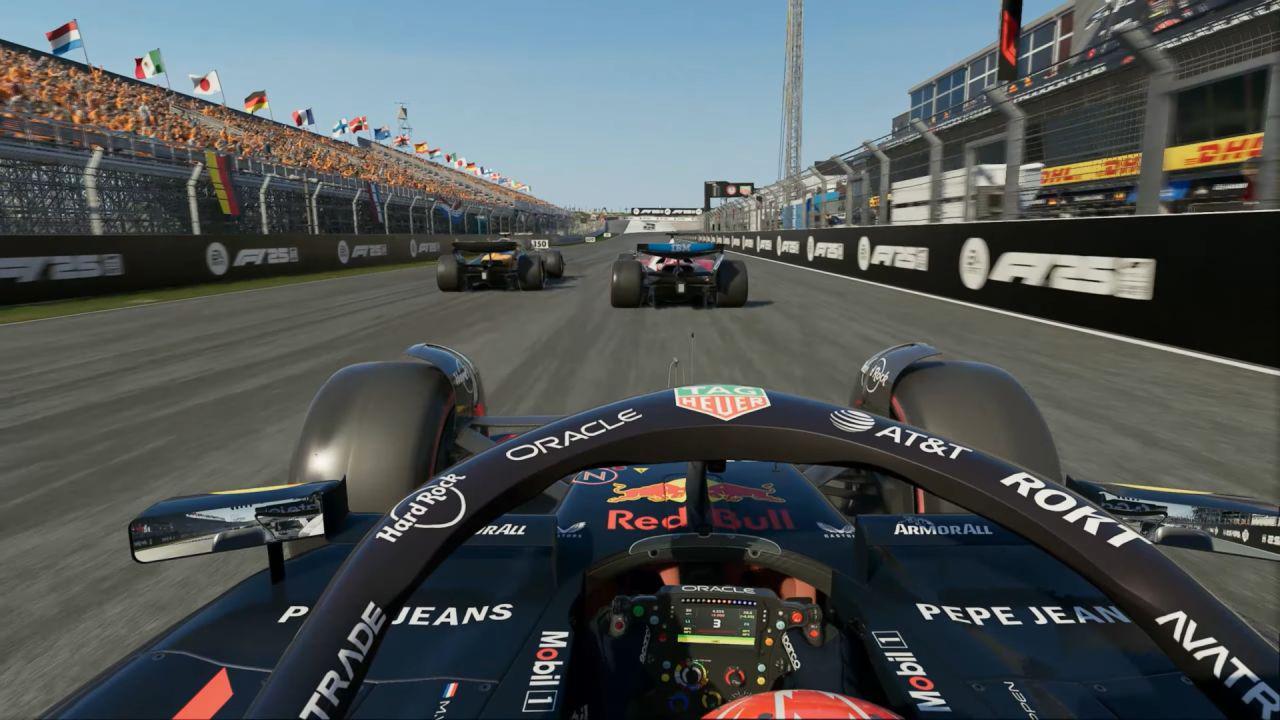
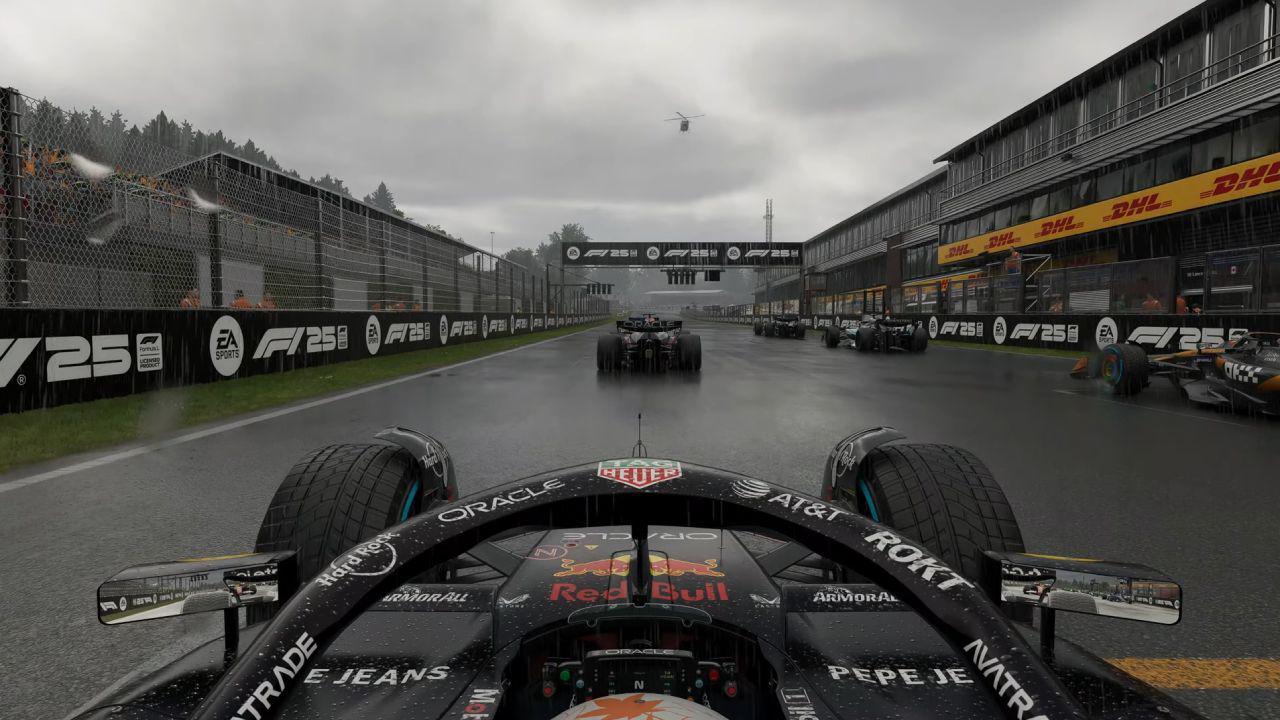
The famous Formula 1 racing games, such as 1 22 / F1 23 / F1 24, iRacing, Assetto Corsa, and rFactor 2, have also incorporated virtual reality features and offer exact representations of some of the world's famous racing tracks.
As a result, the F1 game series features tracks in Monaco, Spa, Monza, Suzuka, Silverstone, and Las Vegas, including accurate layouts, corner names, elevation, and DRS zones.
Although these games don't yet have all the elements of metaverses, such as persistent online worlds, user avatars, and interoperability, they are interesting because of how they may develop in the near future.
For example, these games already have real-world tie-ins, a creator economy, and user-generated content. Further development of these features could help create true Formula 1-dedicated metaverses, where fans can have unique avatars, form communities, and win in-game assets that can be sold for real value in the physical world.
Summing Up
The growth of Web3 metaverses has already blurred the boundaries between the physical and virtual worlds. Virtual gaming events are transmitted worldwide, gathering millions of viewers, while brands like Coca-Cola use them to advertise their products.
No wonder that events like F1 racing have made their way into the Metaverse, making it simpler for fans to get a realistic view of their favorite events.
Moderator, NoobFeed
Latest Articles
No Data.