
What Makes Free Online Games Worth Playing? A Gamer's Guide to Quality and Accessibility
Other by Xiao Mei on Nov 25, 2026
Free-to-play gaming is now a huge part of the digital entertainment landscape with everything from competitive multiplayer games through to the most basic of casual browser games. Some games obviously require a fairly substantial install and a lot of tutorials to get you up and running, but plenty of titles let you jump in and start playing straight away.
However, free access alone doesn't guarantee a good experience. Game design, performance, accessibility, and having a good game to play all determine whether a title is worth your time. For the casual player, the issue is often finding something fun to play without being overly complicated. Knowing the difference between a good free game and a bad one can go a long way toward making it easier to try different genres.

Gameplay Matters More Than the Price Tag
A game's value isn't just down to the price. Some free games are absolutely worth having, offering plenty of fun through well-designed mechanics, responsive controls, and good balance. Others are a complete pain in the arse, with the most repetitive systems, the most confusing interfaces, and a million little things getting in the way.
The difference is very much in the realm of casual gaming where the player is looking for entertainment that doesn't take a huge time commitment. You've got browser puzzles, arcade games, free slot games, etc. All of that is there to let you play with the mechanics and look and feel of the game without necessarily having to buy it.
The most important thing is does it deliver what the target audience wants? A simple game can be absolutely fun if the gameplay is clear and the presentation is clean. An overly complex title, on the other hand, can be a real pain if it's full of stuff that gets in the way of the actual game.
Why Accessibility is Essential in Modern Gaming
Accessibility has become an increasingly important consideration in game development. For the casual player it usually starts with simple navigation and intuitive controls.
A game should tell you what you need to do without making you wade through a dozen confusing menus. Clear instructions, readable text and a responsive interface can make a huge difference.
Simple Controls and Clear Navigation
Complex controls aren't always required for a good experience. Many browser games are built around a small number of interactions and are therefore accessible to people who may not be used to gaming conventions.
Simplicity doesn't mean bad design. A good interface presents the information the player needs and isn't cluttered with anything irrelevant. The key buttons should be visible, the rules of the game should be easy to find, and the menus should be consistent across all supported platforms.
Mobile Compatibility
Smartphones have changed the way we consume digital entertainment. Players expect to move seamlessly between desktop and mobile without learning two completely different control sets.
Responsive design helps the dev get the layout to work on smaller screens, but performance is just as important. A mobile-friendly game needs readable text, accessible controls, and stable animations without draining the device.
The Importance of a Strong Core Gameplay Loop
One of the hallmarks of a good game is its core gameplay loop. That's the sequence of actions that the player goes through during a normal session; in a platformer, that would be moving through the level, dealing with the various obstacles and getting to the next checkpoint.
In a puzzle game you look at a puzzle, make a decision and get feedback as a result of that decision. Casual games tend to be built around very short loops. The good ones achieve clarity without needing much explanation.
Short Sessions Can Still Be Engaging
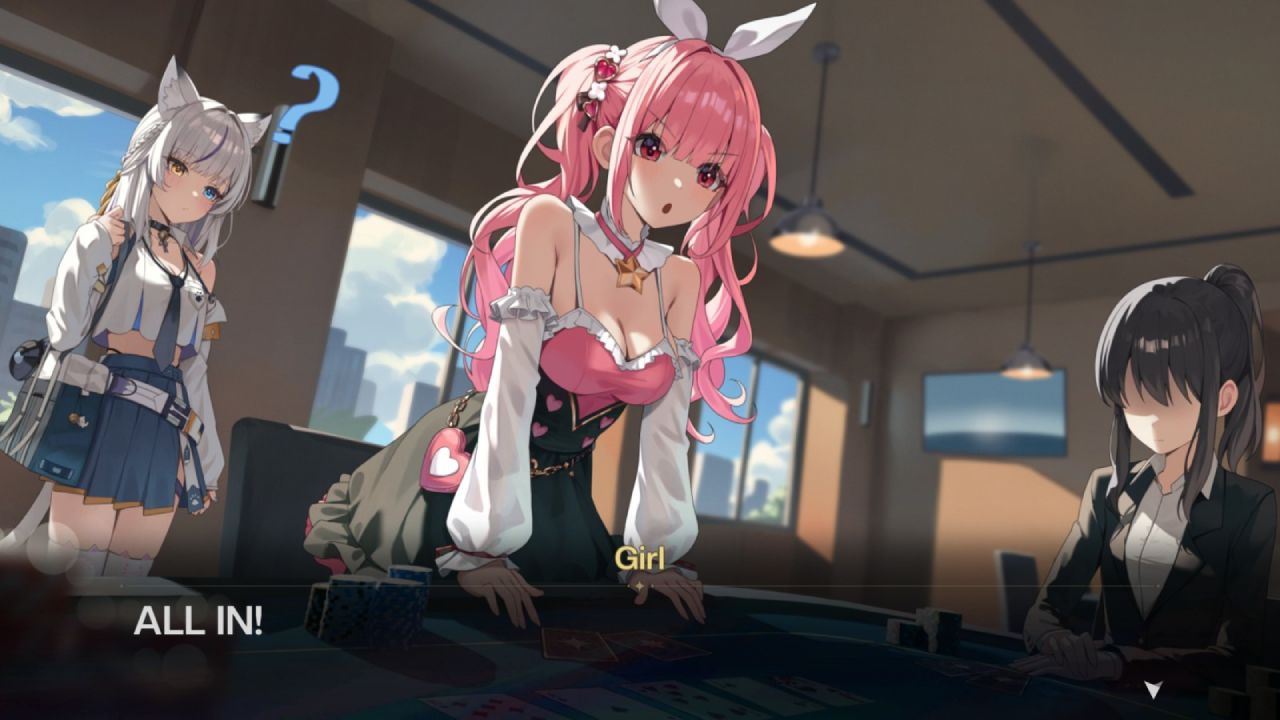
A game doesn't need hundreds of hours of content to be entertaining. There are definitely people out there who will happily play a game for a few sessions, a few hours, as part of a break or as a way of filling downtime. For that type of player, fast loading times and simple mechanics may be more important than a huge progression path.
A well-designed casual game should make it very clear very quickly what the point of the game is. The player should know what's going on and how they're meant to interact with it without spending the majority of their time going through tutorial screens.
Variety Helps Maintain Interest
Different gameplay mechanics will appeal to different people. Some will love the puzzle element and the strategic decisions you have to make, others will be all over the fast visual feedback and others will just prefer a more laid-back experience.
Offer a range of game types so that players can find the format that appeals to them. Even within a single genre there can be quite different experiences depending on the pacing, the controls and the way it's presented.
What Slot Games Reveal About Casual Game Design
Digital slots provide a good example of how a fairly straightforward interaction can be wrapped up in a very elaborate visual package. A lot of the titles are based on the standard reel mechanic, with different themes, different symbols and different bonus features.
Classic versions of course stress the familiar layout and simple rules. Modern video slots can have all sorts of features these days including animations, more reels, cascading symbols and various other feature rounds.
These elements can affect how the experience is presented and how complex it is, though they don't give the player any control over the randomized outcomes. It's quite different from a skill game where you can improve through practice. In the case of slots, the outcomes are generally dictated by the game's maths.
It's important to understand that free play in this context is of limited value when it comes to predicting what's going to happen next. It can be a useful way to get a feel for the interface and learn how the various mechanics work, but it's not a valid way to forecast future outcomes.
Performance Can Make or Break the Experience
Technical performance is another big factor in the assessment of free games. A great concept can quickly become a frustrating experience if the game takes ages to load or is unresponsive.
A number of technical issues will impact the experience.
- Loading speed: efficient asset delivery can go a long way toward reducing those nasty loading delays when you launch a game.
- Interface responsiveness: controls should respond consistently to player input.
- Visual stability: animations should be smooth and not cause any excessive disruption.
- Cross-device support: the game should work as expected across the range of devices and browsers that it claims to.
- Clear error handling: if there's a connectivity issue or the game gets interrupted for any reason, the player should be made aware of what went wrong.
These are the sorts of things that may not seem all that exciting when compared to graphics or gameplay per se, but they're absolutely vital to usability. NoobFeed has looked at the same issue in their article 'How to pick a game in 30 seconds: A simple guide to free online games' which looks at the factors of accessibility, time commitment and what type of game you're after when it comes to choosing a free online game.
For casual gaming, minimizing any unnecessary friction is often the most effective way of improving the experience.
Why Free-to-Play Does Not Always Mean the Same Thing
"Free-to-play" is used in a number of different gaming models. Some games are completely free to play and provide a full entertainment experience. Others are free to play but then offer optional purchases, additional content, cosmetic items, etc.
Some games use virtual currency; others use ads or progression systems designed to get you to spend money. Be aware of that difference before you commit to a new platform.
A good starting point is to check that the game makes it clear what it is asking you to do and whether any optional costs are involved. Transparent information is key to helping users make an informed choice about the experience they are opting for. It's also important to differentiate between a game of pure entertainment and one that is a product with a financial element, as the rules and consequences will be very different in each case.
How Game Libraries Improve Discovery
As gaming catalogs online get bigger and bigger, it can be a real challenge to find the right game. Game libraries help by organizing available games into sensible categories.
Some platforms let you browse by genre, developer, popularity, or most recently added. Others include detailed descriptions of gameplay and compatibility.
These features can save players a lot of time in terms of searching and will help them to find out about games they may not otherwise have come across. The key is that effective discovery isn't just about having good thumbnails. You also need useful descriptions that explain what the game is about, how it works, and what makes it different.
For the casual gamer, filtering by preferred game type or session length can be very useful. A game that looks the part may not be the right fit for someone looking for a quick, simple session.
Why Different Players Value Different Experiences
There's no such thing as the 'perfect' free game. Some people will want a game that's all about competition and skill. Others will want a game that's all about story, exploration, and the like. Some will just want something simple, something that takes a very short time and requires very little commitment.
These preferences will vary from device to device, from time to time and from mood to mood. A person who might be inclined to go full on with a lengthy role-playing game over the weekend may well be happy with a quick browser game during a short break.
The best gaming experiences will acknowledge these differences rather than assume everyone wants the same level of complexity. For the developer, it means setting out very clearly what the gameplay will be like. For the player, it means thinking about what they want rather than just going with what's popular or what the marketing describes.
Final Thoughts
Free online gaming is absolutely massive in terms of the range of entertainment it provides. The quality of the experience, however, isn't simply a matter of being free, cheap, or easily accessible. It comes down to the quality of the mechanics, the quality of the controls, the clarity of the interface, and the overall reliability of the game.
For the casual player, you can often dip your toe into a whole variety of genres without having to commit to anything. It's all about the game's quality, its transparency, and your own personal preferences. You can quite easily find free games that are in fact going to suit you.
Moderator, NoobFeed
Latest Articles
No Data.