
GPU and DDR5 RAM Prices Surge in 2026
NVMe SSD pricing stabilizes at higher cost per gigabyte across mainstream capacities.
Hardware by Naheyan Tahmin on Feb 11, 2026
The February edition of the GPU price watch now covers RAM costs as well, since memory prices have risen over the last three or four months. There is also a brief look at SSD prices, meant to help people keep an eye on price changes and get better discounts on PC gear. This month, prices did not go down. The cost of most parts went up.
We get data from PCPartPicker, which shows prices from big stores. The lowest 10 reasonable costs for each element, such as the RTX 5070 Ti, are considered to remove listings on third-party marketplaces that might not be real. From that, we can determine the average monthly price and the lowest currently available price.
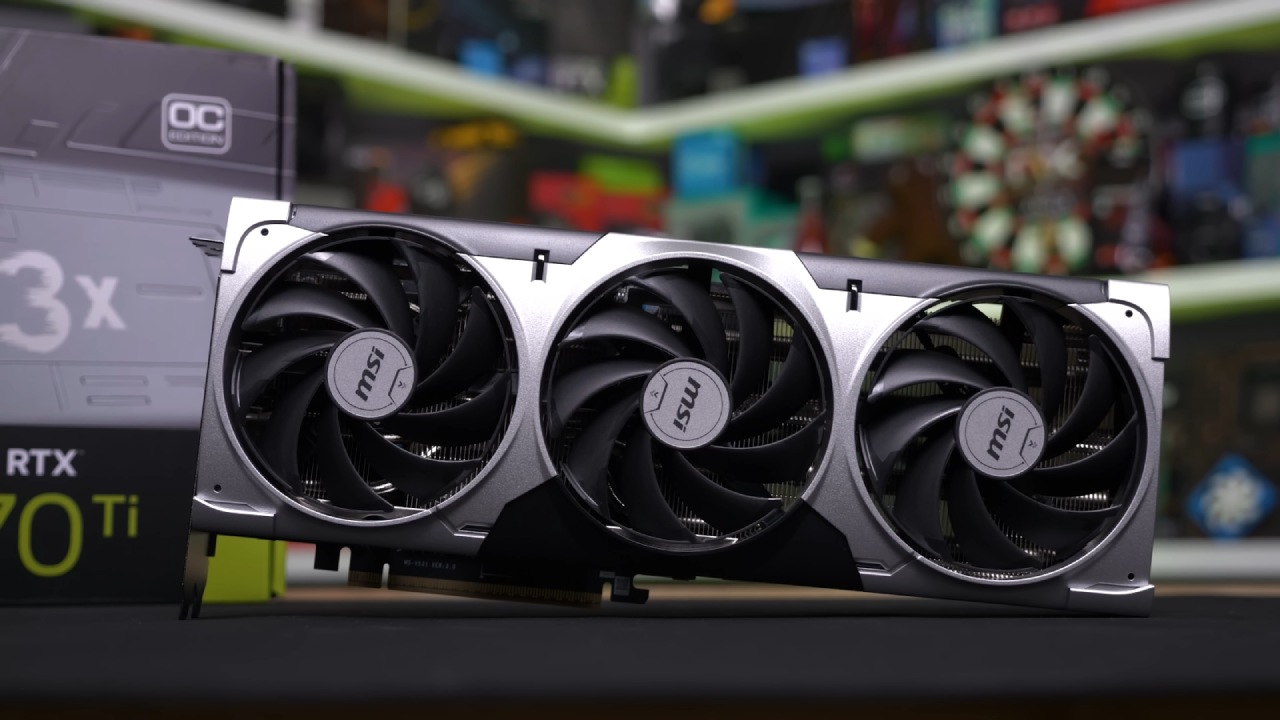
When you look at the charts from January and February, you can see that fewer GPUs are selling for less than the MSRP. Eight GPUs were at or below MSRP in January. Only two were left in February. RX 7900 XT is one of those. It was originally priced at $900, but now it's selling for $690. It used to sell for $580 last fall, though, which changes how much it's worth.
Historical pricing from last year shows the lowest costs ever reported for each GPU. RTX 40 series has been left out because it is no longer being made, and its prices are uncertain. Tracking right now is mostly about the RTX 50 series GPUs, a few Radeon 7000 series models, the RX 9000 series GPUs, and two Intel ARC GPUs.
Prices for the NVIDIA RTX 50 Series
The VRAM and DRAM scarcity has a greater effect on higher-end GPUs with more VRAM. Prices have gone up by $20, $30, and even $50 or more across the RTX 50 portfolio compared to last month.
The lowest price for the RTX 5070 Ti 16 GB dropped slightly, from $966 to $950. But this is still $200 more than its $750 MSRP. The price of the RTX 5080 remained at $ 1,400. The price of the RTX 5090 went down by $169, from $3769 to $3600.
The price of the RTX 5060 Ti 16 GB is currently $540, including shipping. RTX 5070 costs $600, down from as low as $480. It costs $600, which is $50 more than the MSRP. Some manufacturers sell their own listings, and stores have varying numbers of listings.
You can get the RTX 5070 Ti 16 GB for $950 directly from the manufacturer. The price of the RTX 5080 stays around $ 1,400 at a few stores. RTX 5090 costs $3,600 and occasionally comes with a B850 motherboard.
Prices for AMD Radeon
RX 9070 16GB costs $630, $80 above the manufacturer's suggested retail price. The price of the RX 9070 XT 16GB increased from $720 to $730 due to changes in availability. Most Radeon postings suggest that prices have gone up since last month.
A Look at RAM Prices
Memory prices keep rising, and there are no signs they'll fall in February. Before the RAM scarcity, 32GB DDR5 kits were about $90, and 64GB kits cost between $170 and $210, according to historical data. The cost of DDR4 kits ranged from $70 to $80.
A 32GB DDR5 package now costs $350, up from $325. The price of lower-tier 32GB DDR5 kits went up by $75. The lowest price for 64GB DDR5 kits is still $750, which is a lot more than the $210 price from last October. The average price has increased from $690 to $774, then to $793.
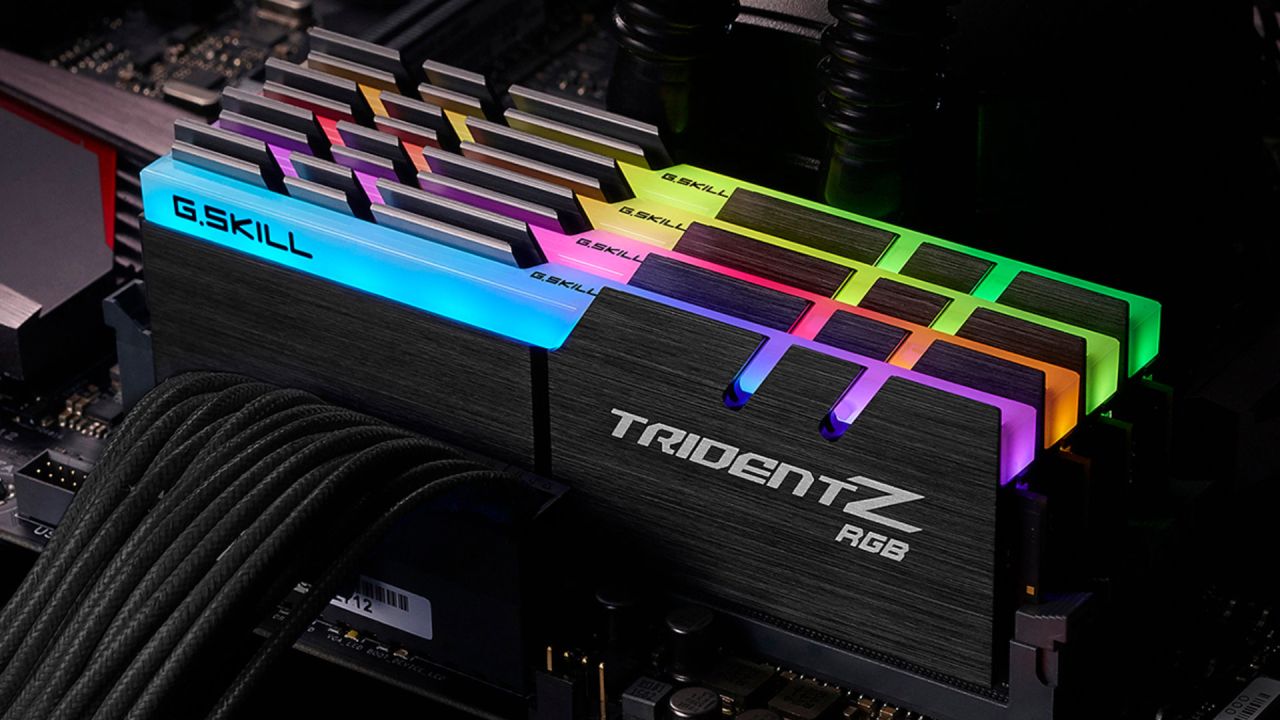
Prices for DDR4 have also gone up. The cost of a 32GB DDR4 kit is $228. DDR42666 kits that are slower cost about $195. Some DDR42133 kits are slower and cost around $189, but prices change.
The pricing of a 32GB DDR56000 CL32 kit with AMDExpo and IntelXMP profiles is $350. You can get a DDR56000 CL36 kit for about $326. The lowest price for 64GB DDR5 is still $750.
A quick look at SSD prices
We looked at SSD prices by sorting NVMe drives by price per GB. A 2TB PCIe Gen 3 drive that costs $180 has the lowest price per gigabyte, at about $0.09 per gigabyte. The next 2TB option is $217. Some 2.4 "Gen4 drives cost around $217 and can read data at up to 7200 MBps.
4TB drives cost between $365 and $395. You can get a 1TB Gen4 NVMe drive for $100, although similar drives used to cost around $60.
Final Thoughts
Prices for GPUs, RAM, and SSDs are high right now because there aren't many available, and the costs of parts are going up. There are fewer items at MSRP, and prices are going up in a number of areas. If you want to buy new gear, you'll have to think about these higher prices or look at used gear, based on what's available where you live. We will keep an eye on these trends and price changes over the next few months.
Also, check our other NVIDIA articles below:
- NVIDIA GeForce RTX 5080 Review (2025): Still A 4K Gaming Powerhouse?
- NVIDIA RTX 5070 Review: Mid-Range Muscle or Marketing Hype?
- RTX 5070 Ti Review: Performance, Thermals & Power Efficiency Tested
- ASUS GeForce RTX 5090 LC Liquid Cooled GPU Review: Unmatched Silence & Speed
- MSI GeForce RTX 5090 32GB SUPRIM SOC Review: Power Efficiency, Cooling, and Gaming Performance
- INNO3D RTX 5060 Ti 16 GB X2 Review: Gaming Benchmarks, Temps, and Power Efficiency
- HP Omen 45L Review: RTX 5090 Performance, Thermals, and Value Analysis
- ASUS TUF Gaming GeForce RTX 5060 Ti Review: DLSS 4, Power Efficiency, and Gaming
- ASUS Prime RTX 5060 Ti OC 16GB Review: DLSS 4, Ray Tracing, & Thermals Tested
- NVIDIA GeForce RTX 5060 Review: Specs, Gaming, and Cost per Frame
- MSI GeForce RTX 5090 GAMING TRIO OC Review: A Monster Power GPU
Editor, NoobFeed
Latest Articles
No Data.