
iGaming Payment Orchestration: The Future of Deposit and Payout Optimization
Other by Alicia Veerle on Nov 25, 2025
Did you know that payment system issues and blockages cause operators an 8-10% churn rate? If you can't afford to lose that, setting up the best payment mechanics in the world is a must. Gamers come from all over the globe, and attracting them is a far taller task than just translating your app or website, and in far more ways than one. Beyond cultural nuances, there are government regulations, security, and payment realities.
There are lots of online casinos out there. And as soon as a player gets a little bit frustrated with your inability to accept their deposits, most of them are going to leave. That means a whole lot of revenue for you, and also it may cause citizens to lose faith in your legitimacy as an operation. After all, this is your first handshake with the visitor, and they're judging you by your cover.
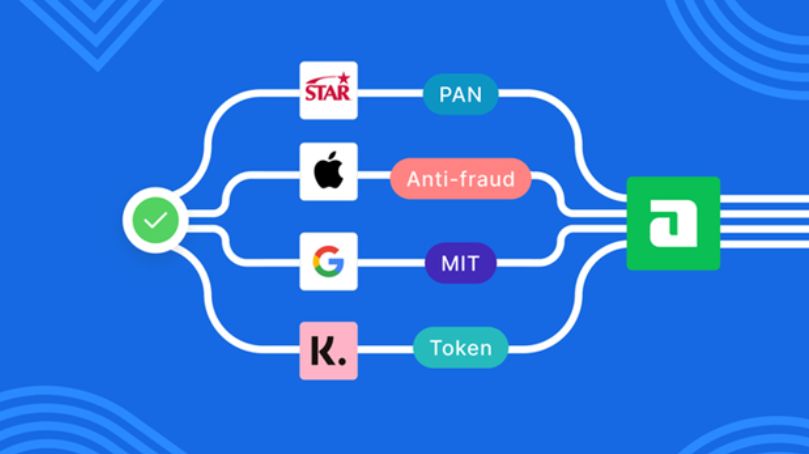
So let's talk about how operators are addressing that.
The Bars for Global Payments
Deposits are no longer a simple matter of cards or nothing. They are a strategic intersection of culture, technology, and convenience. In Europe, for example, players increasingly expect bank-based alternative payments like iDeal in the Netherlands or Trustly across the continent. These methods are not just nice to have but rather the standard itself, the bar.
A Dutch player who is told they have to pay with their credit card only will be highly likely to not feel like fetching their card to enter the whole thing in. Or they may not feel comfortable doing that. In Germany, PayPal leads the market, followed by purchase-on-account options and SEPA direct debit.
Latin America
Here, they have a whole bunch of different situations throughout the region. In Brazil, Pix is all the rage right now, while Mexico relies heavily on OXXO cash vouchers and the SPEI bank system. You must have your team study up on these, since if you're ignoring these systems, you're ignoring gamblers and their local lifestyles.
Asia-Pacific
Wallets are even bigger here. In China, AliPay and WeChat Pay are massive. In Indonesia and Malaysia, it's GrabPay and GoPay, which represent half of all e-commerce transactions. You must also make sure that deposits work on all types of devices, including mobile ones. Especially places like here and South Asia, where most people use a smartphone, not a computer, for everything.
Payment Orchestration 101
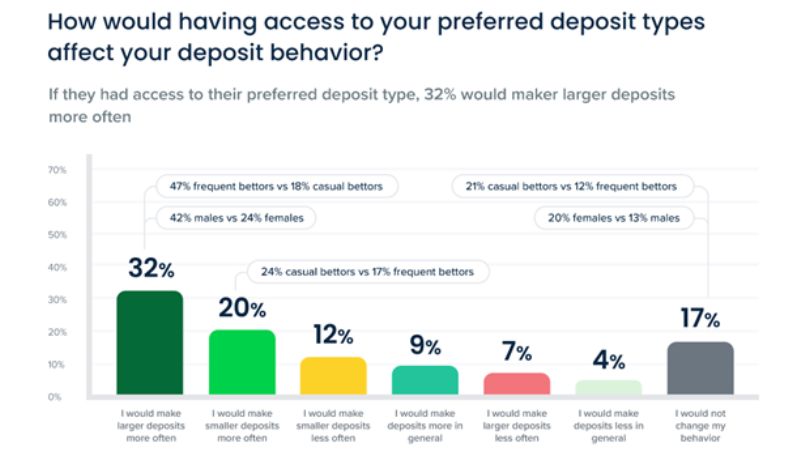
Here is a strategic system you can build to not only avoid losing players but steal them away from your competitors. Such smart systems put in place by leading casinos, such as Odds96, dynamically route transactions and manage alternative payment methods, all while ensuring compliance with the local laws without disrupting the player experience. It's one platform with lots of different payment flows.
Adaptive Routing
Rather than sending every transaction just through one processor, orchestration systems evaluate multiple factors at once, like issuer data, transaction amount, card, and historical approval patterns. These inform on alternative successful routes, thereby cutting back on the frequency of declined deposits, boosting approval rates, and keeping more players around.
Sometimes particular acquirers are down or hiccuping. When that happens, transactions automatically get rerouted without the player even noticing. That invisible failover is a lifesaver, especially considering that in many regions, banking networks are inconsistent and payments are volatile. Advanced orchestration platforms continuously monitor:
- Acquirer performance
- Latency
- Error rates
- Time of day
- Transaction value
- Geographic location
Open Banking
This is redefining how players fund accounts and cash out winnings. It entails a direct connection between banks and operators that bypasses traditional card networks, utilizing APIS generated by banks to initiate instant transfers that are a whole lot safer with no total transparency.
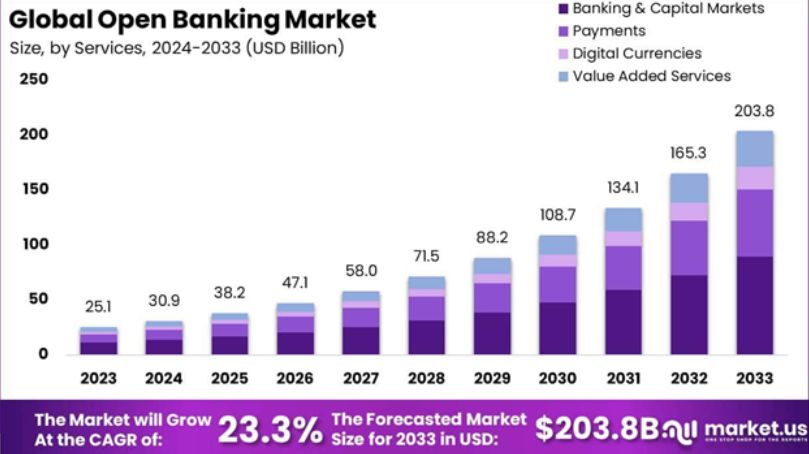
Grand View Research recently reported that the global market for open banking reached 31.61 billion in 2024 and is on track to clear 135 billion by 2030, so it's blowing up fast.
On the players' side, they get practically instant deposits and withdrawals without having to rely on credit and debit cards, something they'd rather avoid since it adds risk online. On the operators' part, they get to save money for themselves, and gamblers depositing more quickly means more revenue. The risk of failed transactions goes down as well.
This technology is being adopted at an increasing rate all over the world. In Europe, PSD2-compliant banks provide open banking APIs that allow operators to access real-time verification and payment confirmation. Asia and Latin America are starting to follow that trend too, which will enable instant cross-border payments.
Compliance at the Payment Layer
Across Europe, the upcoming PSD3 regulations enforce stricter Strong Customer Authentication, casting more liability onto operators and payment processors. This has to be built into the payment flow directly.
Another element required is responsible gaming laws – deposit limits, self-exclusion tools, and mandatory cooling-off periods, right at the payment layer. Payment orchestration implements that, avoiding frictionous experiences while not sacrificing oversight.
Cryptocurrency and Stablecoins: Borderless Deposits
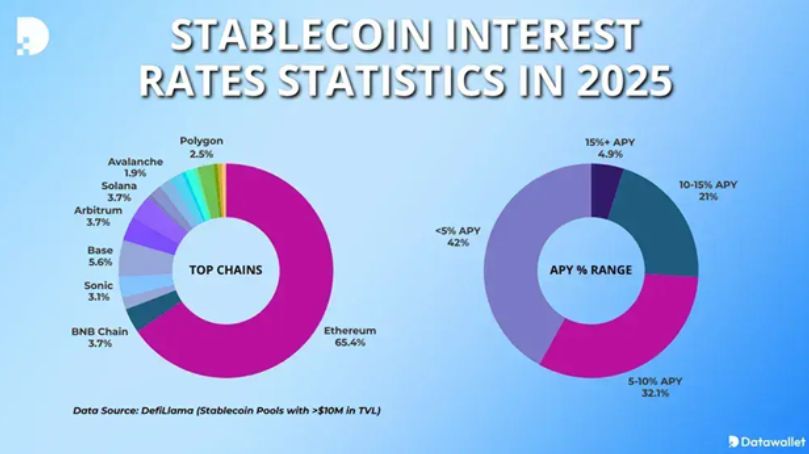
This has moved from niche curiosity to a strategic iGaming payments asset, and it's becoming ever more entrenched. The benefit of crypto is that it helps avoid the fees that conventional banking and wallets require.
They also complete very fast, usually instantly, and only run a charge of a few cents. By contrast, banking transactions can otherwise take hours or days to settle, especially when you're dealing with multiple currencies.
Stablecoins
These are digital coins pegged to the value of particular fiat currencies, and they contribute the benefit of eliminating one common problem with crypto, its volatility, while still operating at its signature low cost and high speed. For international players and high-stakes bettors, that adds up to a lot and is a serious draw.
In some countries, however, you can't use crypto, such as Sweden and Turkey. To mitigate the risk of value fluctuation, even in the case of stablecoins, operators can use auto-conversion rails, which instantly convert deposits into the stable currency or whatever the preferred treasury currency of the platform is. That renders consistent financial reporting and a lack of hiccups.
Security
Strong compliance, secure custody solutions like multisignature wallets and cold storage. These protect both the operator and the player. That said, crypto will never replace traditional payment methods. Many people don't trust them, nor do they understand them. Crypto also has a big tendency to get stolen through hacks.
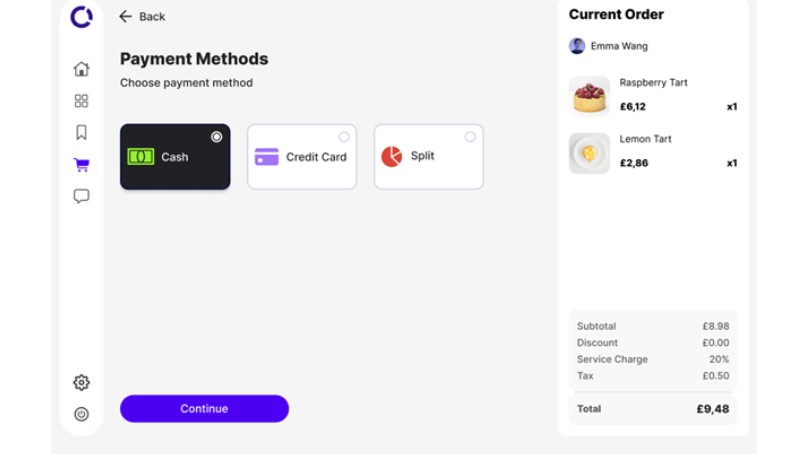
UX Payment Design
The more steps a player has to complete to fund their account or take out their winnings, the greater the risk that they'll flee. Operators should eliminate any unnecessary fields in that process, offering pre-filled options where possible and guiding players through clear step-by-step instructions. When they go to withdraw money they won, players should be instantly made aware of processing times, any fees that apply, and the exact path their funds will take.
Mobile Devices
Most people on earth use these, not computers. So everything has to operate flawlessly on these to avoid that audience. Features like one-tap deposits, QR code payments, and mobile wallet integration help keep players engaged. So do clear error messages with actionable solutions if errors do occur. To inspire greater trust, also use recognizable trust signals such as PCI compliance badges, SSL certificates, and endorsements from trustworthy payment providers.
With all of that in place, people feel more at ease to complete transactions. Every point of friction, such as slow processing or confusion, reduces conversion rates.
Moderator, NoobFeed
Latest Articles
No Data.