
Indie Games Fill the Void Amid AAA Studio Cuts & Layoffs
From $100 price tags to canceled sequels, here's why nearly every corner of gaming feels like it's collapsing at the same time.
Opinion by Adeela Tas on Jul 25, 2026
Layoffs at massive studios, brand new games launching at $100, physical copies disappearing off shelves, and some of the biggest names in the business barely holding on. None of this is happening by accident, and none of it is really separate. You're watching the same problem show up in a dozen different places at once, and the gaming industry is starting to feel the pressure from every direction.
GTA 6 drops this November, and Rockstar just confirmed what it's going to cost you. This is a console-only launch for now, with PC coming later like it always does. The base game runs you up to $80, a jump from the usual $60 to $70 range you're used to. If you want the Deluxe Edition, that'll run you $100.

What really got people talking wasn't just the price.
It was what you're paying for. The Deluxe Edition apparently unlocks exclusive shops and locations inside the game, the kind of places you'd expect to just walk into during normal gameplay. Clothing stores, gas stations, stuff that should already be part of the world you're playing in. You can't afford the fancy outfit in real life, and now you can't afford it in the game either.
Rockstar is probably one of the only studios that could pull this off without much pushback. Most players will glance at the controversy, shrug, and buy the game anyway, because that's just how much pull GTA 6 has. But it still stings a little. It feels like a reminder that you'll pay whatever they ask, so why not ask for more.
There's also the physical copy situation. Reports suggest even the boxed version of GTA 6 will just contain a download code, meaning you're paying $80, $100, or more for nothing you can actually hold. That's become a running theme across the gaming industry as a whole, and it's part of why everything about gaming feels more expensive than it used to.
You don't need GTA 6 as an example to know gaming costs too much right now. Game prices are climbing, PCs capable of running new titles cost more every year, and the next generation of consoles is rumored to come with a steep price jump too.
Gaming is starting to feel like a luxury instead of a hobby.
Sure, you could lean on something like Game Pass to try a bunch of titles without buying each one outright, but that shouldn't be the only way to make this affordable. It's not just players feeling the squeeze either. Companies across the gaming industry are making questionable calls too.
You probably saw Sony's decision to stop producing physical discs altogether, a move that triggered enough backlash that their social accounts went quiet for days. Even when studios aren't making headline-grabbing mistakes, plenty are still struggling behind the scenes.

There was a time when a handful of massive companies ruled everything. Call of Duty had two studios cranking out entries. Bungie had Halo. Gearbox, EA, and Rockstar were all putting out quality titles on a schedule you could actually count on. GTA games came out fairly regularly, Call of Duty landed every single year, and Halo showed up every couple of years.
As time went on, prices for consumers kept climbing, and so did the cost of developing these games. Destiny remains a fan-favorite franchise, with Bungie spending years building its universe. But the way that story ended recently has been hard to ignore.
Bungie has clearly dealt with management issues for a while now, and different choices along the way might have kept Destiny 2 alive longer than it lasted.
People close to the situation have pointed to ballooning development costs as one of the main reasons the game's development came to a halt, and being a live-service title only made that problem worse. Destiny 2 was one of the most successful live-service games of the last ten years, and now it's done.
Building a Destiny 3 from here would be a massive undertaking, and even with a loyal fanbase still around, the business side of the gaming industry made the call anyway. It's happened before, and it'll happen again. If Destiny isn't your thing, consider that even Fortnite, arguably the biggest game of the last decade, is dealing with its own issues. Epic Games cut over a thousand jobs and has watched costs rise inside its own in-game store.
Where does that leave the future of the gaming industry? Fewer risks. Studios aren't exactly lining up to fund the next Destiny 3. Instead, expect companies to scale back and try to do more with less, a strategy that rarely benefits anyone on your end as a player. They're betting on finding that one breakout hit rather than pouring everything into a single massive project.
Sony watched Destiny sink, and there's no reason to think they're eager to greenlight a Destiny 3 after that. The Destiny team is reportedly currently facing layoffs of its own. Luna Abyss barely launched a few weeks ago before its developers were let go. Gears of War: E-Day reportedly cost around $500 million to make, and it's unlikely that money comes back.
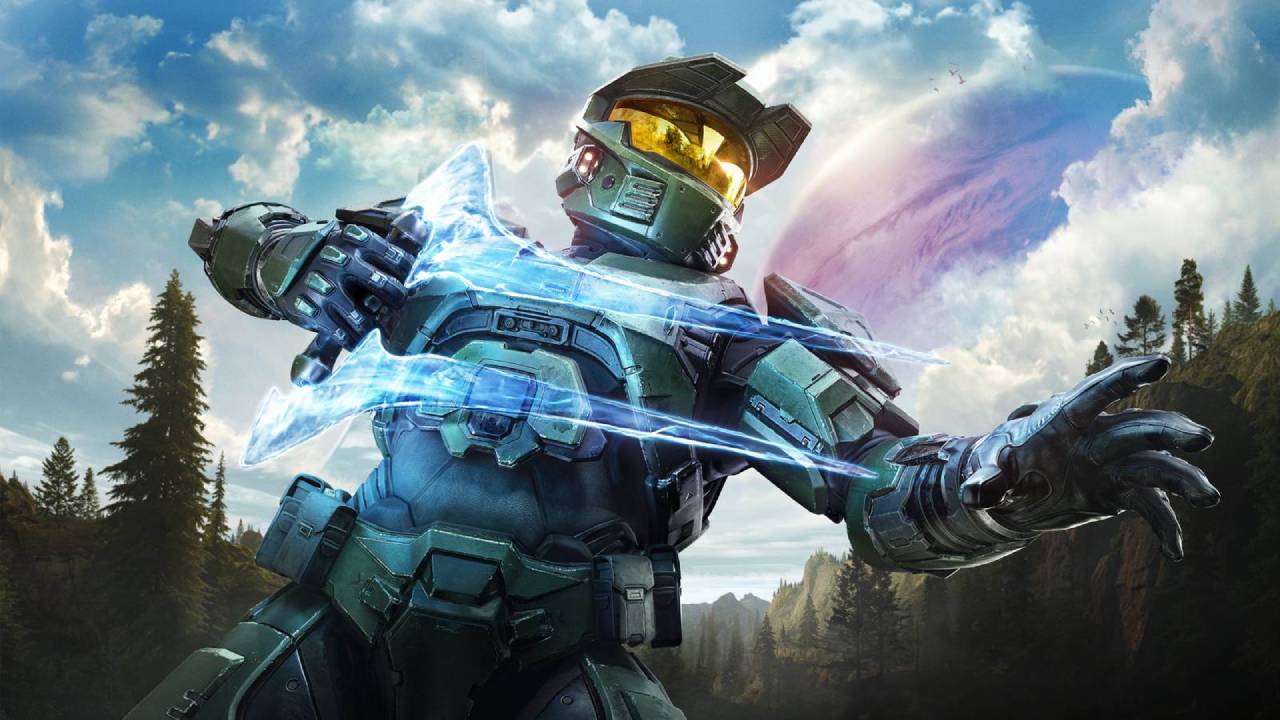
XBOX hasn't been spared from any of this.
Multiple studios under their umbrella have gone through layoffs, right around the same time XBOX showed off a wave of new games during the usual Summer Game Fest window. Some of the biggest names from those reveals are already in trouble. Senua's studio is reportedly being shut down entirely. State of Decay 3 is struggling.
People who worked on Halo have also lost their jobs. The bigger, safer franchises are the ones getting whatever budget and development focus remains. Even The Elder Scrolls Online, another major live-service game, saw a large chunk of its team let go. None of this is good news if you work in the gaming industry, and waking up to another round of cuts has become almost routine at this point.
But that doesn't mean quality games have stopped happening. The era of giant AAA studios dominating everything is struggling, and it'll likely keep slipping if nothing changes. Meanwhile, smaller teams keep landing massive hits. Clair Obscur, Expedition 33, Mecha BREAK, and Schedule have each amassed a significant player base recently, just as was seen during the pandemic era with games such as Among Us.
It seems that smaller studios are constantly carving out a share of the market from giant studios that invest far too much money into a project and take over ten years to create even one new game in an established franchise. AAA can still happen in the world of video games, but the question remains whether or not it is worthwhile.
Editor, NoobFeed
Latest Articles
No Data.