
Marvel's Wolverine Faces Growing Debate Over Familiar Gameplay Direction
Fans and critics weigh in on whether Insomniac's next big Marvel game is playing it too safe ahead of its 2026 launch.
Opinion by Mahi Araf on Jun 13, 2026
If Insomniac ever decides to expand beyond Spider-Man and Wolverine, you can probably already picture how a Deadpool game would fit into their lineup. But for now, your focus stays locked on Marvel's Wolverine, a game that's still one of the most anticipated releases on the horizon, even as more discussion builds around how it actually plays.
You're stepping back into another deep dive on Marvel's Wolverine, a title that's been steadily building attention through short teasers and showcase appearances over the past year. Even with all that excitement, there's been a growing split in how people are reacting to what's been shown so far.
.jpg)
On one hand, you've got the clear hype around Insomniac handling another major Marvel character after the success of Spider-Man. On the other hand, there's a rising concern that what you're seeing might not be pushing things as far as you'd expect from a character like Wolverine.
The most recent gameplay showing from the game puts you right into the middle of that debate.
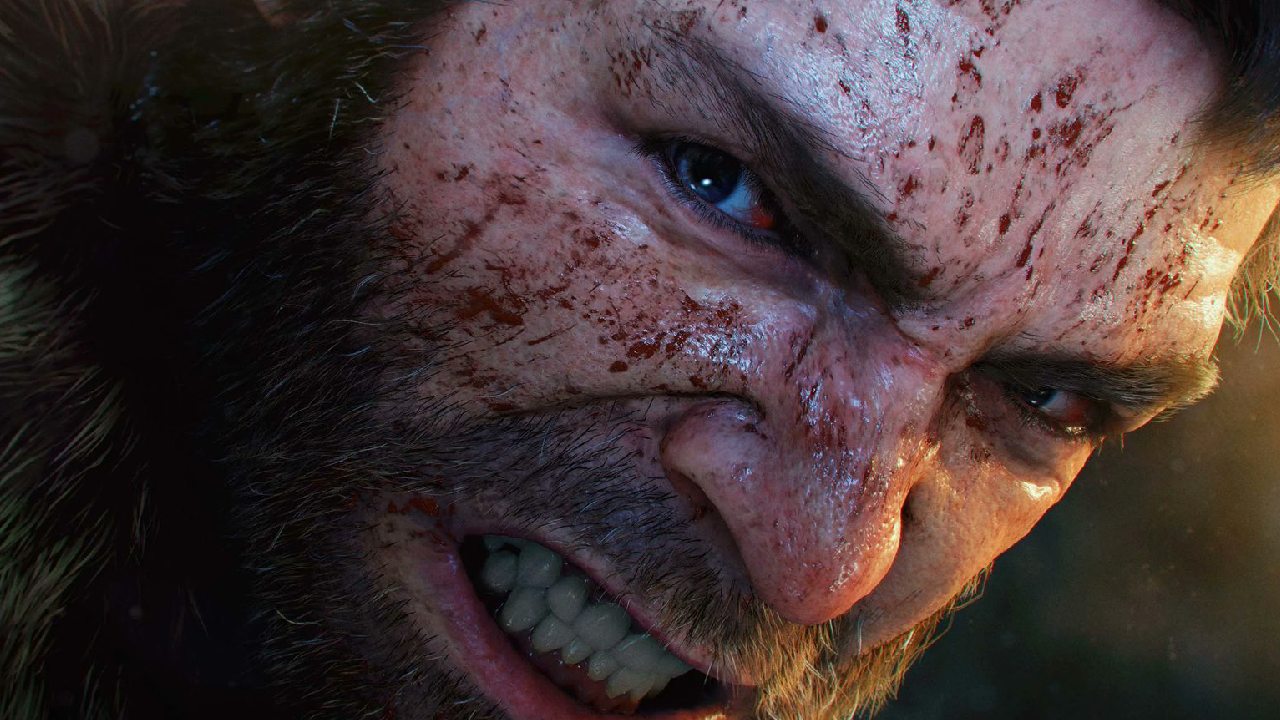
You see Wolverine in action, moving through a familiar mix of stealth, close combat, and cinematic set pieces. It starts with him positioned above enemies on a rooftop, carefully observing the situation below before dropping down into action. From there, you get the kind of brutal, fast takedowns you'd expect from Logan, using his claws for quick eliminations and dragging enemies into cover in stealth-focused moments.
You get into the rhythm of the sequence as you watch him go from stealth to full-on combat, from precise strikes to frantic melee. The fight picks up steam, and he even teams with Jean Grey to add yet another layer of action to the proceedings. There's also a sequence where Wolverine enters a heightened combat state, with visual effects indicating a power boost that further intensifies the action.
Of course, this segment eventually leads into a larger cinematic sequence in which the characters move between vehicles, and explosive action set pieces make it feel straight out of a blockbuster. On the surface, everything looks polished and functional, with the kind of production value you'd expect from a major PlayStation exclusive.
But this is where the conversation around the game starts to shift.
The gameplay delivers action and visual intensity, but there's a growing sense that it's also relying heavily on familiar design patterns. The structure of stealth encounters, melee combat arenas, and scripted cinematic moments feels like something you've seen before in multiple modern AAA action games.
That familiarity is where the concern begins to set in. Instead of feeling like something built specifically around Wolverine's identity, the gameplay can start to resemble a broader template that could be applied to many other action heroes. You're seeing stealth mechanics, cover-based movement, and cinematic combat sequences that don't necessarily feel unique to Logan as a character.
A big part of the discussion also comes from expectations tied to Insomniac itself.
After spending years building the Spider-Man games, the studio has become closely associated with highly polished superhero experiences that prioritize fluid movement, accessible combat, and cinematic storytelling. You've already seen how well they handle traversal and action systems built around Spider-Man's agility and freedom of movement.
With Wolverine, the expectation naturally shifts. Instead of swinging through cities, you're dealing with a character defined by raw brutality, survival instincts, and close-quarters aggression. That difference in identity is where some of the current concerns come from. While the violence and intensity are clearly present, the overall structure still feels like it's built within a familiar action-adventure framework rather than something more tailored to Wolverine's unique traits.
There's also a broader reflection happening around how Insomniac handles its different franchises. You can look at past projects and see how the studio often gives each series its own visual and mechanical identity. Spider-Man focuses on movement and flow; other past titles leaned into exaggerated weapon design or stylized combat, and each project tends to carry its own personality within the gameplay.
With Marvel's Wolverine, that distinct separation feels less pronounced in what's been shown so far.
Instead of introducing something that immediately feels like a new direction for the studio, the game appears to sit closer to a recognizable AAA action structure that's been used across many modern titles. That similarity is what fuels the ongoing discussion about whether the game is doing enough to stand apart.
There's also the reality that Insomniac has been operating at a very fast pace, delivering major releases in shorter cycles compared to other studios known for large-scale single projects. That speed of development has raised questions about whether there's enough room for experimentation between projects, or whether established formulas are being reused to meet production demands.
From that perspective, Marvel's Wolverine begins to look like a game that fits comfortably within a proven structure rather than one that tries to reinvent it. The combat, stealth, and cinematic pacing all align with what you'd expect from a modern blockbuster action game, but not necessarily something that breaks away from the genre's usual design habits.
At the same time, there's still a strong argument that what matters most won't necessarily be the mechanics themselves, but how they're used to tell Wolverine's story.
This is an approach you've seen in other superhero games before, where gameplay systems are more of a means of delivering narrative than the primary source of innovation. In those cases, the story's emotional impact often ends up being what players remember most.
Looking at previous examples from the genre, even as gameplay systems improve or evolve, the conversation often centers on story moments, character arcs, and key narrative decisions. That same expectation is now being placed on Marvel's Wolverine, where Logan's long and complicated history across comics, films, and games provides ample material to work with.
The character himself has always been defined by more than just combat.
His history spans wars, survival stories, personal loss, and time spent in vastly different environments and eras. That depth provides ample creative space for a game to explore, especially compared to a straightforward, action-focused interpretation.
Right now, though, the concern is that the gameplay shown so far doesn't fully reflect that depth mechanically. Instead, it leans into a more standard action-adventure structure, where brutality and cinematic presentation take center stage, but innovation in gameplay design feels less visible.
.jpg)
Even with that criticism, there's still acknowledgment that what's been shown may represent only a small slice of a much larger experience. Early gameplay demonstrations often focus on controlled segments designed to showcase combat flow and visual direction, rather than the full range of systems that may exist in the final release.
As the release window approaches, expectations remain high. You're looking at a major Marvel title from a studio with a strong track record in superhero games, and that alone keeps anticipation firmly in place. At the same time, the discussion around whether the game is playing it too safe continues to grow alongside each new glimpse of gameplay.
What remains clear is that Marvel's Wolverine sits in a position where expectations are doing a lot of the heavy lifting.
The character offers a huge amount of creative potential, and the studio behind it has already proven it can deliver strong superhero experiences. The outcome will depend on how far the game is willing to push beyond familiar design structures and how much it chooses to define itself through systems that feel truly built for Wolverine rather than for the broader action-adventure genre.
For now, you're left with a game that looks polished, violent, and cinematic, but also closely tied to familiar gameplay traditions. Whether that balance ultimately works in its favor or limits its impact will only become clear when the full experience finally arrives.
Senior Editor, NoobFeed
Latest Articles
No Data.