
The Most Common Words in Scrabble Word Game
Games by Druuna Lewis on Jun 30, 2026
The most common words in the Scrabble word game are a collection of two-letter terms that facilitate tile placement in tight board areas. Short words act as anchors for larger plays and parallel moves. Players memorize the entries to maintain scoring momentum during difficult turns.
Knowing the combinations increases the mathematical probability of finding a valid play on a crowded grid. Mastery of the entries is essential for any player seeking the best Scrabble words.
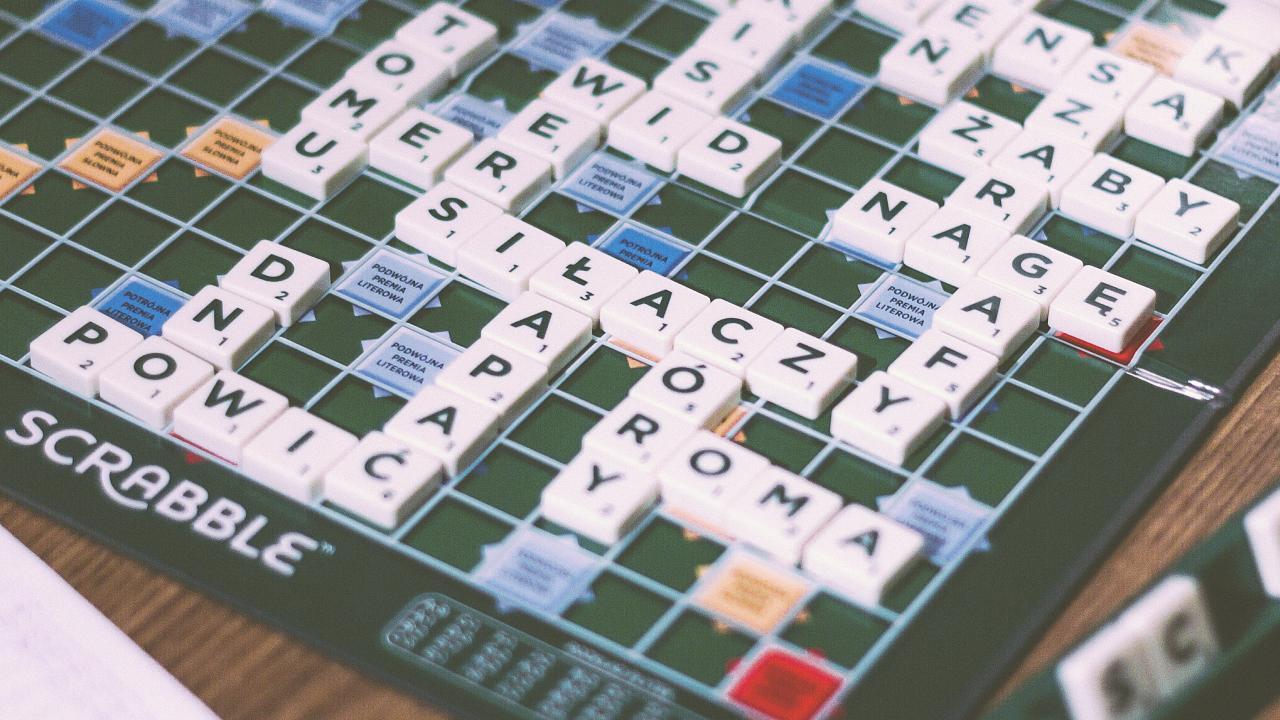
The 10 Most Common Words in the Scrabble Word Game are listed below.
-
AA: AA is a type of volcanic rock with a rough surface. It provides a quick way to use two A tiles when vowels clutter the rack.
-
AE: AE is a Scottish word meaning one. It allows for vowel dumping when multiple E tiles become problematic.
-
AI: AI is a three-toed sloth found in Central and South America. It is a vital tool for using an A and an I together in a single move.
-
AL: AL is an East Indian tree of the madder family. It facilitates plays near the board edges where space is limited.
-
AM: AM is a form of the verb "be" used in the first person singular. It connects easily with other letters to form words (HAM or JAM).
-
AN: AN is an indefinite article used before words starting with a vowel sound. It serves as a base for common terms (PANE or LANE).
-
AR: AR is the letter R itself. It is frequently used to bridge gaps between existing tiles on the board.
-
AS: AS is a word used to indicate a function or role. It fits perfectly into many crossword-style configurations.
-
AT: AT is a preposition indicating a specific location or time. It is a versatile entry that pairs with almost any consonant.
-
AW: AW is an exclamation used to express sympathy or protest. It is one of the few words that utilize the W tile effectively.
1. AA
AA is a foundation for several longer terms (AALII or AASVOGEL). Placing a B before it results in the word BAA. Adding an S to the end creates the plural form AAS. Players expand the term into CAABA or BAAED during mid-game maneuvers. Using UnscrambleX identifies these specific extensions for better scoring.
2. AE
AE serves as a prefix for words (AEON or AERIE). Adding a G at the beginning forms the word GAE. Placing a K before it creates the Scottish word KAE. Players utilize the term to build into RAES or HAES. It is a necessary entry for managing multiple E tiles on a rack.
3. AI
AI expands into many three-letter words (AID, AIL, and AIM). Adding an R to the end forms AIR. Placing a W at the beginning results in WAI. The word grows into longer entries (AITS or RAIA). It is a helpful tool for navigating board sections crowded with vowels.
4. AL
AL is the root for numerous common words (ALL, ALA, and ALE). Adding a P at the beginning forms PAL. Placing an S at the end creates ALS. The term extends into BALD, CALM, or ALMS. It provides a flexible base for building toward triple-letter scores.
5. AM
AM transforms into words (HAM, JAM, and RAM) with a single leading consonant. Adding an A at the beginning results in AMA. Placing an S at the end forms the word AMS. The entry expands into AMIE, AMMO, or AMID. It is a reliable term for connecting horizontal and vertical plays.
6. AN
AN is a precursor to common terms like ANT, ANY, and AND. Adding a B at the beginning forms BAN. Placing an E at the end creates ANE. The word grows into PANE, LANE, or DANE. It is one of the most versatile anchors for mid-board expansions.
7. AR
AR is the starting point for words (ARK, ARM, and ART). Adding a B at the beginning forms BAR. Placing an S at the end results in ARS. The term extends into BARK, CARD, or WARD. It is a frequent component of many high-scoring four-letter words.
8. AS
AS easily becomes HAS, GAS, or PAS with a leading consonant. Adding an H at the beginning forms HAS. Placing a T at the end results in AST. The word expands into CASE, BASE, or VASE. It is a necessary tool for making parallel plays near existing words.
9. AT
AT is a building block for words (BAT, CAT, and HAT). Adding an E at the end forms ATE. Placing a Q before it with a U creates QUAT. The entry grows into GATE, RATE, or FATE. It is a fundamental term for using the T tile efficiently.
10. AW
AW expands into words (AWL, AWN, and AWE). Adding an L at the end forms AWL. Placing a P at the beginning results in PAW. The term grows into FAWN, LAWN, or YAWN. It is a rare and valuable way to utilize the W tile in tight spaces.
11. AX
AX is the basis for words AXE and AXEL. Adding an E at the end forms AXE. Placing an S at the beginning results in SAX. The entry expands into AXES, AXIS, or AXON. It is a high-value word that helps players maximize the X tile.
12. AY
AY transforms into words RAY, SAY, and WAY. Adding a J at the beginning forms JAY. Placing an S at the end creates AYS. The term expands into PRAY, STAY, or CLAY. It is a primary method for playing the Y tile without other vowels.
13. BA
BA is a root for many words, such as BAG, BAN, and BAR. Adding a D at the end forms BAD. Placing a T at the end results in BAT. The word grows into BACK, BAND, or BARK. It is a common starting point for early-game board development.
14. BE
BE expands into words like BEE, BED, and BET. Adding a G at the end forms BEG. Placing an R at the beginning results in REBE. The entry grows into BENT, BEST, or BEAR. It is a core component for hundreds of different English combinations.
15. BI
BI is the prefix for words like BIN, BIT, and BIG. Adding an S at the end forms BIS. Placing a G at the end results in BIG. The word expands into BIDE, BIND, or BIRD. It provides a quick way to score points using the B tile.
16. BO
BO grows into words like BOB, BOX, and BOY. Adding a G at the end forms BOG. Placing a T at the end results in BOT. The term expands into BOLD, BONE, or BOAT. It is a versatile entry for utilizing the O tile effectively.
17. BY
BY is a root for words like BYE and BYRE. Adding an E at the end forms BYE. Placing an S at the end results in BYS. The term grows into ABY, BYES, or BYRE. It is essential for managing a rack when the letter Y is present.
18. DA
DA expands into words like DAD, DAM, and DAY. Adding a G at the end forms DAG. Placing a B at the beginning results in BDA. The word grows into DARK, DARE, or DASH. It is a common combination to use the D tile on the board.
19. DE
DE is a precursor to words like DEW, DEN, and DEY. Adding an L at the end forms DEL. Placing an R at the beginning results in REDE. The term expands into DEER, DEEP, or DECK. It is a frequent component of many longer verbs and nouns.
20. DO
DO grows into words like DOG, DOT, and DON. Adding a G at the end forms DOG. Placing an R at the end results in DOR. The entry expands into DONE, DOOR, or DOVE. It is a basic term that facilitates central board connections.
21. ED
ED is a suffix that extends words like BED, FED, and RED. Adding a D at the beginning forms DED. Placing an S at the end results in EDS. The word expands into EDIT, EDDY, or EDGE. It is a powerful tool for lengthening existing plays.
22. EF
EF expands into words like EFF and EFS. Adding an F at the end forms EFF. Placing an R at the beginning results in REEF. The term grows into DEAF, LEAF, or FEAF. It provides a method to use the F tile when vowels are limited.
23. EH
EH transforms into words like HEH and SHEH. Adding an H at the beginning forms HEH. Placing an S at the beginning results in SEH. The entry expands into EACH, ECHO, or ETCH. It is a useful way to place the H tile in small gaps.
24. EL
EL is a root for words like ELK, ELL, and ELM. Adding a D at the end forms ELD. Placing a B at the beginning results in BEL. The term grows into SELF, HELD, or MELT. It is a frequent entry in the common four-letter words.
25. EM
EM expands into words like EME and EMS. Adding an E at the end forms EME. Placing a G at the beginning results in GEM. The word grows into ITEM, STEM, or POEM. It is a versatile anchor for the M tile during play.
26. EN
EN is the basis for words like END, EON, and TEN. Adding a D at the end forms END. Placing a P at the beginning results in PEN. The term expands into BENT, SENT, or WENT. It is one of the most common letter pairings in the game.
27. ER
ER grows into words like EAR, ERA, and ERR. Adding an H at the beginning forms HER. Placing an S at the end results in ERS. The word expands into BARK, FERN, or GERM. It is a standard suffix for many nouns and verbs.
28. ES
ES expands into words like ESS and RES. Adding an S at the end forms ESS. Placing a P at the beginning results in PES. The entry grows into MESS, LESS, or BEST. It is a fundamental combination for using the S tile.
29. ET
ET transforms into words like NET, PET, and SET. Adding an A at the beginning forms ATE. Placing a G at the beginning results in GET. The word expands into METE, FETE, or BETE. It is a reliable base for building toward larger words.
30. EX
EX is a root for words like EXE and EXES. Adding an E at the end forms EXE. Placing a V at the beginning results in VEX. The term grows into NEXT, TEXT, or EXIT. It is a high-scoring entry that maximizes the X tile value.
31. FA
FA expands into words like FAD, FAN, and FAR. Adding a T at the end forms FAT. Placing a B at the beginning results in BFA. The word grows into FAST, FACE, or FATE. It is a melodic way to start a word with the F tile.
32. GO
GO grows into words like GOD, GOT, and GOB. Adding a T at the end forms GOT. Placing a D at the end results in GOD. The entry expands into GOLD, GONE, or GORE. It is a basic building block for common English terms.
33. HA
HA transforms into words like HAD, HAM, and HAS. Adding a D at the end forms HAD. Placing a P at the beginning results in PHA. The word expands into HARD, HARE, or HASH. It is a quick and easy way to use the H tile.
34. HE
HE expands into words like HEN, HER, and HEY. Adding an N at the end forms HEN. Placing an S at the beginning results in SHE. The term grows into HERE, HEAR, or HEAD. It is a core component of frequent pronouns and nouns.
35. HI
HI grows into words like HIN, HIS, and HIT. Adding an S at the end forms HIS. Placing a P at the beginning results in PHI. The entry expands into HIDE, HILL, or HINT. It is a simple way to utilize the H and I tiles.
36. HM
HM is the basis for words like HMM. Adding an M at the end forms HMM. The word is rare because it contains no vowels. The entry expands into OHMS when an O and an S are added. It is a unique tool for specific board situations.
37. ID
ID expands into words like LID, RID, and KID. Adding an A at the beginning forms AID. Placing a B at the beginning results in BID. The word grows into IDEA, IDOL, or IDLE. It is a useful term for the I and D tiles.
38. IF
IF grows into words like TIFF and RIF. Adding an F at the end forms IFF. Placing a K at the beginning results in KIF. The entry expands into LIFT, GIFT, or SIFT. It is a versatile word for using the F tile in the middle of a board.
39. IN
IN is a root for words like INK, INN, and BIN. Adding a K at the end forms INK. Placing a P at the beginning results in PIN. The term expands into BIND, FIND, or WIND. It is a highly frequent combination in many English words.
40. IS
IS expands into words like HIS, VIS, and SIS. Adding an H at the beginning forms HIS. Placing an S at the end results in ISS. The word grows into RISE, WISE, or DISH. It is a fundamental building block for hundreds of words.
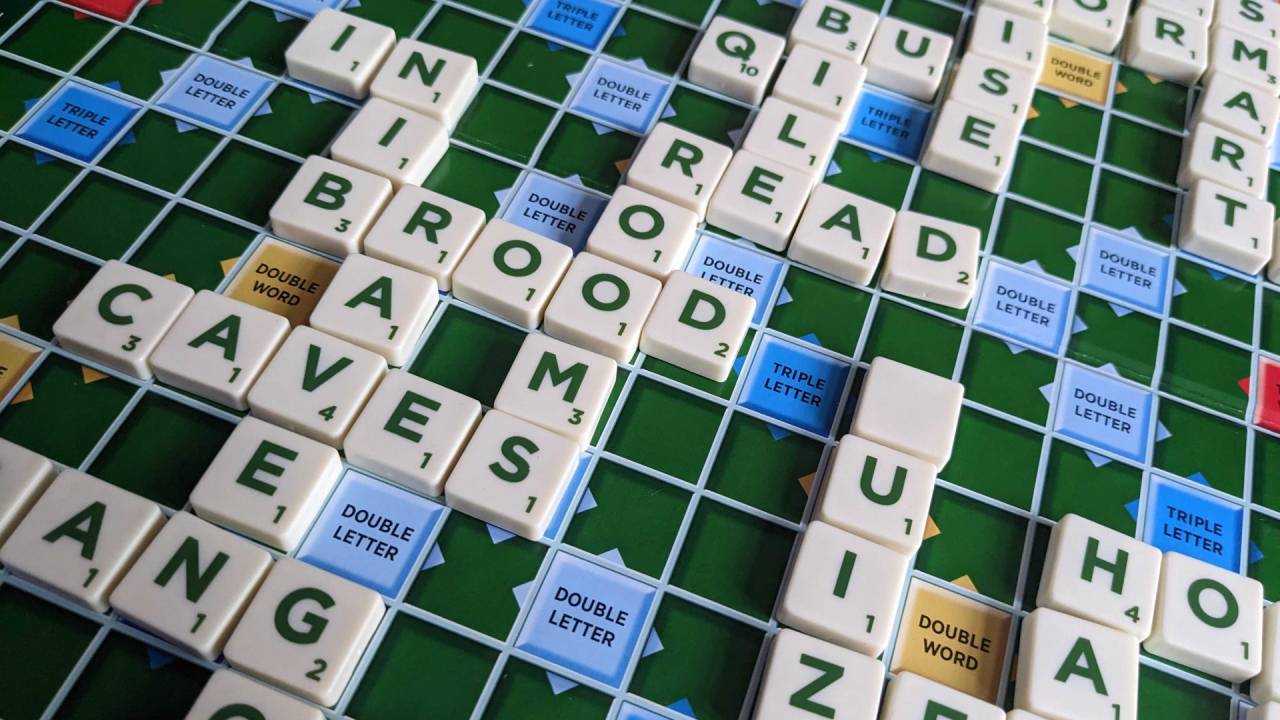
What to Know About Scrabble Strategies?
The things to know about Scrabble Strategies are listed below.
-
Two-Letter Word Mastery: Learning the full list of one hundred and seven legal two-letter words is the foundation for advanced play. Short terms allow players to fit words into tight spaces and create parallel scores.
-
Rack Balance Management: Maintaining a healthy mix of vowels and consonants ensures a player always has playable options. Successful competitors aim for a ratio of three vowels to four consonants on their rack.
-
Premium Square Utilization: Controlling the board coordinates for triple word and triple letter scores provides the largest point spikes. Players prioritize occupying the spots or blocking an opponent from reaching them.
-
Bingo Awareness: Using all seven tiles from the rack in a single turn grants a fifty-point bonus. Finding these long words requires a deep vocabulary and careful preservation of versatile letters (R, S, T, and E).
-
Endgame Tile Counting: Tracking which letters remain in the bag helps players predict an opponent's final moves. Knowledge of the remaining tiles allows for precise defensive play during the last rounds of the Scrabble strategies.
How do two-letter words improve board control in Scrabble?
Two-letter words improve board control in Scrabble by providing the essential structural support for parallel plays and tight board navigation. Short terms enable players to place tiles adjacent to existing words without creating illegal letter combinations.
Successful board control requires the ability to block an opponent's access to premium squares. Small words fill tiny gaps that prevent large extensions into triple word areas. Using the terms increases the total point value of a turn by counting letters in multiple directions simultaneously.
Competitive players memorize the full list of legal two-letter words. Combinations resolve difficult racks containing excessive vowels or consonants. Consistent use of short words maintains board flexibility throughout the match.
Why is rack balance important for consistent scoring?
Rack balance is important because it ensures a player remains flexible and capable of forming words during every turn. A rack cluttered with too many vowels or too many consonants severely limits the available moves on the board. Consistent scoring depends on the ability to draw new tiles that complement the letters already in hand.
Players aim for a ratio of three vowels to four consonants to maximize their chances of finding high-point plays. Holding onto common letters (R, S, T, L, N, and E) increases the mathematical probability of achieving a fifty-point bingo. Sacrificing a turn to exchange tiles is a valid strategy when the rack becomes unmanageable. Proper management of the letter distribution prevents long periods of low-scoring turns.
How should premium squares be used defensively?
Premium squares (Triple Word Score and Triple Letter Score) should be used defensively by preventing the opponent from gaining a massive point advantage. Defensive strategy involves placing tiles in a way that makes the bonus spots inaccessible to the next player.
Playing short words that end just before a triple word square is one effective method. Using low-value tiles to occupy a bonus spot, thereby denying it to the opponent, is another tactic.
Players avoid placing vowels or common consonants next to high-value squares to limit easy connections. Strategic blocking is more important than scoring a few extra points on a single turn. Denying access to multipliers keeps the game competitive and prevents a runaway lead.
When is the best time to exchange tiles?
The best time to exchange tiles is when a rack contains no playable words or creates only low-scoring prospects. The best time occurs when a player holds a lopsided distribution of vowels or consonants.
Trading letters is preferable to playing a two-point word that opens a triple word score for the opponent. Successful players exchange when they hold difficult combinations (Q and V) without an I. The action consumes an entire turn but improves the probability of a future bingo or high-scoring play.
Keeping three vowels and four consonants is the ideal goal for a balanced rack. Exchanging tiles late in the game when the bag is empty is impossible. Planning the trade while at least seven tiles remain in the bag is essential.
How does endgame tile tracking affect winning strategy?
Endgame tile tracking affects winning strategy by providing the mathematical certainty needed to block an opponent's final moves. Players subtract the known tiles on the board and their own rack from the total set of one hundred letters.
The resulting list reveals exactly what letters the opponent holds in their hand. Knowledge of the remaining tiles allows a player to close off specific board openings. Strategic blocking prevents the opponent from playing high-point letters (Q or Z).
Predicting the final plays of the match ensures a lead remains safe or identifies a path to a comeback. Accurate calculation of the remaining letter pool is a hallmark of professional play. Mastering the art of tile tracking distinguishes experts from casual players during the closing moments of a match.
Moderator, NoobFeed
Latest Articles
No Data.