
Nintendo Has Good Reason to Extend the Switch 2 Generation as Console Costs Continue to Rise
Rising hardware prices, longer game development times, and the success of the current lineup give Nintendo plenty of reasons to stick with the Switch 2 for years to come.
Nintendo by Tahmid Mahi on Oct 04, 2026
The gaming industry is entering an unusual period where moving quickly into another console generation doesn't seem nearly as appealing as it once did. With hardware prices continuing to rise and players already having capable systems, there is less reason to rush into an expensive upgrade. For many players, extending the lifespan of existing consoles could provide a better balance between cost, performance, and access to new games.
With the Nintendo Switch 2 launching in 2025, PlayStation 5 and XBOX Series X|S continuing to receive games, and PC hardware becoming increasingly expensive, there is a strong argument for keeping the current generation around for a long time. That stability also means players can continue enjoying new releases without feeling pressured to upgrade their hardware every few years.
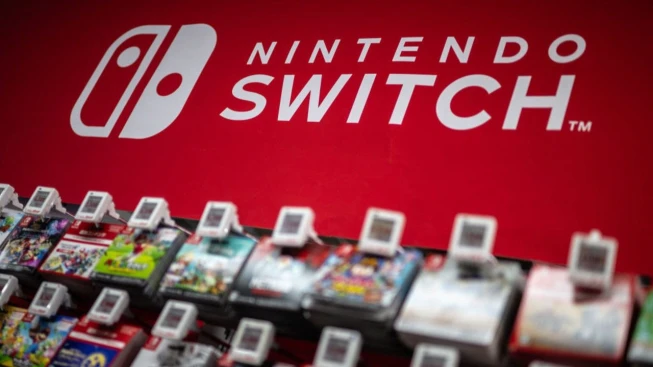
That idea makes even more sense when you look at how much hardware prices have changed.
Component costs have increased, while tariffs, inflation, and rising demand for memory because of AI are putting additional pressure on the industry. If the next generation arrives with significantly more expensive hardware, you could easily find yourself paying far more for a new console without necessarily getting enough of a difference in games to justify the upgrade.
Yoshida recently explained that Sony and Nintendo may already have enough current-generation hardware in the market and could delay their next systems because of rising costs. He also pointed out that players appear comfortable with the PS5 and Switch 2, meaning there isn't necessarily huge demand for more powerful machines right now.
That could matter especially for Microsoft and Sony if the rumored next-generation systems end up costing $1,000 or more. You will probably still have dedicated PlayStation and XBOX fans willing to buy them, but a large portion of the audience may simply stick with the hardware they already own.
Nintendo also has a reason to avoid rushing into a successor. The company has indicated that the Switch 2 is still in its early stages, with plenty of games and other plans still ahead. Even though Nintendo is almost certainly researching future hardware, that does not mean a Switch 3 needs to arrive anytime soon.
Technology companies constantly research their next products, but there is a major difference between developing future technology and actually preparing to replace the current platform. Nintendo can continue exploring what comes next while still giving the Switch 2 several more years to establish itself.
The economic situation makes a long Switch 2 generation even more important.
There are tariffs, taxes, inflation, and increasing RAM prices that are affecting the whole industry. And then you add in the demand for memory from AI and data centers, and that’s another layer. These conditions are not likely to change any time soon, which means companies may face higher manufacturing costs in the years to come.
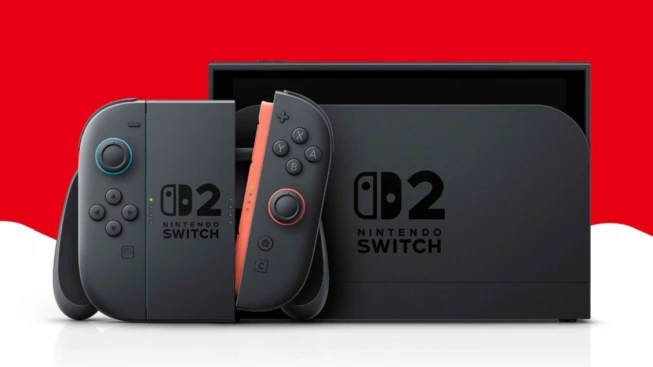
Nintendo may be trying to prevent even higher costs for consumers by stabilizing the Switch 2 generation. The system already sits around the $500 range with the Mario Kart bundle, so another major increase would make a future successor difficult for many players to justify.
A cheaper Switch 2 model might make more sense than replacing the platform altogether, especially if Nintendo can reduce component pricing over time. That would allow more players a chance to enter the current generation without forcing Nintendo to abandon the hardware and games it already has in place.
The bigger issue is that you are not necessarily seeing games that demand a $1,000 console. The current generation has plenty of impressive titles, but the jump in hardware power has not always translated into a similar jump in what games actually offer. If players are already satisfied with their PS5, XBOX Series X, Switch 2, or capable PC, convincing them to spend hundreds more on another system right away becomes much harder.
A longer generation would also provide Nintendo’s developers more time to create games without worrying about another hardware transition. The original Switch benefited enormously from its unusually long lifespan, receiving major releases throughout almost a decade. That extended period allowed Nintendo to continue developing large projects while the platform remained commercially relevant.
A prime example is The Legend of Zelda: Tears of the Kingdom.
The game launched on the original Switch rather than waiting for the next system, and it later received improvements on Switch 2. That gives players the option to enjoy the game on the hardware they already own while also letting newcomers experience an improved version on the newer system.
You also saw the benefits of the original Switch’s long lifespan through games such as Paper Mario: The Thousand-Year Door, Mario & Luigi: Brothership, and The Legend of Zelda: Echoes of Wisdom. Nintendo continued releasing first-party titles even as the platform approached the end of its life.
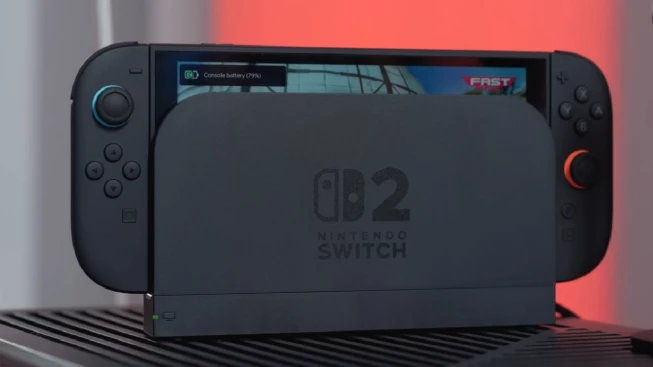
That same strategy could make the Switch 2 generation increasingly strong as it continues. Nintendo still has major games ahead, including a new 3D Mario, another major Zelda title, a new Animal Crossing, and future entries in series such as Splatoon and Super Smash Bros. The company also has Pokémon projects and other major first-party releases in development, meaning the current lineup is far from exhausted.
A long generation could also prevent the kind of gaps that appeared during the Wii U era.
Because that system’s generation was relatively short and commercially unsuccessful, Nintendo had to move games and development plans toward the Switch. The result was a period when the company had to manage ports and transitions rather than release a steady stream of projects designed specifically for the existing hardware.
The original Switch avoided much of that problem because Nintendo had enough time to prepare its next wave of games. As the Switch neared the end of its life, development teams could continue working on projects for the next generation. That helped the Switch 2 launch with a stronger lineup and could keep Nintendo supplying games throughout the platform’s lifespan.
Nintendo also has another option if it eventually decides it needs more power. Instead of launching an entirely new console generation, the company could create something like a Switch 2 Pro. Nintendo has done this before with hardware revisions like the DSi and New Nintendo 3DS, and the Game Boy Color also provided a more powerful version of the original Game Boy without entirely supplanting the platform.
Nintendo could potentially use a more powerful model for certain experiences without creating the disruption that normally comes with launching an entirely new console. This approach would also allow existing Switch 2 owners to keep their libraries while giving developers more room to push the hardware.
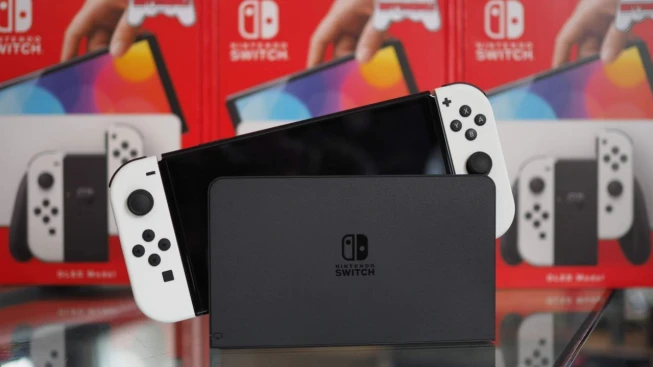
The company could therefore extend the Switch 2 generation without leaving itself stuck with the same hardware forever.
For now, the strongest argument is that the current generation still has plenty of life left. You already have established hardware, an audience that understands the platforms, and games that keep arriving. Replacing everything too quickly could force players to spend more money while giving developers less time to fully take advantage of the systems they are already working with.
The Switch 2 in particular has an opportunity to become one of Nintendo’s strongest generations if the company allows it enough time. The original Switch demonstrated how much value can come from a long platform lifespan, and Nintendo appears to have enough upcoming games to maintain that momentum.
With rising costs making new hardware harder to justify, keeping the current generation around for longer could benefit both Nintendo and the players who have already invested in it. It would also give Nintendo more time to maximize the hardware and its growing library of games.
Editor, NoobFeed
Latest Articles
No Data.