
PlayStation's Risky Bet on Next-Gen Gaming
How record profits and a focus on shareholder metrics might leave the PS6 isolated in an evolving gaming landscape.
PlayStation by Elme Dhee on Jul 13, 2026
When a company is obviously struggling, it has no choice but to change. It takes risks, listens more carefully, and remembers exactly why people cared about its product in the first place. But when a corporation is making record profits, selling tens of millions of consoles, and dominating its traditional competitor, it becomes incredibly easy to mistake financial success for strategic invincibility.
PS5 has sold exceptionally well globally, and with a massive base of monthly active users, Sony has an enormously successful gaming division. Nobody can seriously claim that the platform is currently dying or losing its footing, but the real challenge for the brand lies entirely within the transition to the next generation, where expectations will inevitably become much higher.
The Shift from Player Value to Player Extraction
Looking closely at the current direction of the brand reveals rising hardware prices, an obsession with recurring revenue, a confused PC strategy, and a push away from physical ownership. Sony is becoming better at monetizing its existing audience without necessarily giving the next generation of players a compelling reason to join the ecosystem.
The strategy makes perfect sense from an investor's perspective, in which the console is viewed as a gateway to player lifetime value through digital store purchases, subscriptions, and accessories. Sony is concentrating on monetizing its existing user base rather than chasing user growth at any cost in the modern market, a philosophy that increasingly defines its overall business strategy.
There is a distinct, subtle difference between building a platform that people genuinely love using and designing one purely to extract the maximum possible value from the audience already locked inside it. During the PS4 generation, the energy felt entirely different; it seemed like a constant, passionate effort to convince players that this ecosystem was, without a doubt, the most exciting place to play.
The current generation increasingly feels like the company knows millions of users are already locked into digital libraries, trophies, and subscriptions. The main priority has shifted toward determining how much more each person can be persuaded to spend, which yields brilliant financial results but does not automatically build long-term loyalty.
The Diminishing Returns of Hardware Power
The biggest challenge facing the PS6 is that improved graphics are no longer enough to sell a new console. We are reaching the point where every new console generation produces more technically impressive games, but the difference is becoming harder for the average person to immediately appreciate.
The transition from the original hardware to the PS2 was transformative, and the jump to the PS3 was obvious. Even the move to the PS4 offered players clear improvements in resolution, scale, and online functionality that justified buying the new box, making the upgrade feel worthwhile.
Because current games already look visually incredible, a pitch based on higher resolutions or better ray tracing becomes difficult when the hardware costs considerably more. Sony has acknowledged that rising component costs cannot be absorbed forever and that it does not intend to sell next-generation hardware at significant losses, suggesting the next box will be an expensive machine that needs a crystal-clear purpose.
The Trap of Corporate Game Design
The greatest advantage Sony has always possessed is its games, with past generations shaped by an enormous variety of exclusive software. Creative experiments, colorful platformers, and distinct genres existed alongside major cinematic releases that defined what the brand stood for. While the company still produces fantastic titles, the first-party strategy has become narrower, slower, and significantly more expensive.
Relying on one major tentpole release a year might look fine on a financial forecast, but it does not create the momentum a platform needs to feel alive throughout the year. Modern development has become so massive that a studio can disappear for over five years, forcing the final product to be a colossal mainstream success just to recoup the investment.
This discourages experimentation and crowds out the smaller, textured games that give a platform its unique personality. Chasing the live-service market through corporate strategy entails a massive opportunity cost, as engineering games purely for recurring revenue diverts resources from distinctive single-player experiences that traditional fans expect from the console creator. It also chips away at the very diversity that once defined the platform.
The Digital Dilemma and Declining Trust
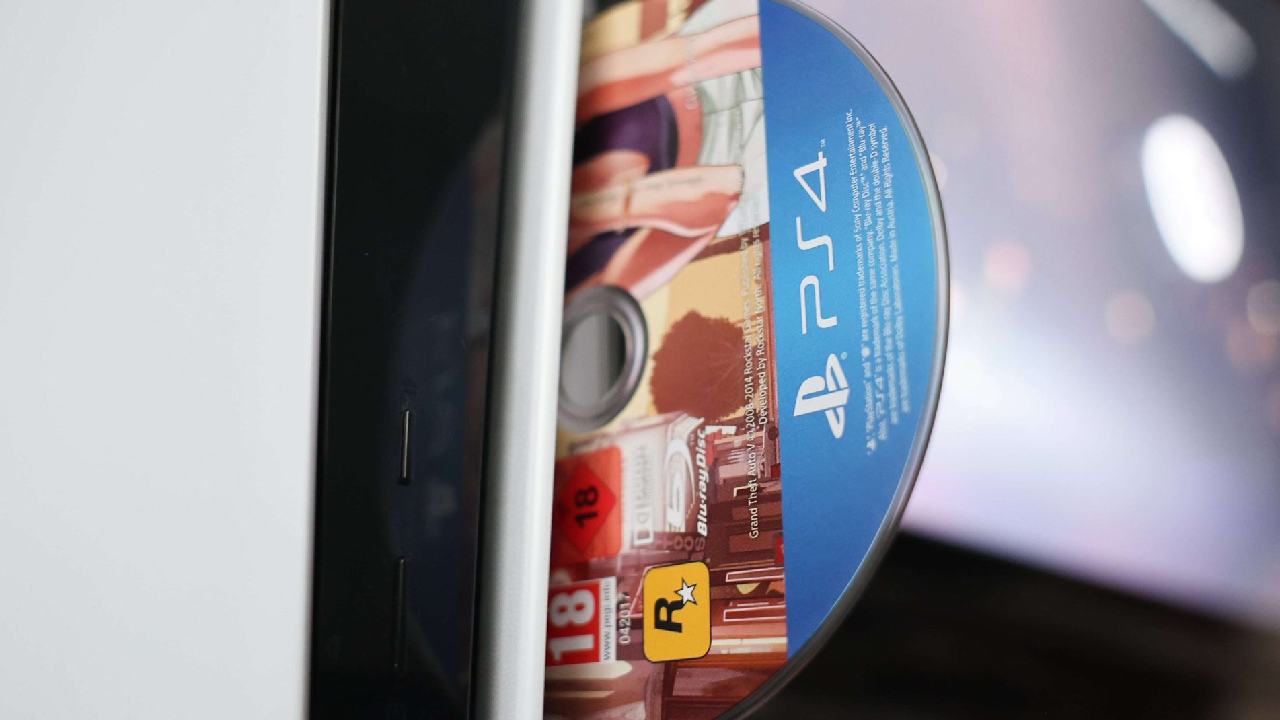
Shifting to an all-digital environment is a major strategic risk for the brand. Physical games create a healthy competitive environment that drives the market to offer cheaper options to players, allowing them to buy used copies, share games with friends, and host their own games. Without physical media, the platform holder becomes the sole shop, distributor, and gatekeeper.
Recent licensing issues that cause users to lose access to digital content highlight that digital buyers only have access for as long as corporations honor the arrangement. Asking players to trust this closed system with the entire future of their software library does not inspire confidence. Younger players might accept digital libraries as normal, but they are also highly aware of platform independence, PC storefronts, and subscription flexibility.
At the same time, this approach to PC gaming creates a pretty strange contradiction. Releasing games on PC definitely exposes these franchises to a much wider audience and pulls in extra revenue. However, trying to be both open and closed at the same time ultimately dilutes the need to own dedicated console hardware, especially for new buyers deciding where to play.
A Vision Beyond the Rectangular Box
Dominating a traditional console competitor does not mean the next generation is secure, as the old console war is rapidly becoming irrelevant. The platform is now competing with vast PC ecosystems, versatile handheld devices, mobile gaming, and diverse streaming services for limited free time in an increasingly crowded entertainment market.
The next generation will be won by the ecosystem that offers the clearest combination of affordability, convenience, identity, trust, and unmissable software. To secure its future, the company needs to launch its next hardware at a justifiable price point, guarantee strong backward compatibility, and revive a diverse release schedule that welcomes smaller, experimental projects.
PlayStation is too large, and its studios are too talented to collapse overnight, but being left behind can simply mean becoming an expensive, corporate platform dependent on an aging audience. If monetization continues to take priority over identity and creative variety, the brand risks entering the next generation believing it is the unquestioned leader, only to find the market has moved on.
Editor, NoobFeed
Latest Articles
No Data.