

Sony’s Project Canis Leak Reveals Next-Gen PS6 Handheld Power
Sony’s upcoming handheld combines powerful Zen6 CPU architecture with RDNA5 GPU for high-performance gaming in a portable form factor.
Hardware by Katmin on Dec 01, 2025
Sony's last fully functional handheld console, the PS Vita, came out almost 15 years ago. People are quite excited about a new Sony handheld because of the popularity of portable devices like the Nintendo Switch, Steam Deck, and ROG Ally.
While the PS Portal launched two years ago technically qualifies as a handheld device, it cannot run games locally, leaving a clear gap for travelers and offline gamers. Recent leaks surrounding Sony’s upcoming handheld, codenamed Project Canis, suggest that a major comeback may finally be on the horizon.
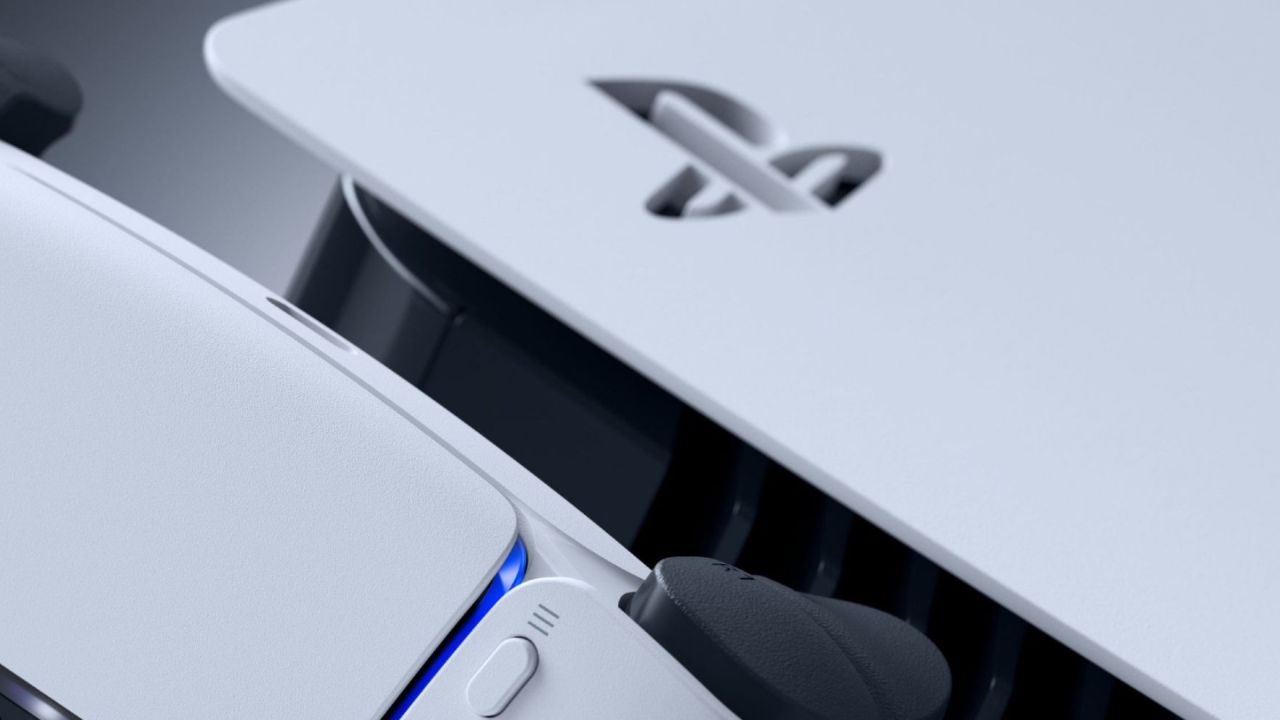
Performance Expectations and Hardware Leaks
According to trustworthy sources like Moore's Law Is Dead, Sony's new handheld might feature AMD's Zen 6 architecture built on TSMC's 3nm technology, which would make it similar to the PS6. There are rumors that the device will have six CPU cores: four high-performance cores for gaming and two low-power cores for running the system. Designed for efficiency, the handheld is expected to draw just 15W under load.
The GPU may include 16 compute units based on the new RDNA 5 architecture, offering an estimated 40%–50% performance boost over RDNA 3.5 at the same clock speeds. Expected frequencies include around 1.2GHz in handheld mode and up to 1.65GHz when docked.
Memory bandwidth is another standout, with a 192-bit bus running LPDDR5X at 8533MHz, potentially supporting as much as 48GB of RAM—though 24GB–32GB is seen as more realistic.
Projected performance targets include 55%–75% of the PS5’s rasterization capability in dock mode and an impressive 1.3x–2.6x uplift in ray tracing, all while using a fraction of the power the PS5 consumes.
Advanced Technologies Co-Developed with AMD
Sony and AMD have discussed several next-generation technologies that may appear in both the PS6 and the new handheld. These include:
Neural Arrays – Connecting GPU compute units for improved efficiency.
Radiance Cores – Dedicated hardware to accelerate ray tracing while reducing CPU load.
Universal Compression – A more efficient system for compressing game data, surpassing PS5’s current DCC system.
Although these features are still in experimental phases, their implementation could position the handheld as a highly capable machine, exceeding the PS5 in areas like ray tracing and efficiency.
.jpg)
Docking Capabilities and a Potential PS6
One of the most exciting rumors is the ability to dock the handheld and use it as a home console, similar to the Nintendo Switch experience. Docked performance could be 30% higher thanks to increased clock speeds and relaxed power limits.
Sony may also release a PS6, a dedicated home console variant using the handheld’s hardware minus the display, priced approximately $100 lower. This would mirror strategies previously used in the Xbox lineup, offering consumers a more affordable, compact home-only option.
Price Estimates
Based on current information, price predictions include:
$399–$499 for the handheld
$299–$399 for the PS6S home console
Considering that the PS Portal costs $200 without local gaming capabilities, these price points seem competitive—especially when compared to handheld PCs like the ROG Ally X, which retails around $1000.
Display and Battery Expectations
While performance sounds promising, the display may be more modest. Rumors point to a 1080p panel with either 60hz or 120hz, though 60hz appears more likely. It may reuse the PS Portal’s display, which offered accurate colors and good responsiveness but lacked OLED quality.
Battery life remains uncertain, but with a power draw of around 15W, estimates hover between 2–4 hours, depending on the battery size and performance mode. Sony may include multiple power profiles, allowing players to balance performance with longevity as needed.
The addition of the PS5’s new Power Saver Mode, which lowers clock speeds and memory bandwidth, appears tailored for a handheld environment and may be an early test for developers ahead of the handheld’s arrival.
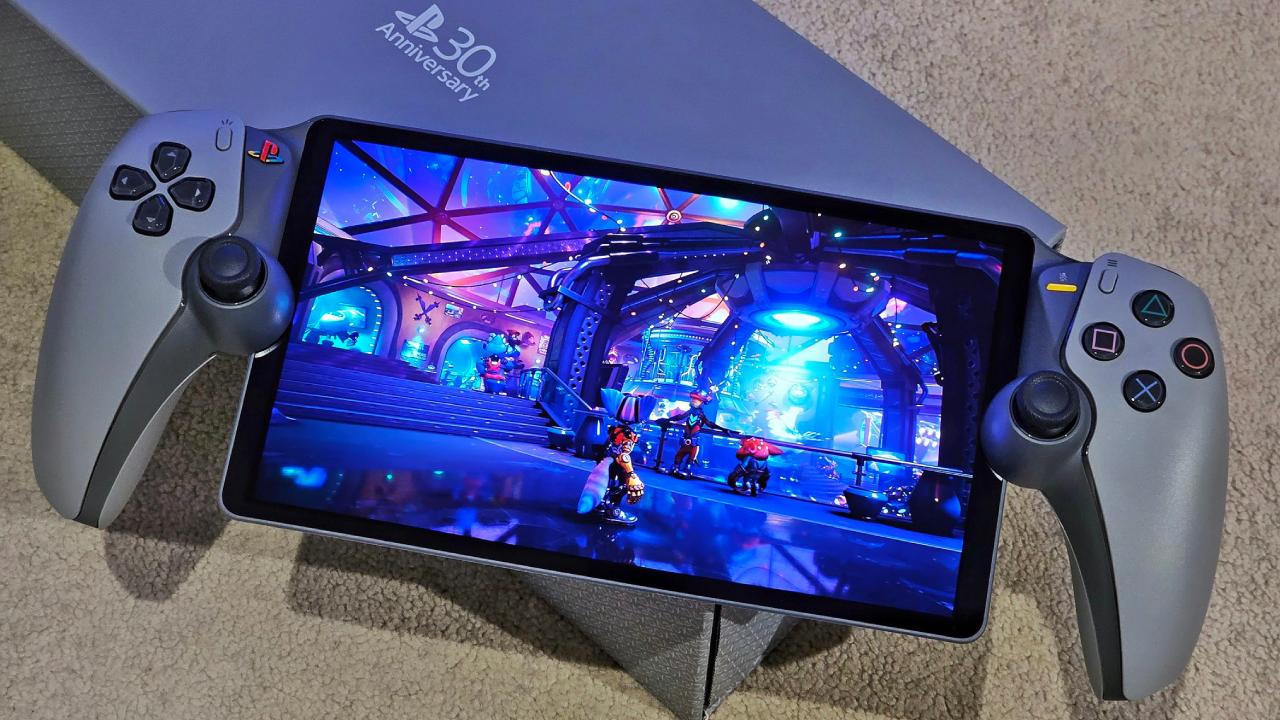
Design, Build, and Features
There haven't been any official leaks about the design yet, but it looks like it will be based on the PS Portal, maybe with a little more thickness to make room for cooling, a bigger battery, and better internals. Expected features are:
- Adaptive Triggers
- Haptic feedback
- Dual Microphones
- Better dual speakers
Possible extra storage space using an M.2 SSD, which may have a second slot
Works with PS5 and PS4 games that came out before it
If Sony keeps the Portal's comfort and looks while making improvements to things like audio and display quality, the handheld might provide a high-end experience.
Release Window
People say that making the handheld will start in the middle of 2027. A release is planned for late 2027, probably before the holidays and at the same time as the PS6. Launching as part of the PS6 ecosystem would be a smart move, as it would provide a single family of hardware for the next generation.
Final Thoughts
People are getting more and more excited about Sony's comeback to real handheld gaming. If Project Canis lives up to even some of the rumors that are going around, it might change what people expect from portable gaming and be a great deal for people who want to switch between handheld and home console modes.
Also, check our other Console articles:
- PS5 Pro vs. PS5 Slim: Frame‑Rate, Graphics & Performance
- PS5 Pro vs. Radeon RX 9060 XT vs RTX 5060 Ti: Ultimate $700 Gaming Showdown
- ASUS ROG Ally PS5 Remote Play | How to do Remote play on PS5 Using Sony's Official Remote Play App
- Stream PS5 Games on Steam Deck OLED: Step-by-Step Installation and Configuration
- AI Upscaling on PS5 Pro: Can PSSR Finally Match DLSS?
- PS5 Pro vs. PS5 Slim vs. PS5 — Design, Storage, Specs, and Gaming
- PS5 Pro vs. Xbox Series X: Specs, Price, Storage, Customization, and Gaming
- PS5 Pro vs. PC Gaming: Comparison of Graphics, Frame Rates, and Price
Senior Editor, NoobFeed
Latest Articles
No Data.