
PSSR vs. FSR 4 Upscaling on PS5 Pro and PC: Which Looks Better?
Comparative testing of PSSR and FSR 4 highlights performance, image stability, and detail retention across multiple popular game titles.
Hardware by Masaru Hoshino on Aug 14, 2025
Recently, a quick comparison was made between PSSR upscaling and FSR 4 upscaling in Marvel's Spider-Man 2 on PS5 Pro and PC. Curiosity was ignited by that quick test, which led to the decision to extend the experiment.
We used a capture card to document thorough comparisons across several games and investigate how each upscaler manages image reconstruction, stability, and fine details. While not claiming to match the precision of our analysis, these observations still reveal consistent differences and patterns in performance.
Final Fantasy 7 Rebirth
Final Fantasy 7 Rebirth was one of the first PS5 Pro showcases, demonstrating a notable leap over the base PS5. For this test, the versatility mode on PS5 Pro was compared to PC with all settings maxed and FSR 4 modded in via Optiscaler.
Although the in-game menu lists DLSS, Optiscaler converts it to FSR 3+ and then to FSR 4. On PC, FSR 4 was locked to an input resolution of 1080p, reconstructing to 4K at 50% resolution scale.
The PS5 Pro starts at 1080p but can scale up to 4K, often falling between 1080p and 1296p before reconstruction.
PSSR introduced a subtle, persistent film grain effect, even with film grain disabled in settings. It's more noticeable at the monitor viewing distance than on a TV. FSR 4, in contrast, delivered a stable, grain-free image.
While both upscalers traded blows in detail, FSR 4 maintained greater stability, especially with oblique angles and granular distant detail, where PSSR occasionally showed aliasing and breakup.
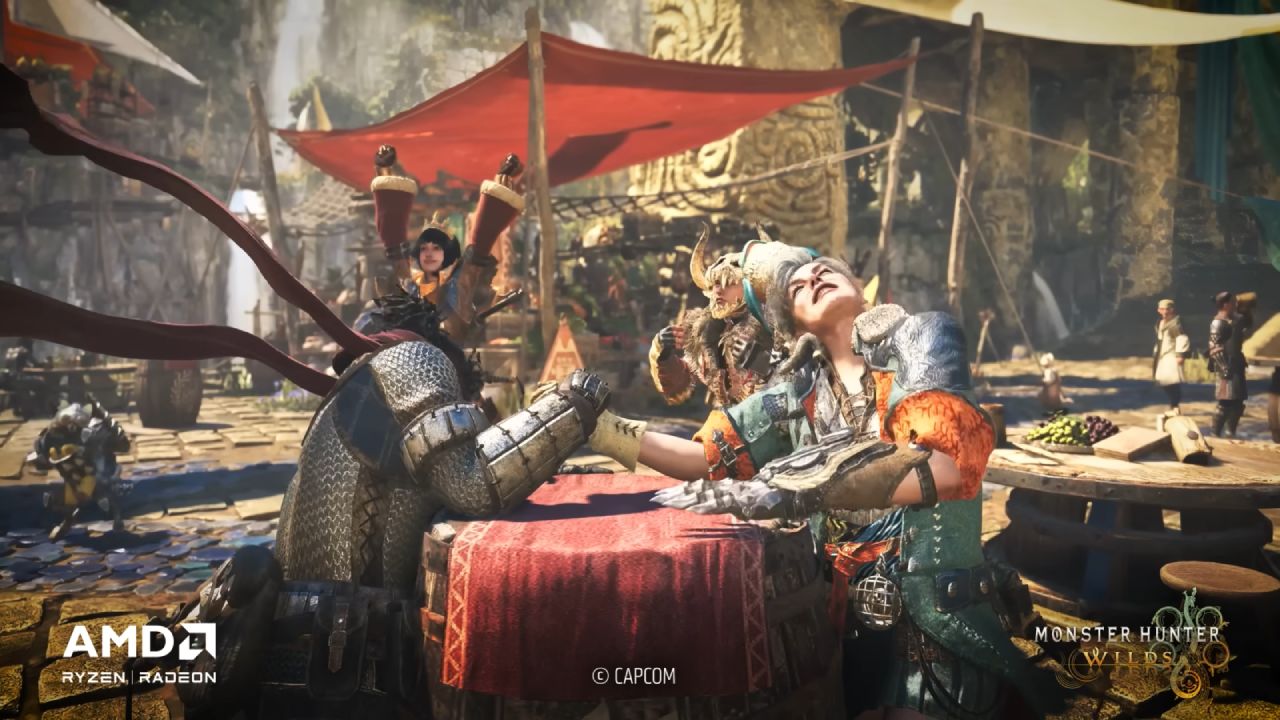
The Last of Us Part I & Part II Remastered
In both The Last of Us Part I and Part II Remastered, PSSR delivered its strongest showing against FSR 4. On PS5 Pro, Pro mode rendered at 1440p and reconstructed to 4K, while on PC, FSR 4 quality mode did the same with all settings maxed.
Both versions were oversharpened due to the Naughty Dog engine applying maximum sharpening during reconstruction, a setting absent on the base PS5 version.
The visual gap here was minimal. FSR 4 still held a slight stability advantage, but PSSR performed impressively thanks to a relatively high input resolution, no ray tracing, and pre-baked lighting. Both looked great in motion, with PS5 Pro's Pro mode being a clear improvement over the base PS5 performance mode.
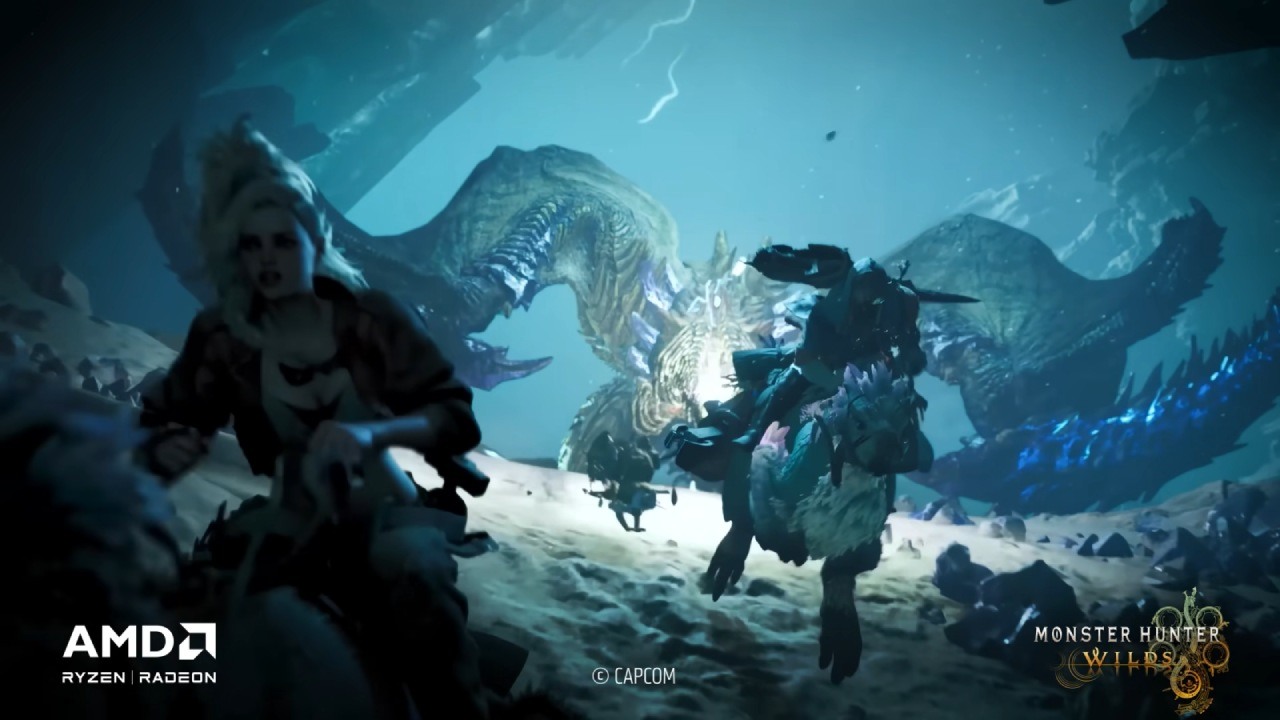
Marvel's Spider-Man 2
Returning to Spider-Man 2, the PS5 Pro version was tested in Fidelity Pro mode, rendering between 1440p and native 4K before reconstruction. The PC version used FSR 4 quality mode at 1440p to 4K, with settings maxed on both systems.
When scaling up the side of a building, both versions appeared close, though FSR 4 maintained slightly better stability. Viewing the cityscape exposed a bigger gap; FSR 4 consistently preserved more stability despite PS5 Pro's higher native rendering resolution.
The title screen background reinforced this, with FSR 4 again outperforming PSSR in stability. While PS5 Pro's PSSR is a clear improvement over the base console, FSR 4's edge in stability was consistent.
Hogwarts Legacy
Hogwarts Legacy in PS5 Pro's performance mode rendered at 1440p and reconstructed to 4K with ray tracing off. On PC, FSR 4 quality mode with max settings and ray tracing off was used. Again, FSR 4 proved more stable, though PSSR looked solid without side-by-side comparison.
The key difference lay in foliage within shadowed areas—PSSR showed instability here, likely due to early PSSR versions struggling with certain ambient occlusion types. This issue didn't appear with FSR 4.
When testing Fidelity RT mode on PS5 Pro, which increased the input resolution to around 1728p and enabled ray-traced shadows and reflections, the results came closer. FSR 4 still had a stability advantage, but PS5 Pro's higher input resolution slightly improved reflection clarity.
Star Wars Jedi: Survivor
Jedi Survivor proved the most challenging comparison. On PS5 Pro, performance mode with light ray tracing ran at a dynamic resolution between ~720p and ~900p, reconstructing to 1800p, not full 4K. PC used FSR 4 ultra performance mode, rendering at 720p and reconstructing to 4K.
Neither version looked great at such low inputs, but FSR 4's stability advantage from other tests carried over. PSSR suffered from foliage instability tied to ambient occlusion, an issue partially improved after a patch, but is still present.
FSR 4 avoided the splotchy effect but showed pixelation instead. At this low resolution, both upscalers struggled.
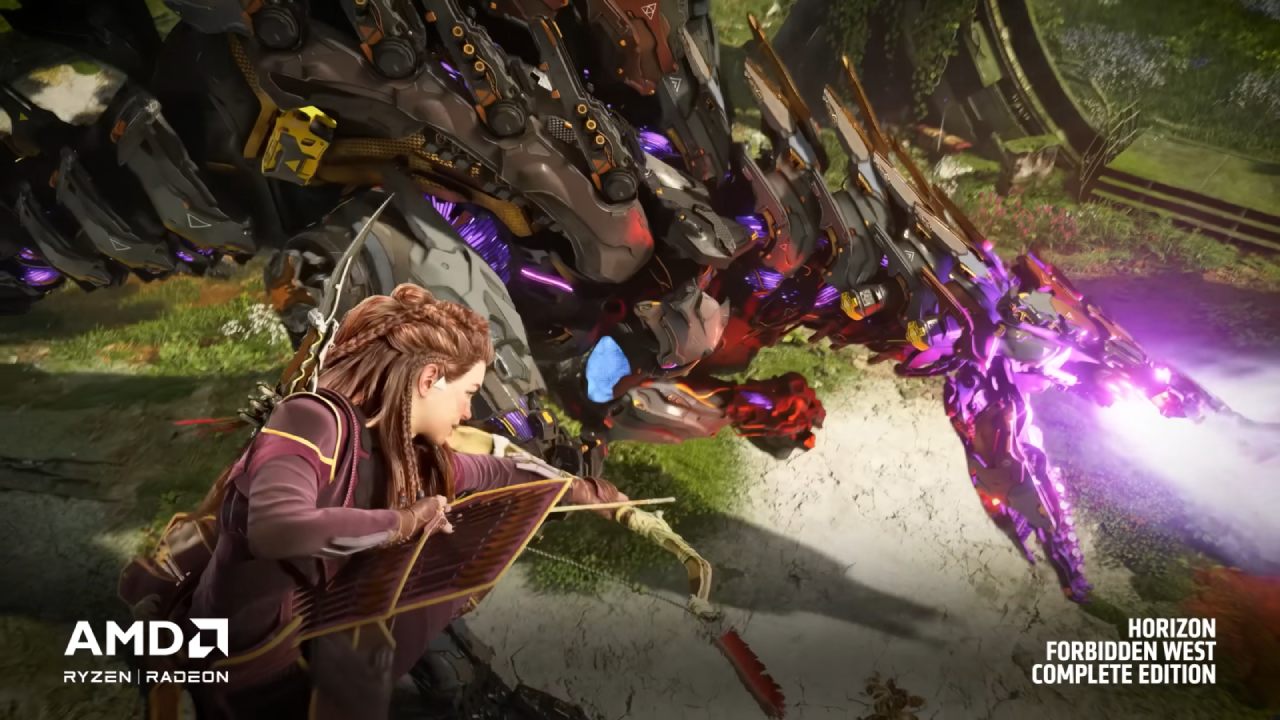
Key Takeaways
PSSR and FSR 4 are both AMD machine learning–based upscalers, but their approaches differ. The current PSSR is set to be replaced within about a year by a new version built on the neural network and training behind FSR 4.
While PS5 Pro's machine learning hardware differs from PC RDNA4 GPUs, meaning FSR 4 can't be directly ported, these results offer a preview of possible improvements.
It's reasonable to expect future PlayStation consoles, possibly PS6—to natively support FSR 4, FSR 5, or newer AMD technology.
For now, these tests highlight FSR 4's consistent stability advantage while acknowledging that PSSR, when implemented well and given higher input resolutions, can deliver strong results.
Check Our Other Upscaling Articles:
- FSR vs. XeSS vs. DLSS: Best Upscaling Technology for Gaming in 2025
- FSR 4 vs. DLSS 4 at 4K: A Detailed Comparison
- FSR 4 vs. DLSS 4 in 1440p Gaming: Visual Fidelity and Frame-Rate Uplift Analysis
- DLSS 4 Ray Reconstruction: Elevating Ray Traced Visuals with AI
- DLSS 4 vs. DLSS 3: How Transformer‑Based Upscaling Sharply Outpaces the Old AI Model
- AI Upscaling on PS5 Pro: Can PSSR Finally Match DLSS?
- DLSS 4 Balanced vs. Performance: Striking the Perfect FPS and Image Quality Balance
Editor, NoobFeed
Gaming Hardware Updates
No Data.