
Single-Player Games: How Committed Players Reshape the Modern Game Economy
A deep dive into how the 14% of players who buy and support story-driven, single-player games drive the business and culture of immersive gaming.
Opinion by Zahra Morshed on Oct 17, 2025
Matt Piscatella at Circana has found a very interesting pattern in the modern game economy. More than 60% of players only buy two games a year, and they usually stick to annualized titles like FIFA, Madden, Call of Duty, or NCAA Football. People pay the most attention to these games, while free-to-play games like Warzone, Fortnite, and Genshin Impact get people to play for fun.
For Sony and other platform owners, this group of people is a steady source of income through microtransactions, which shows how important ongoing live-service ecosystems are for business. Still, there is a committed minority that supports the growth of single-player games. Only 14% of players regularly buy more than one game every month. These are the players that first-party games are aimed at.
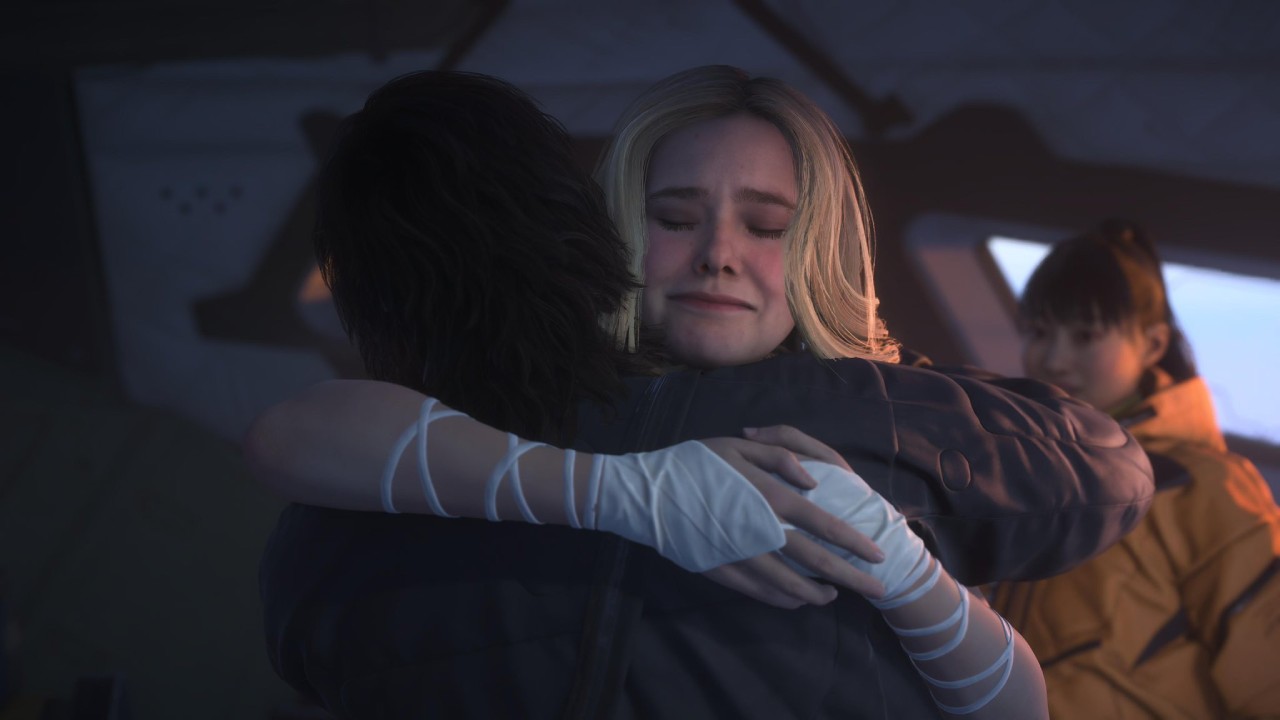
These gamers spend money on games with stories, like Oblivion Remastered, Metal Gear Solid Delta, and Silent Hill f. They choose to buy because they are interested, not because they are loyal to the brand. Even though this group only makes up a small portion of the total population, it is a huge base, which makes it commercially important for studios that make high-quality, story-rich experiences.
For first-party companies, the economics of this 14% are very important. Single-player adventures are what Santa Monica Studio, Naughty Dog, Sucker Punch, and Kojima Productions do best. This is shown by games like God of War, Intergalactic, Ghost of Yōtei, and Death Stranding 2. These games depend on the depth, polish, and replay value that a committed audience wants, unlike live services that focus on multiplayer. Without this dedicated group, projects with a lot of risks and big stories would have a hard time getting their budgets approved.
Buying habits show bigger trends in a business. A lot of serious gamers are picky and only buy things that really interest them. When a lot of games they want come out at the same time, like Battlefield 6, Silent Hill f, and Cronos: The New Dawn, they buy them all at once. This careful selection boosts sales and supports a way of life that values thoughtful buying. Some players are also waiting for changes or discounts that will happen after the game launches. This makes sure that the ecosystem has both instant and delayed engagement.
The strategic goals of publishers are shaped by this selective audience. Sony, for example, does well when it mixes big-budget live-service games with smaller, more carefully thought-out single-player games. By catering to this specific part of the market, first-party companies keep their creative freedom and make sure they can stay in business. The effect of each launch is maximized by carefully planning when, how much, and how to market the game. This is especially true when the games appeal to fans who are willing to pay full price for quality.
That same 14% is also what gives culture and critical value. A whole generation of gamers looks up to these players because they turn games like Wolverine, Mafia: The Old Country, and Battlefield 6 into experiences that define a genre. While most people are more interested in playing games with other people, a small group of very involved players is what keeps truly immersive stories and new ideas alive. Their backing tells developers that narrative ambition is still a worthwhile goal for business.
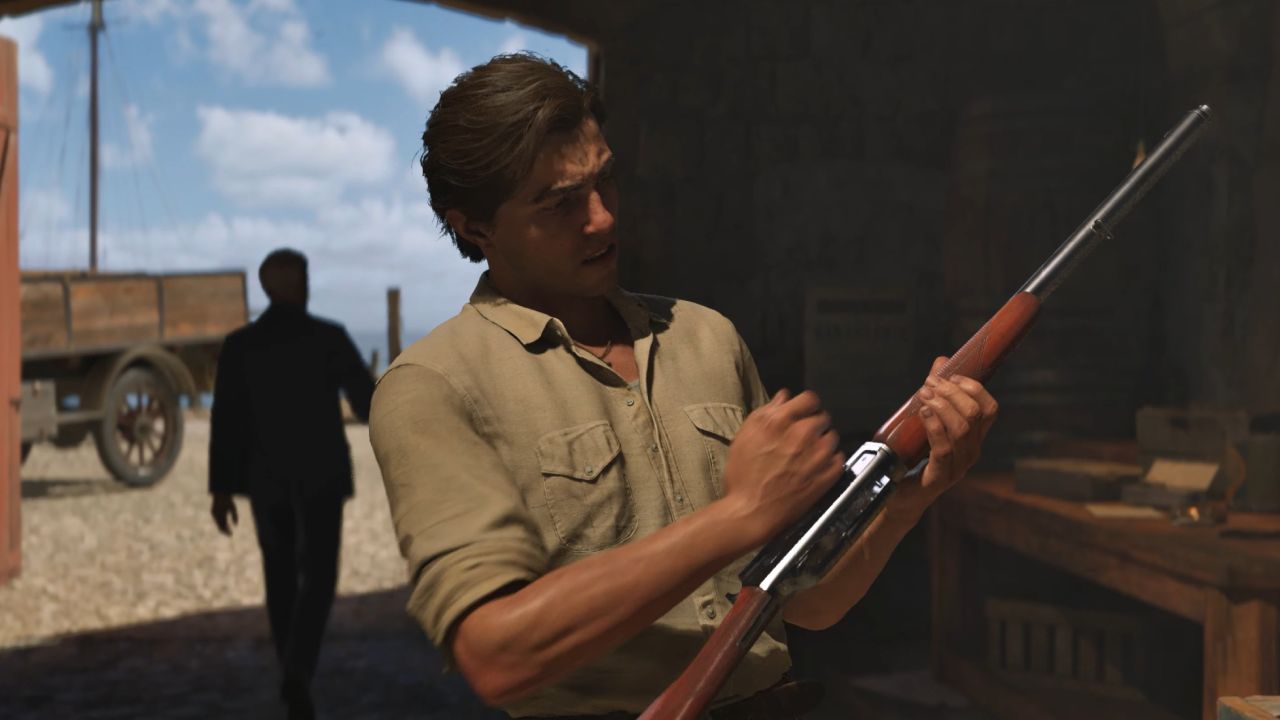
In the end, this data shows that the gaming business has two sides. Most customers are interested in well-known franchises and small purchases, which changes the way money is made. At the same time, a dedicated group keeps single-player games on the cutting edge of art and technology. Platforms, studios, and publishers that understand and cater to this group will be able to maintain both financial and artistic excellence across multiple generations.
It's a tough and selective world, but the top 14% have a lot of power. Because of their dedication, first-party studios can make the next generation of classic adventures, which keeps single-player games alive and well. The future of immersive gaming is safe, with deep worlds and memorable stories for years to come, as long as this audience continues to play, buy, and support story-driven experiences.
Contributor, NoobFeed
Latest Articles
No Data.