
Sony Physical Media Plans Raise Questions About PlayStation 6 and Digital Gaming
Sony's digital-first strategy continues fueling debate over consumer rights, backward compatibility, and long-term game accessibility.
PlayStation by Masaru Hoshino on Jul 17, 2026
Sony's alleged plan to eliminate disc-based physical media by 2028 has become one of the most divisive issues in gaming in recent years. Digital distribution has been growing for a while now. However, many players still prefer physical copies for ownership, preservation, resale, and long-term access.
Rather than fading away after the original announcement, anger has continued to mount as more players ponder what this means for future PlayStation hardware, backward compatibility, and consumer choice. The discussion has also shifted beyond physical discs, bringing up questions about Sony's long-term vision and how it will engage with its most loyal customers.
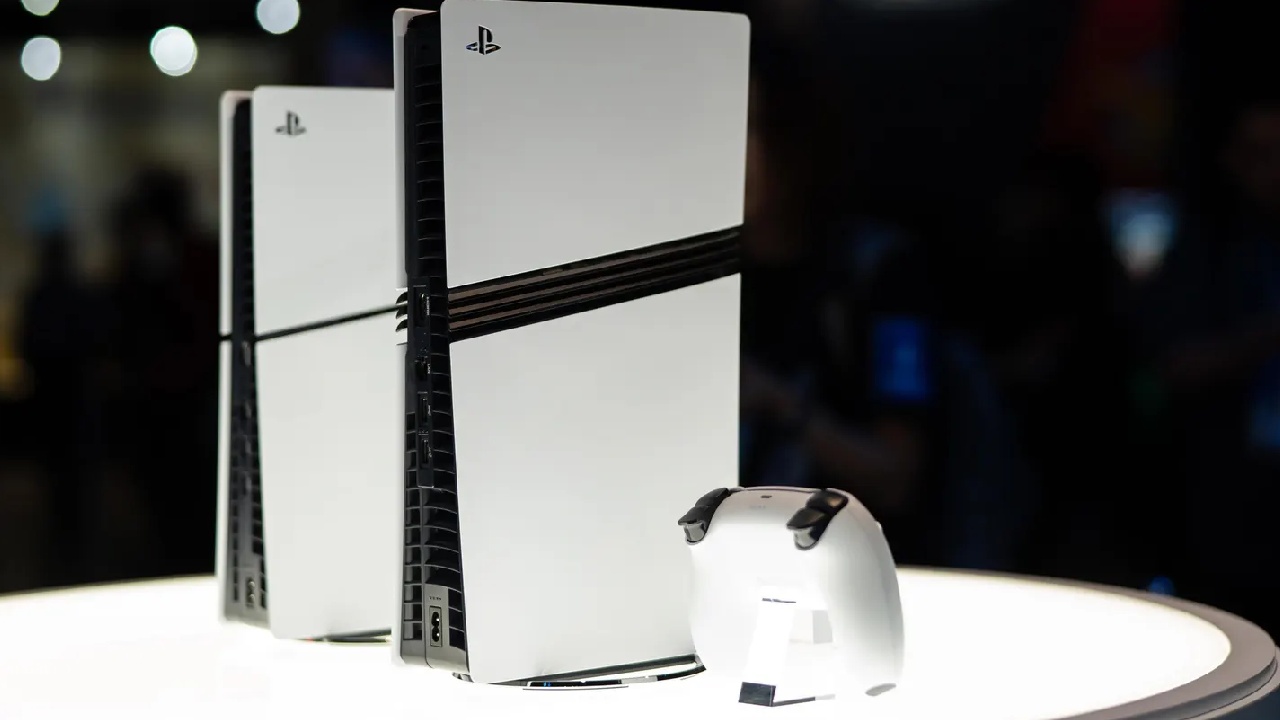
Don't Kill the Disc Petition Continues to Gain Momentum
Sony's rumored plans are facing pushback, and it doesn't look like that's going to slow down. The Don't Kill the Disc petition has already crossed 270,067 signatures, with more than 23,000 additional supporters in a single day.
The petition is a sign of growing resistance among gamers upset with Sony's shift away from physical media. The support has been impressive, but there is pessimism that the effort will truly sway Sony's decision. Sony has probably long ago locked into long-term plans that would be hard to undo, it is thought. Even so, the continued growth of the petition demonstrates that the controversy has remained active rather than disappearing after a few days of online discussion.
Players Want More Than a Brief Announcement
Many believe the biggest issue is not simply the removal of physical media but how the announcement was communicated. Instead of a thorough explanation, Sony is said to have implemented the change with a short blog post and then mainly stayed silent. A choice that permanently changes how users buy and own games feels big enough to deserve more clarity.
Rather than allowing the controversy to fade, every new social media post reportedly prompts reminders from players who continue to demand answers. The expectation is that Sony should explain how the transition will work and how existing customers will be affected, rather than assuming the community will eventually move on.
Digital Distribution Could Be a Financial Strategy
The discussion also focused on why Sony may be pursuing this direction. Console sales are not growing as quickly as they used to, and future PlayStation hardware is projected to be more expensive. Perhaps Sony is not working to grow the audience, but rather to extract more money from its existing audience. In a totally digital economy, the retailer is removed from the sales process.
Sony still takes its normal cut from third-party digital purchases. Still, it receives 100% of the revenue from its own first-party titles sold through the PlayStation Store. From a business perspective, the company may believe that higher digital revenue will outweigh the number of customers who leave the platform due to the loss of physical media. While financially understandable, many believe that strategy comes at the expense of consumer choice.
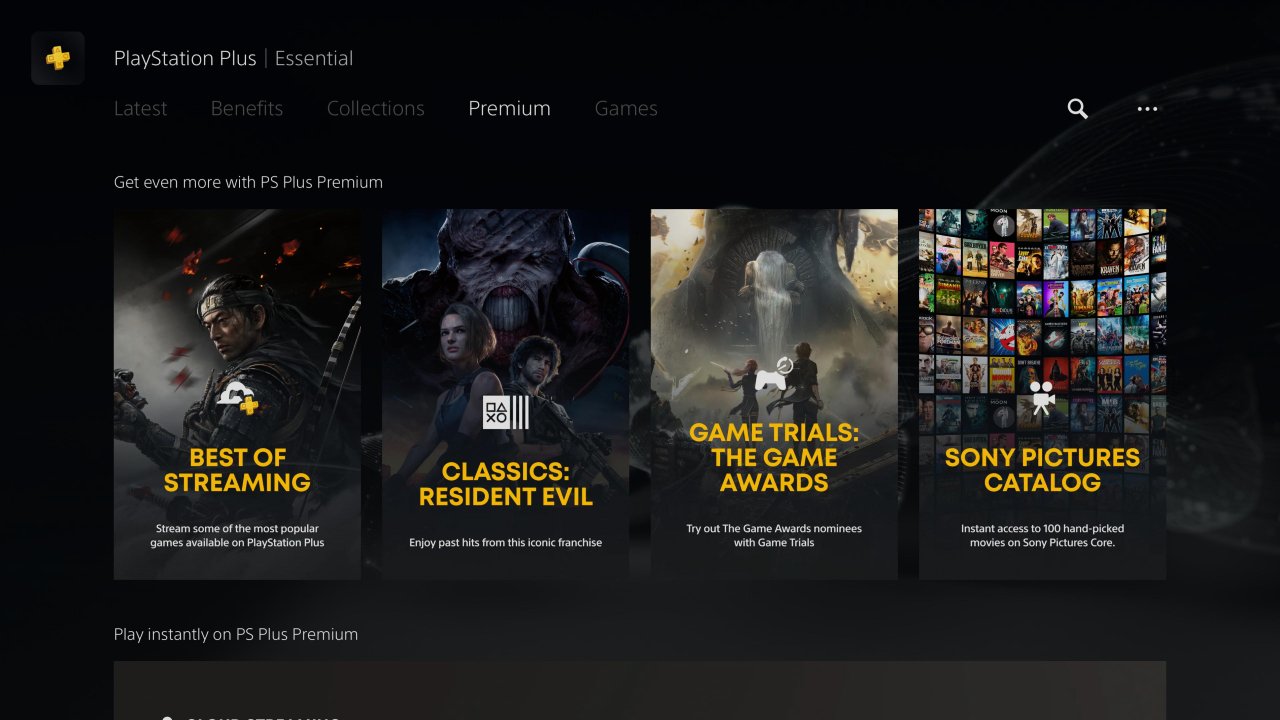
Why Backward Compatibility Matters
One of the biggest concerns centers on future PlayStation hardware. If PlayStation 6 launches without an optical drive, players naturally wonder what will happen to the physical games they continue to buy today. Backward compatibility has become a hallmark of current consoles, allowing gamers to bring their existing libraries forward and often enjoy increased performance.
Without clarification from Sony, uncertainty alone may discourage future physical purchases. If existing discs cannot be used on future hardware—or if players are expected to purchase digital versions again—the company needs to communicate those plans well before the next console generation arrives.
More Players May Consider PC Gaming
The controversy is also influencing future purchasing decisions. Some will stick to gaming but buy future titles on PC rather than PlayStation. PC gaming is likewise mostly digital, but many would argue that it remains the more open platform, offering greater long-term flexibility and stronger protections for ownership.
Some dedicated players have reportedly already begun investing in PC hardware, including handheld devices like the Steam Deck, viewing them as a safer long-term platform if digital ownership becomes unavoidable. The argument is not that PC offers physical media, but that digital purchases on an open platform provide greater confidence than relying entirely on a closed ecosystem.
Communication Has Become Part of the Problem
Another recurring criticism involves the way large corporations now communicate with customers. Companies are now selling important changes in increasingly glossy language that frequently seems far removed from what consumers are worried about. Sony looks to have adopted a similar strategy with its physical media.
Many old-school PlayStation aficionados remember when corporate executives were more visible and more direct with players. Today, statements seem more corporate, and there is little follow-up after significant decisions. That change has fed some of the angst over the present debate.
Could PlayStation's Future Look Different?
The future hardware of PlayStation was also speculated about during the conversation. Some feel Sony's next-gen approach could, in fact, be mainly centered on a digital-only world, especially if a dedicated handheld is part of its future lineup. Of course, a handheld console would be digital-download only, no physical discs.
There is also speculation about future hardware specifications, including possible memory configurations ranging from 16GB to 20GB. While those rumors remain unconfirmed, they reinforce the idea that Sony may be preparing for a significantly different hardware strategy than previous console generations. Even so, few expect Sony to abandon dedicated PlayStation hardware entirely.
Physical Alternatives Appear Unlikely
Some players continue hoping Sony could replace discs with another physical ownership format, such as cartridges, authentication cards, or digital key devices similar to those used elsewhere in the industry.
Technically, those solutions remain possible. However, many believe Sony's broader objective is not simply to replace discs but to eliminate physical ownership options. By moving entirely to digital distribution, the company gains greater control over software sales while maximizing revenue through its own storefront.
Whether that strategy ultimately succeeds remains uncertain. Many believe Sony expects much of today's backlash to fade before future hardware is officially revealed. However, if rising console prices are combined with the removal of physical media, the long-term reaction from players may prove far more significant than the company anticipated.
Editor, NoobFeed
Latest Articles
No Data.