
Steam Frame and Android XR Devices Signal the Next Major Shift in VR and Smart Glasses
Steam Frame compatibility updates, reprojection improvements, and Android XR support signal a major shift in standalone VR gaming performance standards.
Hardware by Masaru Hoshino on May 19, 2026
The VR and XR industry is entering a major transition period as standalone headsets, smart glasses, Android XR devices, and next-generation gaming hardware continue evolving at an aggressive pace. Valve, Meta, Qualcomm, ASUS, Xreal, and Google are all pushing toward lighter form factors, higher refresh rates, improved reprojection systems, and broader application support.
Recent updates surrounding the rumored Steam Frame, Meta smart glasses, and Android XR hardware suggest that competition in the immersive computing space is accelerating rapidly.
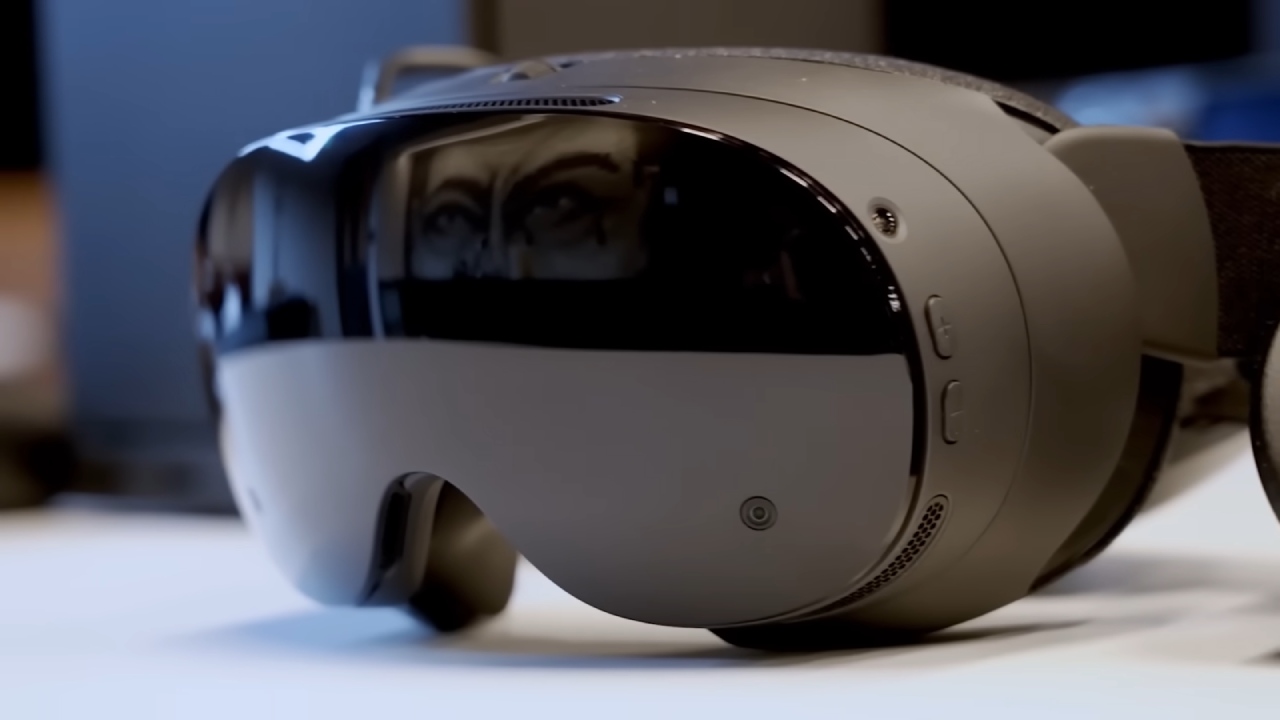
Valve Quietly Updates Steam Frame Compatibility Requirements
Last week brought major updates regarding the Steam Frame, as Valve quietly updated the headset's requirements and information. Fingers remain crossed that the hardware will arrive soon, especially now that Qualcomm has also started featuring it directly on its website.
The biggest change came from Valve updating the review criteria for Steam Frame compatibility ratings. Similar to the Steam Deck, games that run perfectly will receive a "Verified" badge, allowing users to purchase and play them directly on the headset in standalone mode. If some configuration is required or certain features are missing, the game will receive a "Playable" status. Titles that fail to function properly or do not meet performance standards will be labeled "Unsupported."
Earlier in the year, Valve announced that games needed to maintain at least 90 fps to receive the Verified badge. However, Valve silently adjusted those requirements, and honestly, the changes seem better overall. Games now need to run at a minimum of 72 fps at 1728x1728 during normal gameplay.
That reduction from 90 fps to 72 fps is not necessarily a negative development. Most Quest titles already target 72fps, which is considered the minimum acceptable standard in VR. The truly interesting part lies in Valve's recommendation regarding reprojection techniques.
Valve strongly recommends developers submit both motion vectors and depth data suitable for reprojection. While this does not automatically affect verification status, it enables users to optionally run games at the headset refresh rate using improved reprojection methods.
Reprojection Could Push Steam Frame to 144Hz
For those unfamiliar with VR rendering, reprojection effectively doubles the frame rate by predicting motion from head movement. If a user moves closer to an object, the system predicts the next frame without fully rendering it. If movement occurs to the left or right, the image shifts accordingly to simulate smoother motion.
This technique becomes particularly important because the Steam Frame reportedly supports refresh rates up to 144Hz. Running games at a baseline 72Hz and doubling through reprojection would effectively achieve 144Hz output. That is a smart approach from Valve.
Dropping the baseline target from 90 fps to 72 fps could actually result in smoother experiences if reprojection is implemented properly. While VR reprojection methods have not always been perfect, Valve appears to be significantly improving the technology.
The resolution requirements are also notable. The accepted minimum resolution is 1728x1728 pixels, likely to ensure the images won't appear blurry on the screen. If developers fall below that threshold, games receive a Playable badge rather than a Verified badge. However, dropping below 1440p results in an Unsupported rating, which is significant given that 1440p was once the standard for older-generation VR headsets, including the Valve Index.
Valve also created a performance criteria overlay that allows developers to test games directly on the Steam Frame. The overlay automatically displays which badge a game would receive based on its performance metrics.
SteamOS, Proton, and Android Game Support
One of the most exciting aspects of the Steam Frame involves software compatibility. Valve detailed how standalone support will function using multiple compatibility layers.
Windows games will run through Proton, the same compatibility solution already used on the Steam Deck. Since SteamOS on the Steam Frame reportedly runs on ARM architecture, Proton uses FEX translation technology to convert x86 applications into ARM64-compatible software.
Valve is also using another compatibility layer, Waydroid, to run Android APKs directly on Linux-based SteamOS. That possibility is massive because Quest games are fundamentally Android APK files. Existing tools already allow Quest applications to run on other XR hardware, meaning the Steam Frame could potentially support sideloaded Quest titles in the future.
Support for the Steam Frame was also added to Unreal Engine 5.8. Native compatibility includes support for VR rendering efficiency and Variable Rate Shading. Variable Rate Shading enables the system to render detail only where the user is looking, thereby reducing GPU workload.
VR sets higher performance demands than traditional gaming, and this is already a challenge for Unreal Engine. Seeing Valve collaborate directly with Epic Games on native engine support is a strong sign that the hardware is progressing quickly.
Another potentially important hint came from Qualcomm, featuring the Steam Frame directly on its website. Qualcomm normally announces devices that will be coming to partners or vendors near the end of the road, so this is a really interesting one. The Steam Frame reportedly uses the Snapdragon 8 Gen 3 chipset, further reinforcing expectations that the launch timing may not be far off.
ASUS and Xreal Push Gaming Smart Glasses Forward
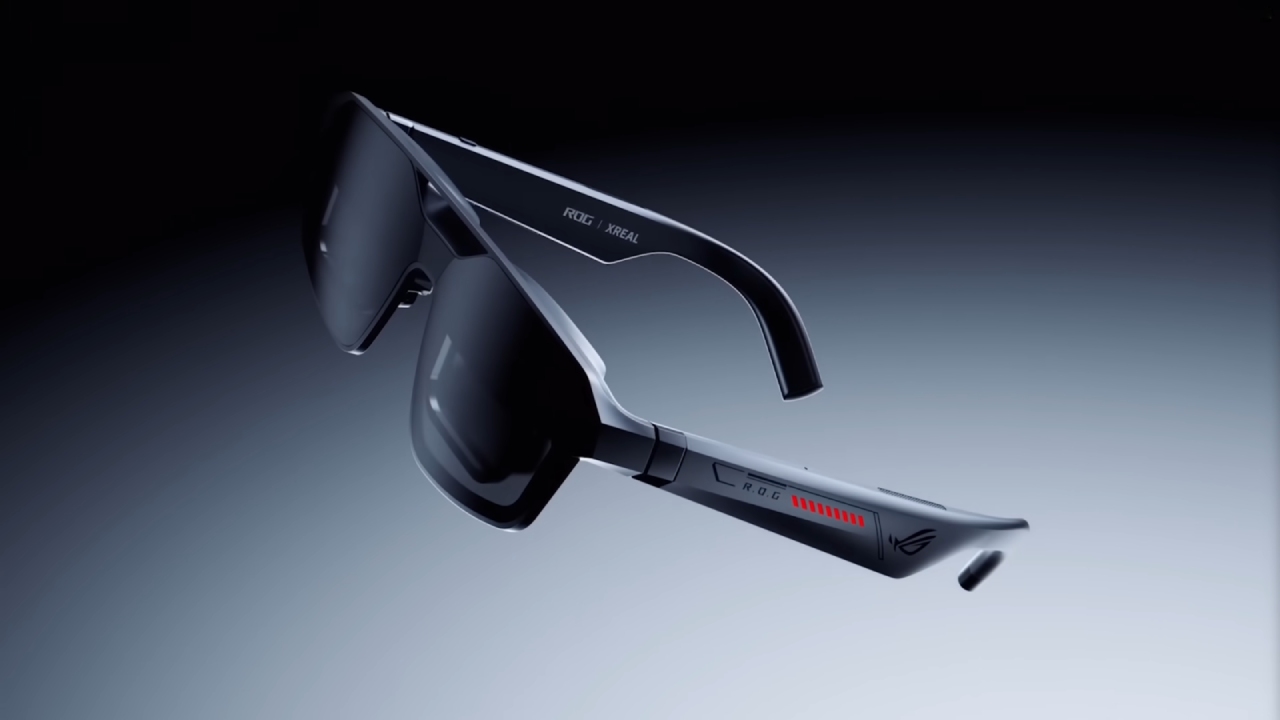
ASUS also officially started pre-orders for the ROG Xreal R1 smart glasses, developed in collaboration with Xreal. The glasses were unveiled at CES earlier this year and stand out for their extremely high refresh rate.
The ROG Xreal R1 supports 240Hz refresh rates alongside a photon latency of just 3ms, which is extremely attractive for gaming applications. The glasses run the same software ecosystem as existing Xreal devices, including the ability to pin virtual screens in fixed positions within 3D space.
An optional $100 add-on enables 6DoF tracking support, while a dedicated dock allows direct DisplayPort connections to PCs. The glasses also use Micro-OLED panels designed to significantly improve image quality.
However, pricing remains a major concern. At $849, the ROG Xreal R1 enters extremely expensive territory for glasses that still operate at 1080p resolution, even with improved optics, better software, and ultra-high refresh rates.
Xreal is also preparing Project Aura, an Android XR-based device expected to receive a larger reveal during Google I/O. The standout feature is reportedly a 72-degree field of view, pushing much closer to true VR territory. Project Aura will reportedly include a processing puck similar to Samsung's Android XR ecosystem.
.jpg)
Meta Expands Smart Glasses Software Features
Meta also released one of the biggest updates yet for its Ray-Ban smart glasses platform, finally enabling app support. Initially, Meta avoided enabling app functionality on the glasses, but developers can now upload applications and experiment with web apps directly on the hardware.
The update enables video playback, streaming applications, and external phone-connected experiences directly through the glasses. Developers have even demonstrated Doom running on the hardware using Meta's neural band controls.
Despite software improvements, the hardware still faces criticism for comfort issues and the single-display setup. However, software expansion could become far more compelling once future versions adopt dual-display systems.
Meta's broader focus on smart glasses also became increasingly obvious ahead of Meta Connect, scheduled for September 23 and September 24. Promotional materials and leaked images heavily emphasized hardware concepts focused on glasses.
There is still hope that Meta may eventually reveal a lightweight VR media headset resembling traditional eyewear. Companies across the XR industry are rapidly exploring slimmer form factors that seemed impossible only a year ago.
With AI becoming the dominant focus across the tech industry, smart glasses appear poised to become Meta's next major hardware category, especially given the growing popularity of its Ray-Ban Meta products.
Editor, NoobFeed
Gaming Hardware Updates
No Data.