
Steam Machine 2026: Rising Memory Costs and Price Predictions Explained
Why the Steam Machine’s Success Depends Entirely on Competitive Pricing in a Volatile PC Hardware Market.
Hardware by Tanisha Aria on Feb 24, 2026
The long-awaited return of Valve to dedicated game hardware has run into a big problem. Prices and release dates for the new Steam Machine, Steam Frame, and Steam Controller have not been announced yet because the costs of memory and storage are rising across the board.
It looked like an exciting addition to the Steam ecosystem at first. Still, the market is harsh now, which raises tough questions about viability, pricing strategy, and even whether some of these goods will come to market at all.
Pricing Problem That Changes Everything
The main problem with the Steam Machine is easy to see: the price. It can't just be priced based on how much it costs to make. People need to be able to afford it. A product may have a good reason for being expensive, but that doesn't mean it will sell.
Valve said at first that the Steam Machine would be priced like a PC with similar specs, rather than being funded like a console. That is, they wouldn't buy gear that they knew they would lose and then buy it back through the Steam store. That pricing method worked when the parts' prices were fixed. The market doesn't allow it to work right now.
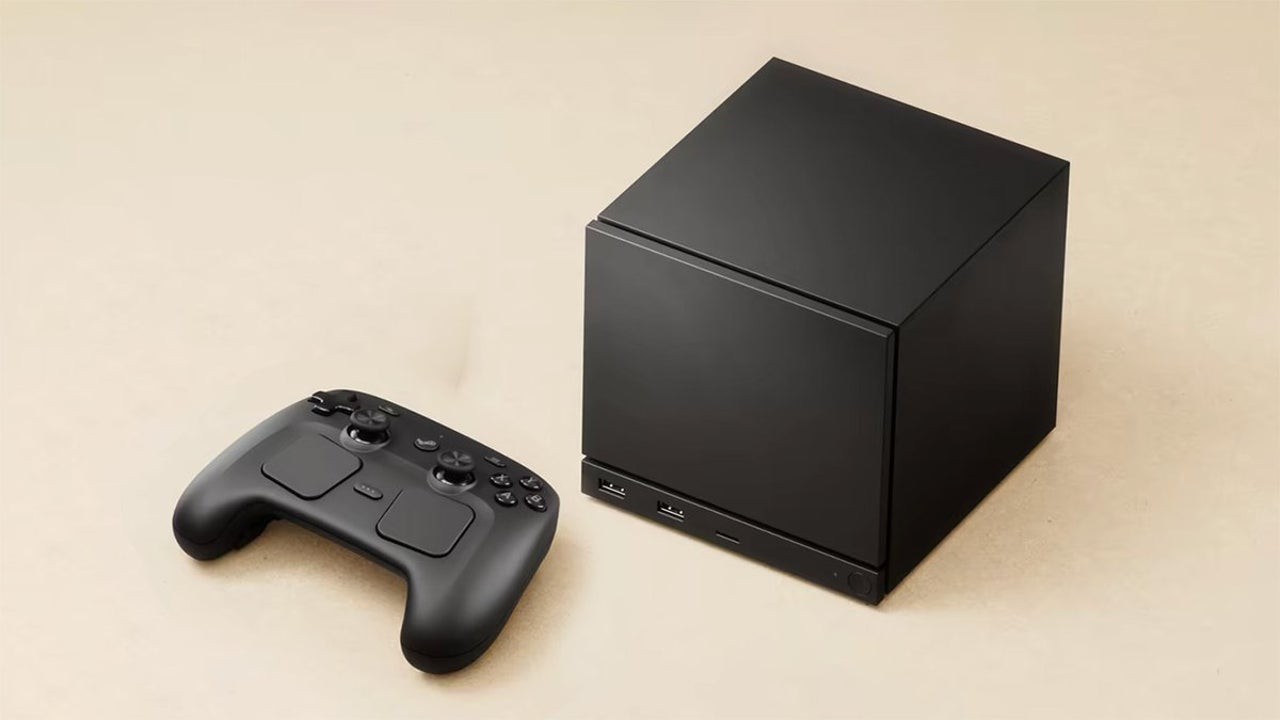
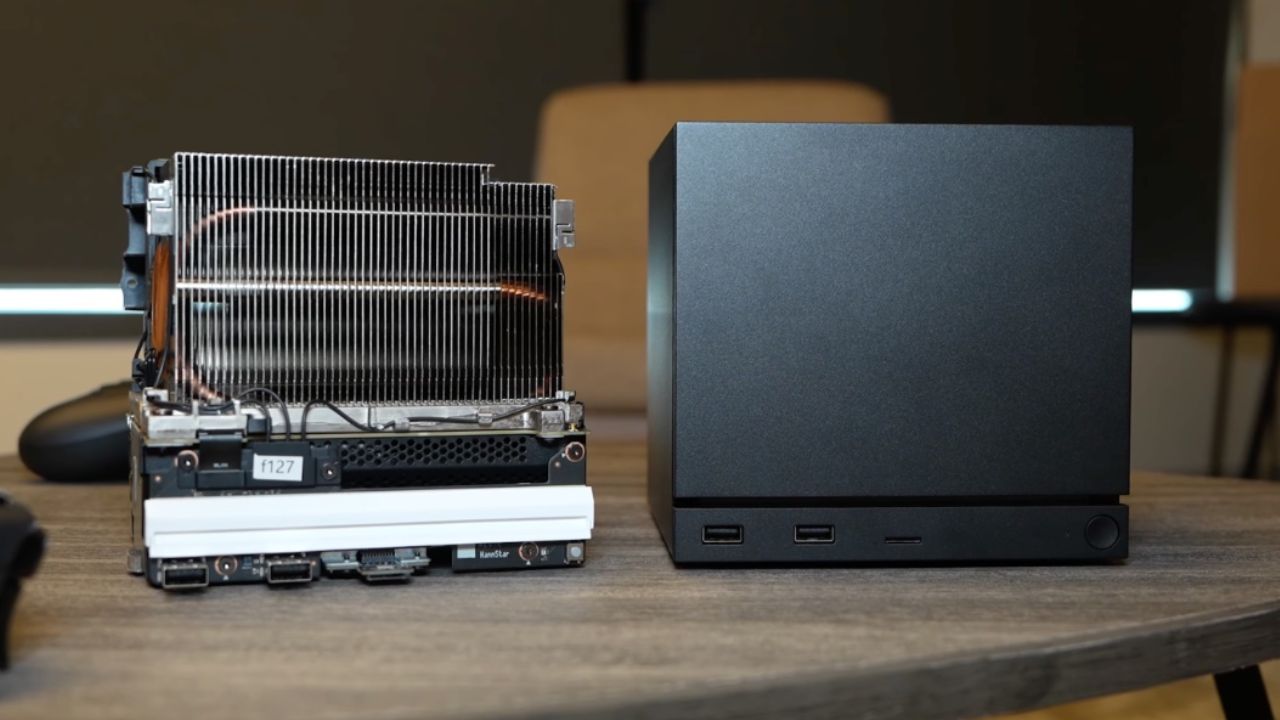
This is a small-form-factor game PC with a GPU in the RX7400 or RX7600-class, a Zen4 CPU, 16GB of RAM, and either a 512GB or 2TB SSD for storage. Even though it's not cutting-edge, this is still good gear. The problem is that the prices of memory and storage have risen significantly.
Memory Crisis and AI Demand
The memory loss has gotten much worse, much faster than anyone thought it would. So far this year, industry experts say memory costs have gone up by as much as 90%, and it's only February 2026. It's only been five weeks, but the damage is already very bad.
Just to give you an idea, a 32GB DDR5 kit that sold for about $80 a year ago now costs around $325. That tells the whole story. This is just the cost of memory. When you add in shipping, packaging, and final assembly, the price rise is even bigger.
Laptop memory SODIMM is used in the Steam Machine, while fixed LPDDR5 is used in the Steam Frame. Both groups will have to deal with these price increases. Around 2027, companies such as SK Hynix, Samsung, and Micron are likely to increase production. However, that may only be to meet rising demand driven by AI and not to lower prices for consumers.
It's not just RAM that's broken. The price of SSDs has also risen significantly. At the end of last year, a 2TB SSD was much cheaper. Now, it costs more than $200. A big chunk of the total bill of materials is made up of storage and memory, and both have gone up sharply.
From Optimism to Reality: Revised Price Estimates
At first, price predictions seemed achievable. We used to think that the 512GB model would cost around $499 or $529, and the 2TB model would cost around $649. Those estimates were based on the prices of parts in late 2025 and Valve's goal to keep them at the same price as similar PCs.
These numbers now look way too good to be true.
RTX 5060-class GPUs and DDR5 memory used to cost $750 to $800, but now they sell for $900 or more. Even so, these kinds of arrangements are becoming less common. Many computers costing less than $900 still use DDR4 memory instead of DDR5. The tech in these computers is two generations old.
Given current market conditions, a reasonable price for the 512GB Steam Machine might be around $899, but even that may be too high. It gets even trickier with the 2TB model. Because SSDs cost more than $200 each, the total price could increase significantly.
Some estimates say the 512GB model will cost $999, and the 2TB model will cost $1,500. At those numbers, the Steam Machine might stop being known as an easy way to start playing PC games.
Product That Lives or Dies by Value
It was exciting to think about the Steam Machine because it offered a simple, console-like experience without Windows, all wrapped up in a clean SteamOS interface. It seemed like an easy way to get into PC games. It would have been easy to suggest if you could have found one for less than $500.
When the price hits $999, the whole talk changes.
You might want to think twice before spending that much on old gear, even if it's small. Valve has to decide whether to take on some of the costs, raise prices significantly, or delay the launch until things settle down. There are risks on every road.
If they cost a lot when they first come out, sales might stop. If they keep waiting, momentum will fade. They could get confused and angry if they price early units lower and later batches higher.
The steam frame and steam controller were hit by enemy fire.
The Steam Machine gets most of the attention, but the Steam Frame has the same problems. It comes with 16GB of LPDDR5 memory and 256GB or 1TB of disk space. It's scientifically interesting as a stand-alone VR headset with twice as much VRAM as the Quest3. But soldered memory makes it harder to find cheaper units.
On the other hand, the Steam Controller is different. It doesn't have much memory and shouldn't be as price-sensitive. If the Steam Controller came out on its own, we'd probably buy it right away. It might be a good step forward while plans for bigger systems become more stable.
Valve clearly sees these goods as being a part of an ecosystem that works together. The controller works perfectly on all of them. Support for microSD cards makes it easy to move libraries. Splitting launches might go against that goal, but it might be necessary in this case.
Lessons from the Original Steam Machines
Strangely, this is like Valve's first try at Steam Machines in 2014 and 2015. That project started with a lot of excitement and many business partners, but it didn't catch on with many people.
Now, the difference is your power. Valve doesn't let other companies set prices and directions for its products. They have full control over where these goods are placed. That power gives them hope, but it doesn't protect them from the truth about how much parts cost around the world.
It's possible the Steam Machine won't come out at all if the price of hardware keeps rising. A $1500 small-form-factor PC with 512GB of storage would have a hard time showing why it should exist.
Could Pricing Eventually Make Sense?
There's a very small chance the price of gaming PCs could rise so significantly that a $999 Steam Machine seems like a good deal. But that would mean there is a bigger problem with PC games in general.
Prices will be harder to guess the longer Valve waits. It would have been best to launch in early 2026. If you wait any longer, you might end up in an even more unstable land. Around 2027, efforts to add more memory are expected. Still, there is no guarantee that prices will drop significantly for consumers.
Final Thoughts
Valve has to make a tough choice. The Steam Machine needs to be cheap enough to attract users while still making money in a market that is skewed by AI-driven memory demand and rising storage prices. At this point, it seems like there are only two options: launch at a high cost or wait forever.
The Steam Controller and maybe even the Steam Frame still have a chance, but the Steam Machine's future doesn't look bright. PC gaming is going through a tough time right now. We can only hope that the parts markets return to normal and that Valve finds a way to make hardware that feels exciting rather than shaky.
Also, check our other hardware articles:
- AMD Ryzen 9 9950X3D Review: Setting The Standard For 2025 Gaming CPU
- Amazon Luna 2025 Review: Is Prime Gaming's Cloud Service Your Go-To For Casual Fun?
- AMD RX 9070 XT Review: AMD's RDNA 4 Champion for 1440p Gaming
- GeForce Now Ultimate: Ditching Your Gaming PC For Cloud RTX 4080 Power?
- NVIDIA GeForce RTX 5080 Review (2025): Still A 4K Gaming Powerhouse?
- Intel Core Ultra 9 285K Review And Performance Breakdown (2025)
- AMD Ryzen 7 9800X3D Review: 3D V-Cache Goes God Mode with Stunning Gaming Performance
- Intel Core Ultra 9 285K vs AMD Ryzen 7 9800X3D: In-Depth Gaming Performance and Benchmark Comparison
- NVIDIA GeForce RTX 5080 Super Performance In Cyberpunk 2077: Path Tracing & DLSS 4.0 Tested
- AMD Radeon RX 9070 XT In Cyberpunk 2077: Ray Tracing & FSR 4.0 Tested
- Intel Arc B580 Review: The $250 GPU Revolutionizing 1440p Gaming
- Intel Arc B570 Vs. B580: Value, Specs, And Real-World Gaming Performance
- RTX 5090 Laptop Vs. M4 Max MacBook Pro: Ultimate Raw Performance Vs. Battery Endurance
- Intel Arc b580 Vs. RTX 4060: Game Performance And Value Analysis
- RTX5090 Hell Is Us Demo 4K Ultra Benchmark: DLSS Vs. Native Performance Guide
- NVIDIA RTX 5070 Review: Mid-Range Muscle or Marketing Hype?
- Nintendo Switch 2 Review: Handheld Performance, Features & Value Breakdown
- RTX 5070 Ti Review: Performance, Thermals & Power Efficiency Tested
- Samsung Odyssey OLED G81SF Review 2025: Ultimate 32-Inch QD-OLED Gaming Monitor
- AMD RX 9070 Performance Review: Thermals, Clocks, and Real-World FPS
- AMD Ryzen 5 7600 Review: Best Budget Gaming CPU of 2025?
- AMD Radeon RX 7800 XT Review: RDNA 3 Power For Midrange Gaming
- Asus ROG RTX 5090 Astral OC Vs. Founders Edition: The 4K Gaming Benchmark
Contributor, NoobFeed
Latest Articles
No Data.