
Valve Strategy Explained How SteamOS and Steam Machine are Changing PC Gaming
SteamOS adoption rises as hardware requirements and operating system limitations reshape user decisions across the gaming ecosystem.
Hardware by Shinji Okazaki on May 06, 2026
As platforms, operating systems, and hardware ecosystems come together, the gaming industry is changing. There is more to the competition than just tools these days. But they are also competing on long-term platform usage, software ecosystems, and user retention.
As new technologies emerge, there is a growing trend toward replacing operating systems, making them more efficient and easier to access without forcing hardware changes.
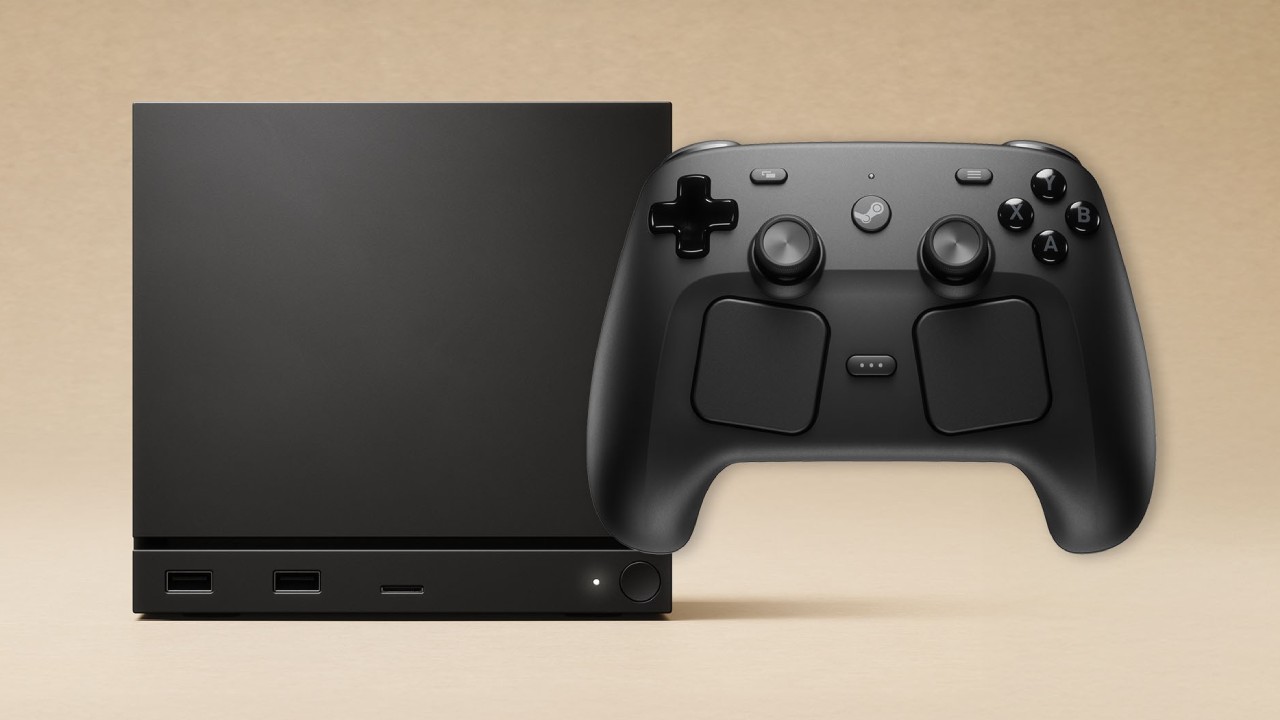
The Steam Controller Surge and Market Reaction
The response to the launch of the Steam Controller has been tremendous. Its price, design, and trackpads were criticized by many people, who said they would not purchase it. However, it was sold out in 30 minutes. It was almost impossible to check out, and scalawags were eager to sell units online. It was not a comprehensive system or a big hardware platform, merely a $100 controller, but demand was higher than anticipated.
It is possible to observe a pattern in which Valve is better off being passive or taking action. The response is increased when it acts. That begs the question of more than a single product.
A Shift To Platform Control, rather than Console Competition
It is believed that Valve is venturing into the console or living room market to compete with Nintendo, Xbox, and PlayStation. But the trend seems to be different. It is not about direct competition between consoles but the growth of the platform.
This can be seen as an effort to encourage users to adopt SteamOS and Steam as a complete ecosystem, rather than simply a storefront. You are not being driven to a device by itself, but a whole platform experience.
Windows 10 Fall and SteamOS Opening
Statistics indicate that a quarter of all Steam users are still using Windows 10 after it reached its end of life. Meanwhile, merely 67.74% have migrated to Windows 11. This points to a large number of users who have yet to make the transition.
We can understand the reasons. Windows 11 requires TPM 2.0 or higher hardware. That is a full upgrade of the motherboard, CPU, and RAM. You might not want, or even be able to, update it all just to have an operating system.
The hardware change that is necessary in SteamOS is not that. It provides an option that does not push upgrades. This puts Valve in a position to appeal to users who are caught between obsolete systems and costly upgrades.
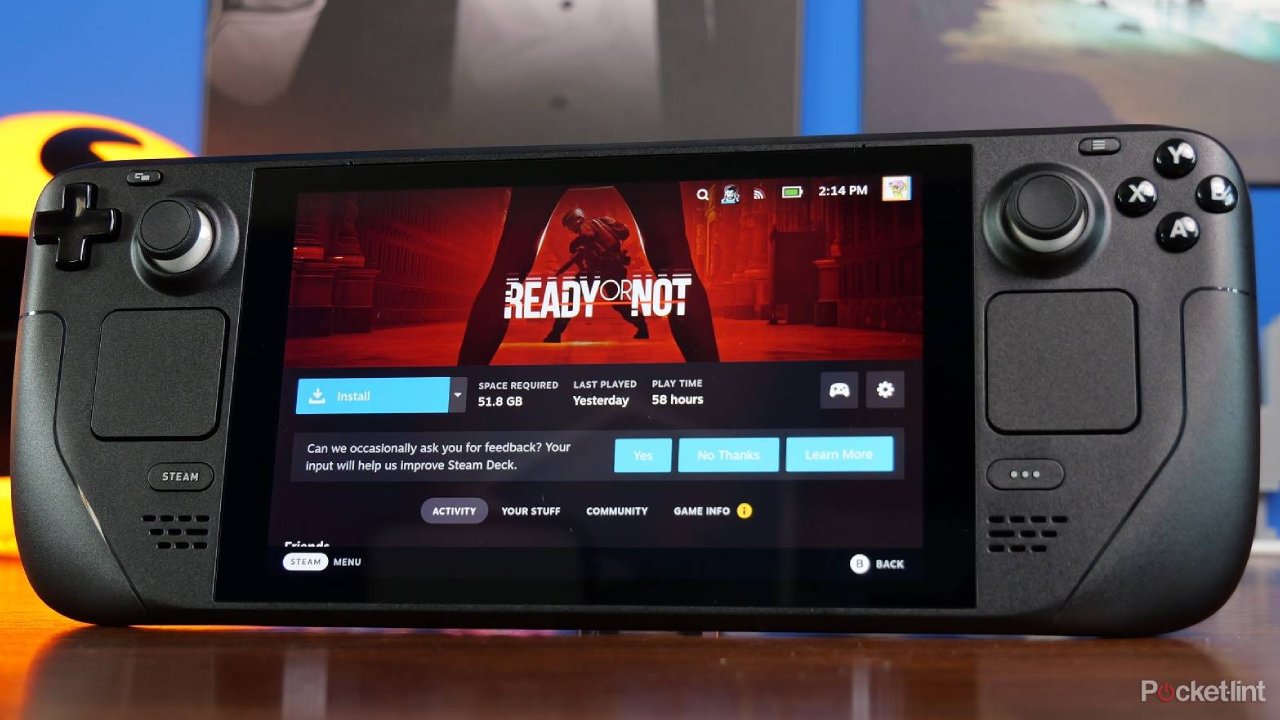
Hardware Limitations and Linux Accessibility
Not all generations will be upgraded because they are too expensive or unavailable. Hardware prices have been rising, and the optimization problems in current PC ports persist. Simultaneously, even older systems can run the games at lower settings. SteamOS allows existing hardware to be used.
This can be viewed as a direct response to users who are unable to upgrade but still wish to access modern gaming features. Valve has made some changes that enhance the use of 8GB GPUs. Meanwhile, some reports indicate that Windows 11 might require 32GB of RAM to run optimally, and 16GB is no longer sufficient.
This forms a contrast. One platform adds demands, but another enhances performance on the current hardware. You can witness the effects of this on the adoption decisions. It is anticipated that a Steam Machine will be released at approximately $750-$799.
This puts it in the middle-income bracket. If prices are lower, there is a greater likelihood of further adoption. Higher prices could raise objections. This can be viewed as a subset of a larger entry strategy, which involves a combination of hardware and SteamOS to form a complete system.
FSR4 Expansion and GPU Accessibility
An implementation leak enabled INT8-based FSR4 to run on older GPUs, including RDNA2, RDNA3, and even the RTX 30 series. This eliminates the need for more modern hardware to support advanced upscaling.
The Proton layer of Valve has already implemented the support of FSR4. This is in addition to fallback support of older architectures, albeit with some performance trade-offs such as a 16% reduction in frame rate. We may see this as a step to democratize performance improvements. You do not have to upgrade to use newer technologies.
SteamOS has added FSR4, Proton compatibility, and optimization improvements directly into the system. It enables you to use performance features without external drivers or manual adjustments. We can observe how this decreases friction. You do not need to upgrade a bunch of components; instead, you gain benefits from software integration.
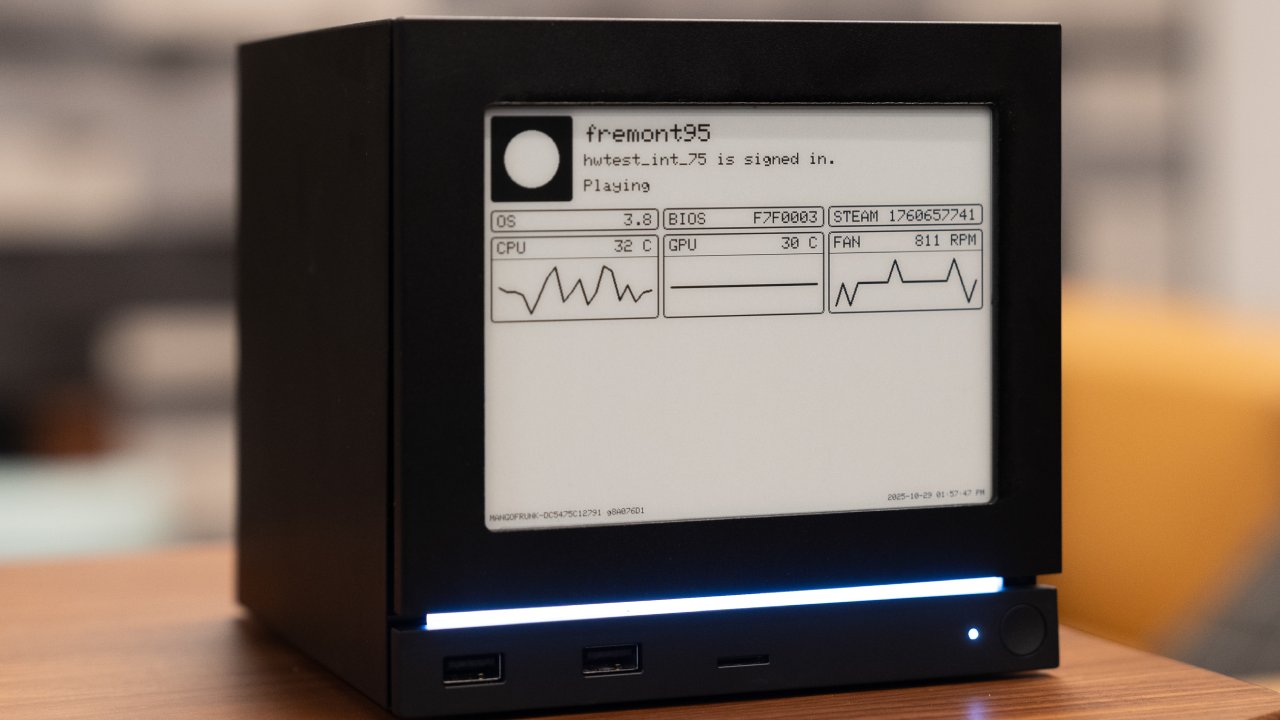
Transparency in Data Collection and Optimizations
Valve has also added features to enable users to add hardware specs and anonymized frame rate information to reviews. This brings about performance transparency. Now you can monitor a game's performance on specific hardware and make a purchase. Developers also have experience with real-world performance data.
This can be construed as a move towards responsibility. Suboptimal gains are observed, which influences the buying action. It is a strategy that encourages developers to ensure games are optimized correctly. Should performance information be exposed and standardized via SteamOS and Steam machine processors, poorly optimized titles will not fare well.
This alters incentives, as we can observe. The developers should strive to make it compatible and capable of doing its job, or they will get negative feedback and lower sales. Valve is not directly competing with the consoles in terms of hardware specifications. It centers on the platform's usability, accessibility, and control.
You are being led to a system where you will be in charge of your software.
The current trend shows how the focus has shifted from competing hardware to dominating platforms. Built-in technologies like FSR4, SteamOS, Steam, and Machines are part of a system that aims to reduce barriers and make hardware last longer.
This could be seen as a step toward a single environment where the experience is defined by performance, accessibility, and openness. No longer are hardware processes the only thing that limits you. Instead, it's how well a platform gives you what you need.
Editor, NoobFeed
Gaming Hardware Updates
No Data.