
AMD Zen 6 Leak Reveals 2nm CPUs and PCIe Gen 6
New leaks and official documents reveal major changes coming with AMD’s Zen 6 desktop processors.
Hardware by Nahe Yan on Jun 18, 2026
Olympic Ridge, AMD's upcoming Ryzen desktop series, could drop integrated graphics in favor of an integrated NPU. That would imply that AMD is investing in local AI acceleration before the mere display of information. The newer Ryzen chips have built-in graphics, which means they can boot up without a dedicated graphics card.
For those who are not gamers or do not use graphics-intensive work, the built-in graphics are sufficient and do not require buying additional devices. It appears the integrated GPU is being replaced, not by more CPU cores, but by an NPU. Some will say that most Ryzen users already use their processors with a discrete graphics card.
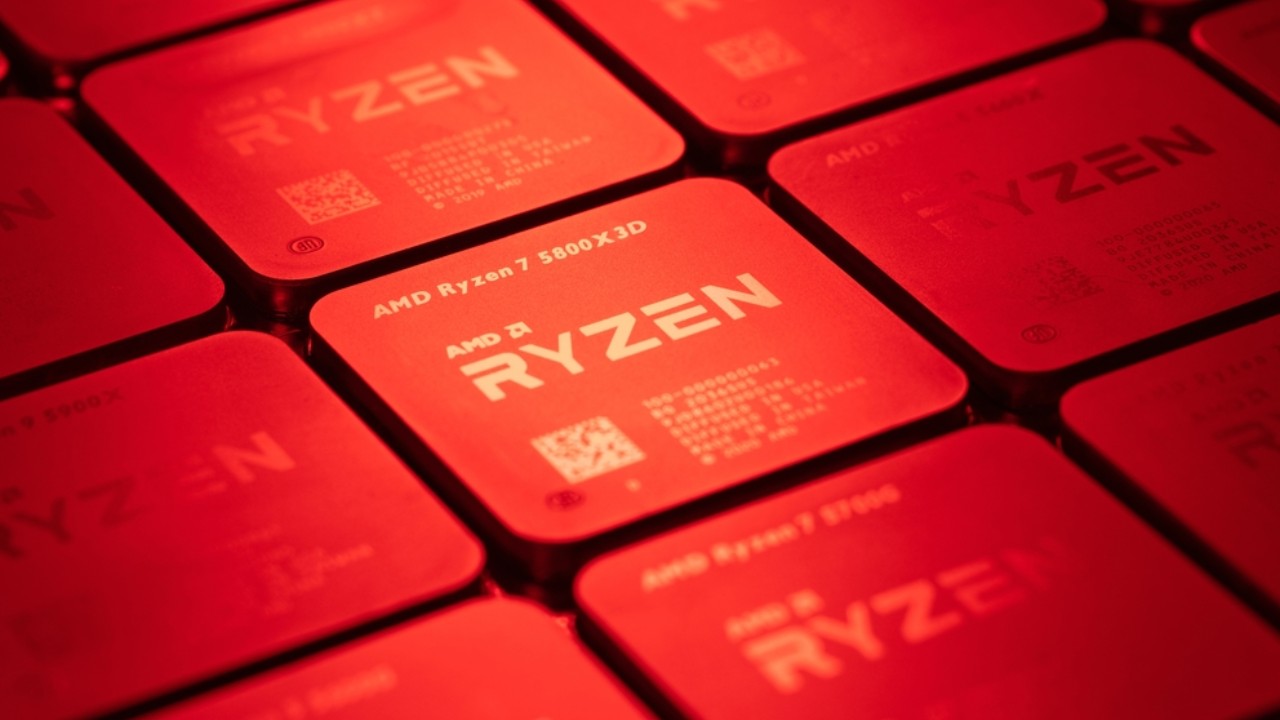
Zen 6 Specifications Have Leaked
Those graphics cards can deliver much greater AI power, though, than an integrated NPU. The only plus point of an NPU would be reducing the power consumption of AI workloads. This change raises questions about whether it's the right call to replace integrated graphics with an NPU. Information is preliminary, and specifications may change.
AMD has revealed the reason behind the delay in FSR 4.1 for RX 6000 graphics cards.AMD has shared the reason for the delay of FSR 4.1 on RX 6000 graphics cards. Recently, AMD shared some information about the FSR 4.1 support schedule. RX 7000 graphics cards will support the machine-learning-based upscaling feature in July, while RX 6000 will see support in early 2027.
The difference lies in the architecture of RDNA2 and RDNA3, AMF explained. For the time being, RX 6000 cards will use the regular NVIDIA GPU cores to handle FSR 4.1 workloads, as RDNA2 lacks dedicated AI accelerators. Therefore, AMD must make a few more optimizations before it can be released for support.
Those optimizations, if not, may make a bigger difference if FSR 3.5 was not optimized. Ryzen 10000 users received some good news from AMD itself. The document, which was previously available on AMD's website but later moved behind a login screen, contained details about the next-generation Threadripper processors.
The information is also insightful towards future Ryzen products, since Threadripper and mainstream Ryzen processors have always used the same CPU chiplet. The document mentions the Threadripper Pro series (code-named Mustang Peak). It confirms that the processors are indeed Zen 6-based and built on 2nm.
The platform also supports DDR5 memory and adds PCI Express Gen 6 support. PCIe Gen 6 offers twice the bandwidth per lane of PCIe Gen 5. AMD has already announced that the upcoming Ryzen next-generation processors will be supported on AM5 motherboards. As PCIe standards are backward-compatible, older AM5 boards will also work with the new processors.
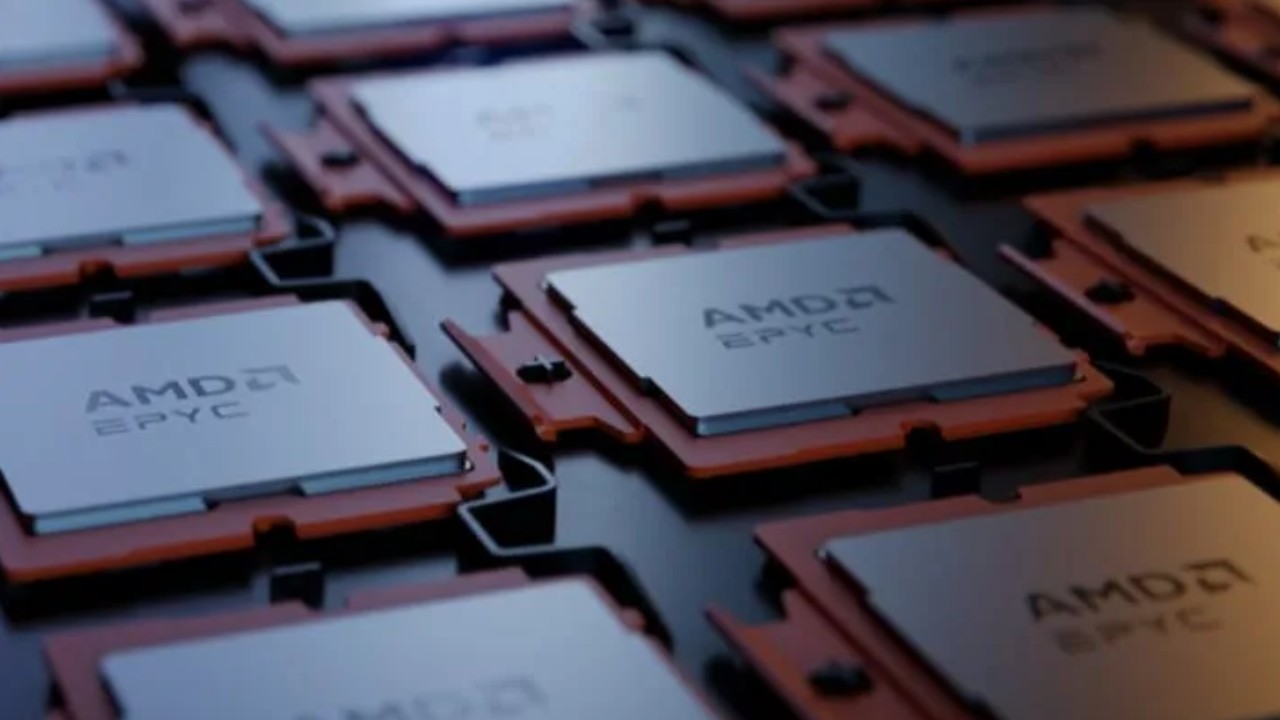
Threadripper Moves to a New Socket
The same document shows that next-generation Threadripper processors will transition from the TR5 platform to the TR6 platform. It also implies another socket switch for two generations. AMD has undergone several socket changes over the years with Threadripper. In general, longevity isn't a critical factor for top-end desktops, since those CPUs prioritize performance and expandability.
With TR6, the approach seems to be to continue the challenges of previous compatibility generations. So, Zen 6 Ryzen and Threadripper processors seem poised to make a significant difference compared to what is currently offered. How many of those upgrades will happen will become clearer as we get closer to launch.
Intel and Nvidia are preparing to launch x86 processors with RTX graphics.
In another report from VideoCardz, Intel and Nvidia are reportedly working on a new partnership. The leaked roadmap information reveals Intel's intentions to create x86 CPUs with Nvidia RTX GPUs. These processors may feature a mix of Nvidia's technologies, including DLSS 4.5, Frame Generation, CUDA, and the x86 CPU architecture. The duo may threaten AMD's APU footing.
The leaked roadmap indicates that the products belong to the Serpent Lake family and will be available in the first quarter of 2028, with the products expected to be announced at CES. Design, fabrication, testing, and production of a completely new architecture can take several years. The time chart suggests that both firms have long-term plans in place, but not in specific technological directions.
It's still not clear whether ARM will gain significant traction on Windows or whether x86 will remain the dominant platform, but Nvidia looks ready for either scenario. Over the coming few years, many changes are expected in the computing world, both on desktops and in mobile devices.
Editor, NoobFeed
Gaming Hardware Updates
No Data.