
How Has Coverage of Video Game News Changed Across America in Recent Decades?
Other by Arisu Taiaya on Nov 11, 2025
In the 1980s and 1990s, gaming news was primarily found in print, including noted magazines like Nintendo Power, Electronic Gaming Monthly, and GamePro, all of which were household names among players.
These publications served as the main source of information for new releases, strategy guides, and industry rumors. Since the internet hadn’t yet taken hold, fans relied on monthly issues to stay connected to the world of games.
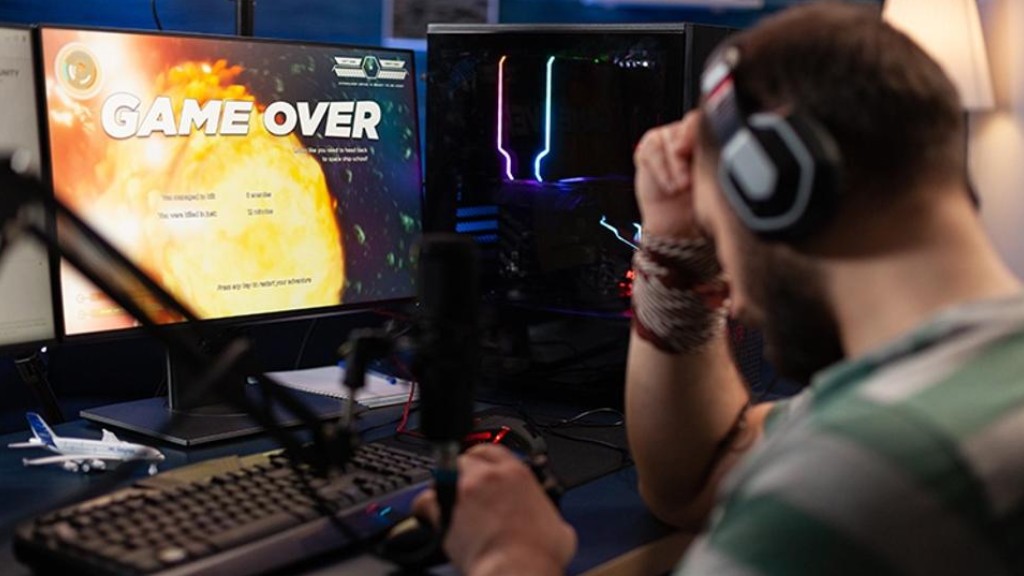
Coverage during this period was heavily influenced by marketing partnerships between publishers and magazines. Previews often leaned toward promotional language, and criticism was sometimes minimised, and these publications built a sense of community and excitement.
Collecting the latest issue felt like being part of a secret club where readers could discover hidden codes, information about upcoming titles, and fan letters with opinions, feedback, and more.
The early 2000s still saw magazines in circulation, but their dominance was already fading as websites began to emerge. Sites like IGN and GameSpot gained traction by offering faster updates and detailed reviews, which rapidly made traditional print media grow increasingly outdated.
With that said, here is a closer look at how video game news coverage has evolved across America in recent decades.
How the Internet Transformed Gaming Journalism
The arrival of the internet changed the way Americans consumed gaming news. Instead of waiting for a monthly magazine, players could now access breaking updates, previews, and reviews instantly online via the desktop computer or laptop. This shift was especially noticeable in the mid-2000s when broadband internet became widespread.
Gaming websites began producing not only written articles but also videos, podcasts, and forums where players could discuss their favorite titles. User reviews and community-driven content also became more important, with gamers often challenging the authority of professional critics.
The business side of gaming journalism also shifted. Advertising revenue was now generated online, with banner ads, sponsored content, and affiliate links becoming the new standard. Some outlets thrived in this new digital environment, while others struggled to maintain independence when balancing editorial integrity with financial needs.
The internet also gave smaller, independent voices a platform. For example, gaming blogs and fan sites contributed to the diversity of coverage, ensuring that readers could find perspectives outside of large media outlets. This democratization of gaming journalism meant players had more choices and more varied opinions than ever before.
Why social media and streaming have become primary news sources
By the 2010s, social media platforms like Twitter, YouTube, and Reddit had become central to the way Americans engaged with gaming news and the latest leaks. They could also now access this content directly from the palm of their hand using their Wi-Fi/connected smartphone or tablet device.
Major publishers started announcing games directly on their own channels, cutting out traditional outlets altogether. Instead of reading about a new trailer the next day, fans could watch it as it premiered.
Streaming platforms, most notably Twitch, added another new dimension to this shift. Livestreams allowed players to interact with content creators and developers in real time.
Influencers and streamers often became more trusted voices than traditional journalists because they provided raw, unfiltered reactions and direct engagement with audiences.
Social media also blurred the line between reporting and conversation. A single tweet from a developer could spark days of speculation, while a viral video might reveal a bug or feature before professional outlets had time to respond.
For younger audiences, news consumption increasingly came through short-form content and video clips rather than long articles in hard copy.
Interestingly, this trend mirrors developments in other entertainment industries, from movies to sports. Just as fans of online casinos in New Jersey might rely on direct updates from platforms like Casino.org to learn about new features, gamers could now depend on official channels and influencers as much as, if not more than, traditional journalism.

The rise of specialised coverage beyond mainstream games
Another important change has been the expansion of coverage beyond blockbuster titles. In the early years, most media attention was focused on major publishers like Nintendo, Sega, Sony, and Microsoft. Today, however, indie games, mobile titles, and niche genres receive significant coverage thanks to dedicated communities online.
Websites and YouTube channels that now specialize in particular genres, from fighting games to visual novels, quickly built loyal audiences. Crowdfunding platforms like Kickstarter and Patreon have further encouraged this by giving independent creators direct connections with their fans.
eSports has also become a major area of coverage, too. Tournaments for games like League of Legends, Counter-Strike, and Overwatch attract millions of viewers worldwide.
Dedicated eSports news sites and gaming platforms, alongside mainstream media outlets, now report on player trades, tournament results, and industry developments with the same seriousness given to traditional sports.
This diversification reflects the broader cultural acceptance of gaming. What was once seen as a niche pastime has now split into multiple subcultures, each with its own sources of information and communities of discussion.
What the future of gaming news in America could look like
Looking ahead, the future of gaming journalism in America is likely to be shaped by technology and audience habits. Artificial intelligence will likely play a significant role in curating personalized news feeds, while virtual and augmented reality could introduce new ways to experience coverage. Interactive features, such as live polls during announcements, may become more common as publishers seek to engage fans directly.
At the same time, concerns about credibility and independence will continue to be important. With so many voices competing for attention, distinguishing between marketing, opinion, and investigative reporting can be difficult. Outlets that focus on transparency and in-depth analysis may find ways to stand out even in a crowded media environment.
Ultimately, the evolution of gaming news reflects the evolution of gaming itself. From print magazines to live interactive broadcasts, the industry has adapted to technological and cultural shifts while keeping the core goal the same, which is connecting players to the games and communities they love.
Moderator, NoobFeed
Latest Articles
No Data.