
Will Xbox Project Helix Support Modular RAM Options or Stick to Integrated Console Design
Configurable RAM concepts in next generation consoles face design tradeoffs between cost efficiency, integration, and performance consistency.
Hardware by Nahe Yan on Apr 13, 2026
The idea of a next-generation Xbox system that is more like a PC has people wondering how modular and upgradeable it will be. One of the more talked-about ideas is whether a console may come with RAM options that can be changed, so that consumers can pick between different memory tiers or upgrade later.
The notion seems to work on the surface. Still, technological and ecological problems make it hard to see how such a system might function.
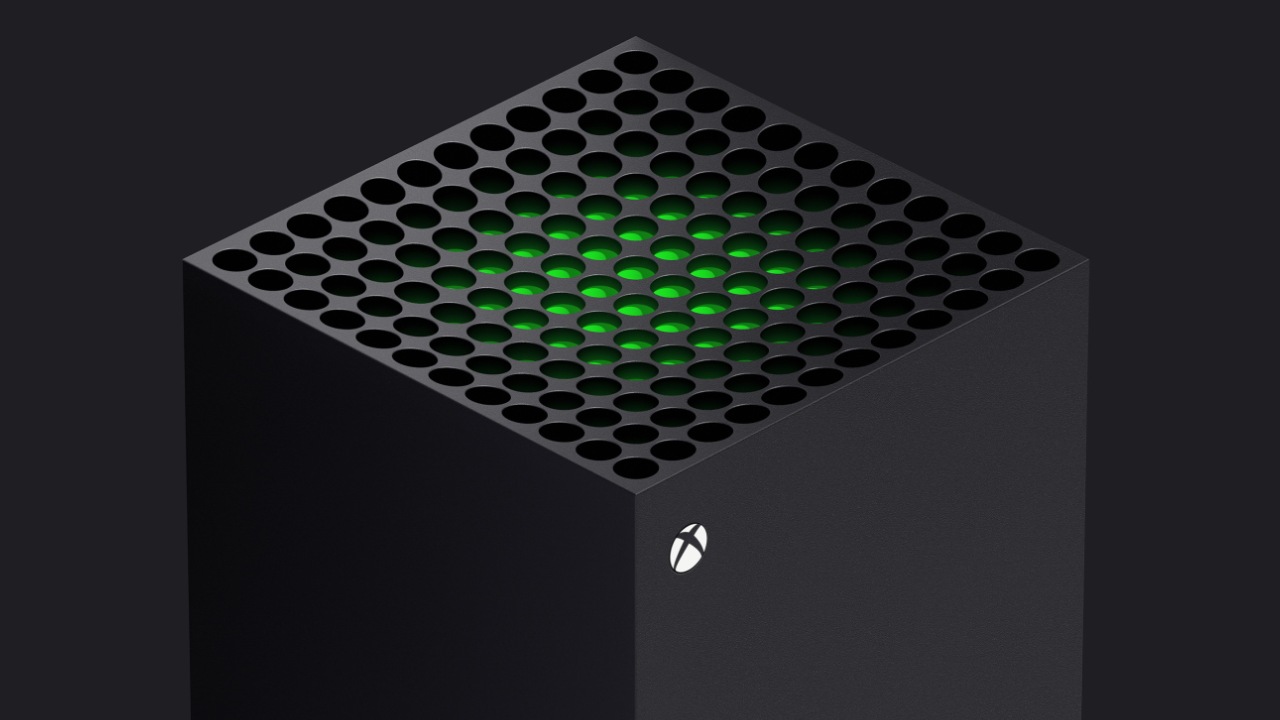
The Allure of Upgradeable Console Hardware
We can see why the thought of a console becoming more like a PC in terms of versatility is appealing. You could start with a cheaper configuration and upgrade later if the system allows it. Offering different RAM sizes, such as 8GB, 16GB, or 32GB, seems like a way to lower the initial cost while still leaving the door open for future upgrades. It could go up to 128GB if the price goes down.
But when we look at how consoles are made, it's evident that they have some limits. A modern console motherboard puts almost everything on one board. The CPU, GPU, and other parts are all on the same chip, and the memory is built into the design. This level of integration is one of the key reasons why consoles can compete with PCs on price.
Why is Integration more Important than Modularity?
By putting everything on one board, work goes faster and costs less. You don't need separate parts from different companies, like a separate CPU or GPU.
Adding upgradeable RAM to that design makes the packaging and engineering more complicated. You would need memory slots that are easy to access, or modular parts, which cost more and make consoles less competitive because they aren't as efficient. The idea of updating RAM sounds handy, yet it goes against the main design philosophy of consoles.
Limits on Developers and Goals for Performance
There is another limitation on the development side. Even with many different RAM setups, developers still have to aim for the lowest common denominator. Games must work within the limits of a basic system that comes with 8GB.
This means that more RAM might not always make things better, since coders can't be sure that those extra resources will be used. In real life, this means that having a lot of RAM levels isn't very useful.
A Software-First Approach to Consoles That Are Like PCs
If the goal is to make consoles more like PCs, we think software modularity is a better approach than hardware modularity. Allowing access to more software or various markets on the platform would make it more like the PC environment.
Instead of updating the hardware, let's add other ways to use the system. This would give you more value without the hassle of upgradeable parts.
OEM Variants and Differences in Hardware
People are also talking about letting other companies make their own versions of the console hardware. In that case, businesses might make their systems stand out by changing components, such as memory configuration.
You may see several versions from different manufacturers that have little hardware modifications but yet follow the same basic rules. But there isn't much room for change without making things less compatible or more fragmented. You might be wondering if people would really want these kinds of variances in a console setting, where consistency is normally more important.
A Good Example of Expandable Storage
Modularity that works well with storage that can be added to is something we've seen before. Using SSD upgrades that look like cartridges makes it easy to upgrade. Even though the prices haven't always been right, the idea works well because it doesn't change how the system works in its most basic form.
If upgradeable parts are made in a similar way, simple, external, and standardized, they can work without messing up the design of the whole system.
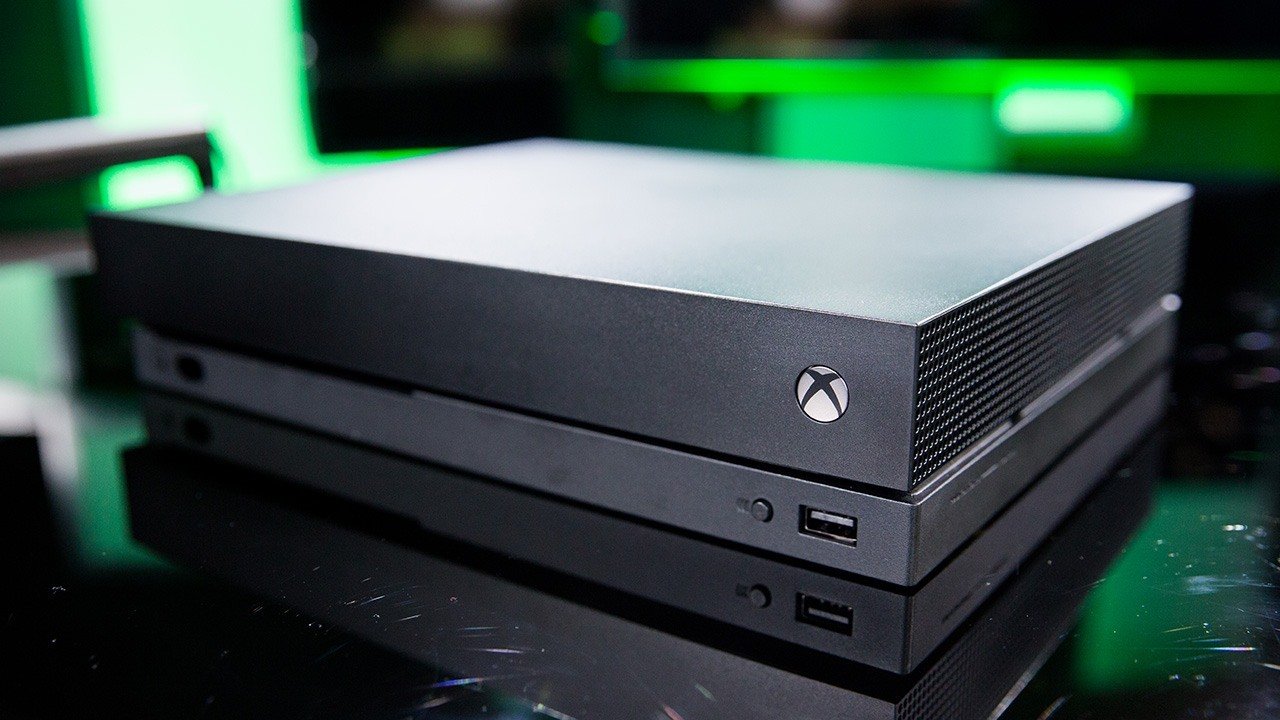
The Restrictions of Upgradeable Consoles
People have thought about the idea of a fully upgradeable console before, but it hasn't caught on. The RAM, CPU, and GPU are tightly connected, and changing that would undermine the benefits that consoles have over PCs.
If allowed, third-party manufacturers would handle more complex upgrades rather than include them in the main consumer experience. Even then, the benefits remain unclear.
Final Thoughts
The idea of modular consoles remains attractive. Still, it is unlikely to be used traditionally due to practical constraints. A hybrid approach, where hardware stays integrated, but software becomes more open and adaptable, is a more realistic way to go.
Also, check our other hardware articles:
- AMD Ryzen 9 9950X3D Review: Setting The Standard For 2025 Gaming CPU
- Amazon Luna 2025 Review: Is Prime Gaming's Cloud Service Your Go-To For Casual Fun?
- AMD RX 9070 XT Review: AMD's RDNA 4 Champion for 1440p Gaming
- GeForce Now Ultimate: Ditching Your Gaming PC For Cloud RTX 4080 Power?
- NVIDIA GeForce RTX 5080 Review (2025): Still A 4K Gaming Powerhouse?
- Intel Core Ultra 9 285K Review And Performance Breakdown (2025)
- AMD Ryzen 7 9800X3D Review: 3D V-Cache Goes God Mode with Stunning Gaming Performance
- Intel Core Ultra 9 285K vs AMD Ryzen 7 9800X3D: In-Depth Gaming Performance and Benchmark Comparison
- NVIDIA GeForce RTX 5080 Super Performance In Cyberpunk 2077: Path Tracing & DLSS 4.0 Tested
- AMD Radeon RX 9070 XT In Cyberpunk 2077: Ray Tracing & FSR 4.0 Tested
- Intel Arc B580 Review: The $250 GPU Revolutionizing 1440p Gaming
- Intel Arc B570 Vs. B580: Value, Specs, And Real-World Gaming Performance
- RTX 5090 Laptop Vs. M4 Max MacBook Pro: Ultimate Raw Performance Vs. Battery Endurance
- Intel Arc b580 Vs. RTX 4060: Game Performance And Value Analysis
- RTX5090 Hell Is Us Demo 4K Ultra Benchmark: DLSS Vs. Native Performance Guide
- NVIDIA RTX 5070 Review: Mid-Range Muscle or Marketing Hype?
- Nintendo Switch 2 Review: Handheld Performance, Features & Value Breakdown
- RTX 5070 Ti Review: Performance, Thermals & Power Efficiency Tested
- Samsung Odyssey OLED G81SF Review 2025: Ultimate 32-Inch QD-OLED Gaming Monitor
- AMD RX 9070 Performance Review: Thermals, Clocks, and Real-World FPS
- AMD Ryzen 5 7600 Review: Best Budget Gaming CPU of 2025?
- AMD Radeon RX 7800 XT Review: RDNA 3 Power For Midrange Gaming
- Asus ROG RTX 5090 Astral OC Vs. Founders Edition: The 4K Gaming Benchmark
Editor, NoobFeed
Gaming Hardware Updates
No Data.