
Xbox Project Helix S Leak: Can a $600 Budget Console Actually Work in 2026?
Other by Alicia Veerle on Oct 21, 2026
$600 used to buy you the flagship. Now it's being sold as the cheap option.
That's the strangest part of the Project Helix S leak that surfaced this week. A rumored $600 console, positioned as the budget entry to Microsoft's next generation, with roughly 18 teraflops and 24GB of RAM, according to the rumored spec sheet that we summarized. Some corners of the internet are calling it a smart pivot. I think that's the wrong read, and here's why.
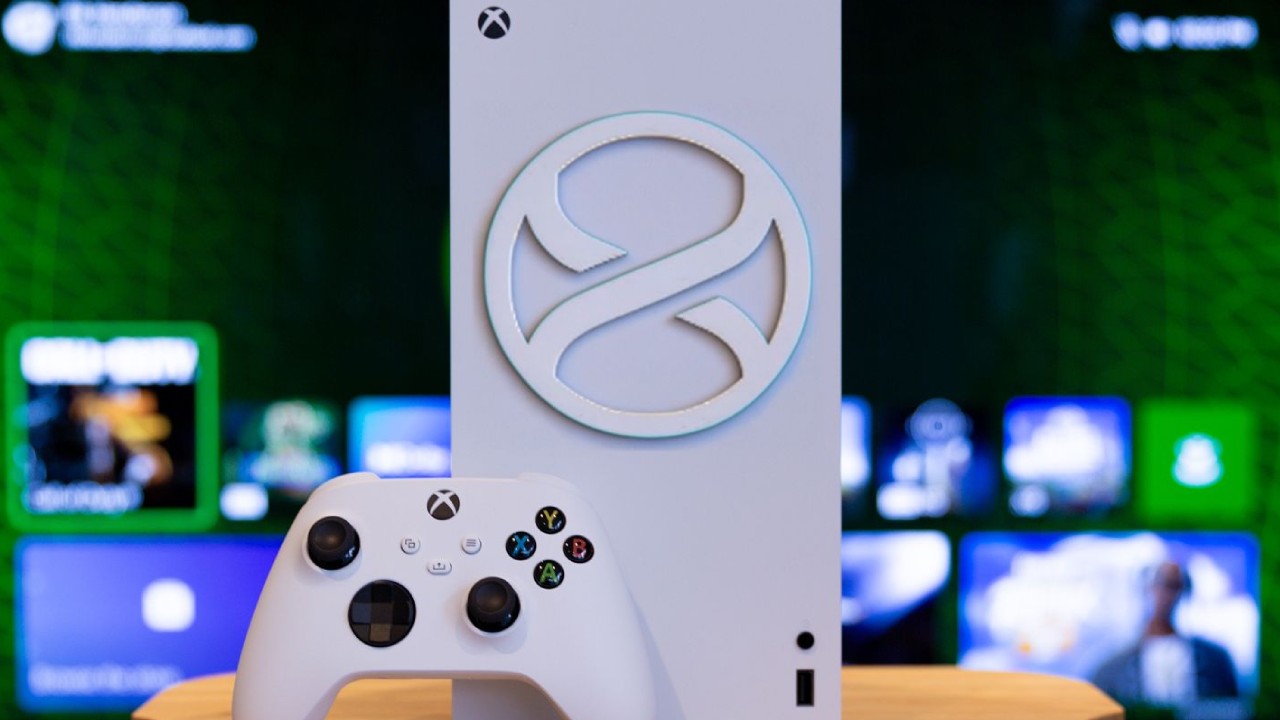
The price isn't the problem. The math is.
Let's start with what we actually know about Xbox hardware economics. Xbox still loses about $150 on every Series X, even after the price hike pushed it to $800. Read that again. An $800 console, and Microsoft is still underwater.
Imagine a box priced at $600 in a market where RAM costs aren't decreasing. The same leak coverage suggests production costs could reach $700. That means a loss of at least $100 per unit before the game sells.
Platform holders have always absorbed hardware losses and made up for them through software and subscriptions. This strategy worked when a console launched at $499 and its price was reduced over time. It is much less effective now, when the initial launch price is already a great deal and component costs keep rising.
My position is straightforward in that the $600 Helix S represents a pricing trap for Microsoft, not a benefit to players. If the specifications are quietly reduced (and the coverage of the leaked Project Helix memo from T3 already suggests that component costs might lead to a downgrade), or if the price rises slowly before launch, then in either case it will not be a budget console.
The PS5 Pro is the cautionary tale.
Want proof that sticker price and street price are two different animals? Look at what happened to Sony's mid-gen refresh. The PS5 Pro launched at $700. NoobFeed's own reporting on PS5 Pro prices hitting $1,400 describes used units going for double that, with upgrades that struggle to justify the cost.
The takeaway is Helix S. Market scarcity and component pricing don't care about your marketing presentation. When demand exceeds supply at launch, scalpers and retailers determine the actual price. A console that costs $600 and sells out in one hour ends up being one that costs $900 for all those people who didn't succeed in the refresh race.
The ceiling is still rising; the PS6 is already being priced at nearly $1,000 in Soapbox discussions, and a few media outlets believe the complete Helix could reach even higher. TechRadar has suggested a figure above $1,000, though it also noted the device would have to compete with Valve's Steam Machine.
In that case, $600 doesn't appear to be a cheap price; it rather sounds like it's the new minimum.
What $600 buys you versus a handheld PC?
Here's the part where the comparison gets uncomfortable for Microsoft.
For around the same money, you can already buy a capable handheld PC. A Steam Deck-class machine plays your library on the couch, on a train, or at a desk with a dock. The latest Steam update improved Big Picture Mode, Remote Play and streaming, and Fortnite is finally heading to the Deck. Handhelds stopped being a niche years ago. Even Microsoft's own Xbox Ally X versus X20 comparison shows the company chasing that audience.
The living-room console has to make its case differently; it needs exclusive titles, a well-presented front end, and a price thatdoesn't sound like a mortgage for a TV stand. Since it's $600, you're not getting a controller and cable bundle for that amount. You're buying the console, and you have to buy the games separately.
Then there's everything else competing for the same discretionary budget. Hardware isn't the only place people spend their entertainment money. GTA 6 arrives on November 19. A full-priced launch title, a few DLC packs, a subscription renewal, and suddenly the console is the cheapest part of the year's gaming spend. Wallets are finite.
For instance, in California, those considering a large console purchase also have to choose between streaming bundles, concert tickets, and regulated casino venues, and the directory lists the state's licensed options (source: https://www.newgamenetwork.com/casinos/california/). Since gambling is accompanied by risk, you should play responsibly and only stake amounts that you can afford to lose.
The point is that Helix S isn't just fighting the PS6. It's fighting every other thing a household could do with $600.
Where a $600 Helix S could actually work?
I'm not saying the idea is doomed. I'm saying it only works under specific conditions.
First, Microsoft has to admit it is taking a loss. It's not shameful to sell a console at a loss if it helps fund Game Pass and a strong lineup of first-party titles. The way to earn a launch nobody trusts is to pretend the margins are okay, then reduce the RAM.
Second, backward compatibility must be genuine. Reports about the leaked memo indicate it is a key part of the proposal. If your current library carries over, the effective cost of joining decreases because you won't have to buy anything new. This gives you a real advantage over a handheld system, which requires a separate storefront login and many setup adjustments.
Third, the hardware has to last. Rumors of AMD's RDNA 5 arriving alongside PlayStation 6 and Helix in 2027 mean this generation's graphics roadmap is already set. A budget box that runs a stripped-down version of that silicon will age badly by year three.
If you miss any one of them, the S model will end up being the one people buy only because they have to, then quickly grow to resent. But if you include all three, it might become the most sensible thing Microsoft has done in recent years.
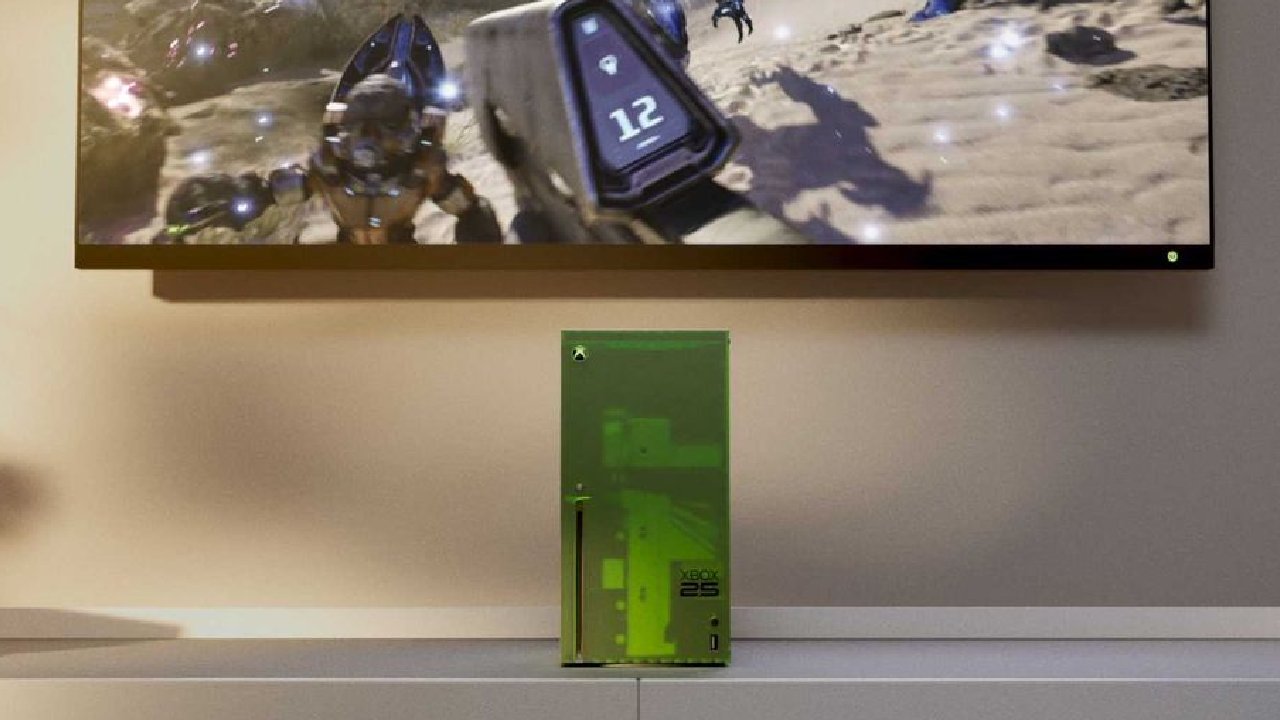
My verdict
A $600 budget console is impossible to justify in 2026; if it's meant to be a budget machine, the specs will have to be compromised, or Microsoft will keep them up and lose money. The fact that the leak makes both scenarios seem possible is exactly why I still don't trust the figure.
I'll admit I'm wrong if the final price is $600 with full-fat specs and true backward compatibility. But if it's $600 despite reduced hardware, you're paying flagship prices for a compromised product. Keep an eye on the amount of RAM—that's the key indicator.
FAQ
Q. What is the expected price of the leaked Xbox Helix S?
The leak suggests a price of about $600, together with around 18 teraflops of computing power and 24GB of RAM. Microsoft has not confirmed any of this. Treat the figure as a rumor, since the report also mentions production costs that could push the final price higher.
Does Microsoft really lose money on Xbox consoles?
Yes. Reporting indicates Microsoft still loses around $150 per Series X even after raising the price to $800. Selling hardware at a loss is a long-standing console strategy, with the money recovered through games and subscriptions, which is why a cheap Helix S is a financial gamble.
Is the PS5 Pro actually being sold for $1,400?
Not at the price that Sony has set. The PS5 Pro launched at $700, but some retailers are selling used units for as much as $1,400. The price difference shows how scarcity can push real-world prices well above the manufacturer's listed price.
Should I wait for Helix S or buy a handheld PC now?
It depends on your library. If you have a large Xbox game library, backward compatibility makes the Helix S the better value. But if you mainly play on a PC and value portability, a Steam Deck-class handheld can already meet your needs today.
Moderator, NoobFeed
Latest Articles
No Data.