
How AI Losses Are Driving RAM and GPU Prices Higher?
Financial strain across AI companies is colliding with limited chip production and escalating costs for everyday computing.
Hardware by Shinji Okazaki on Jan 27, 2026
OpenAI has said that it will lose $14 billion this year. Company is going toward something its CEO has declared he hates: adverts in ChatGPT. Building a gaming PC is getting harder and more expensive as AI companies waste billions. There is a direct link between these two scenarios, and knowing that link helps you understand why OpenAI losing money could affect your next PC upgrade.
The Information reports that internal documents stolen from OpenAI show that the Company expects to lose $14 billion in 2026. To put that in perspective, that's three times worse than the losses it had in 2025. The business expects to lose about $44 billion between now and 2029. OpenAI says it may reach $100 billion by 2029, about the same amount as Nvidia. This firm sells physical hardware and controls the AI chip market.
The main idea behind this prediction is to make money from a chatbot by charging people to use it and showing them adverts. That's interesting because in 2024, CEO Sam Altman said he despised commercials and thought merging AI with advertising was creepy. In January of this year, advertising quietly began to appear for free ChatGPT users. OpenAI has said that ads won't affect responses and that user data won't be sold. Still, when a corporation loses $14 billion a year, it's reasonable to wonder how long those pledges will last.
The Pattern of Tech Companies We Know
In the past, we have progressed through this cycle. Investing money from investors, promising groundbreaking technology, and then struggling to monetize it are all things that companies do before turning to marketing. It is consistent with that pattern. Even though many people use the technology, no one has found a sustainable way to generate income from it. OpenAI claims its revenue is growing rapidly; however, its spending obligations exceed its revenue, indicating it is incurring a loss.
Why AI Losses Hurt Your PC
While OpenAI and other AI companies burn money, the hardware market is under pressure. AI infrastructure needs a lot of memory, and that need is changing the way supply chains work.
Prices and Shortages of RAM
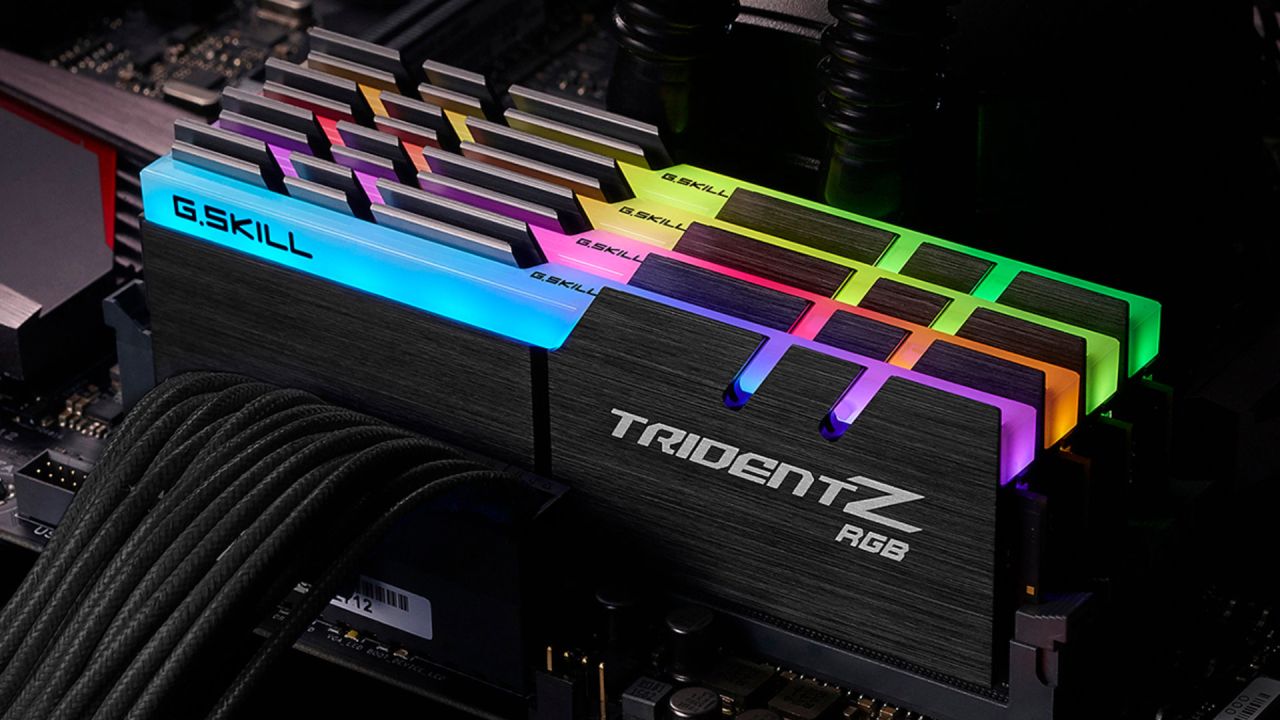
DDR5 prices might increase by as much as fifty percent to sixty percent in just the first quarter, according to industry experts. Now, a 64GB DDR5 kit can cost more than a complete PlayStation 5 system.
The reason is that they are focused on making things. Most of the world's RAM comes from Samsung, SKHynix, and Micron. A lot of what they make now goes into HBM memory for AI accelerators. When Micron makes one bit of HBM, it stops making three bits of regular DDR5. SKHynix said that all of its production capacity for 2026 has already been sold to AI clients. Since September, Samsung has raised DDR5 prices by nearly 60%. To curb hoarding, several stores have set limits on how much RAM a person can buy.
Storage and GPU Prices
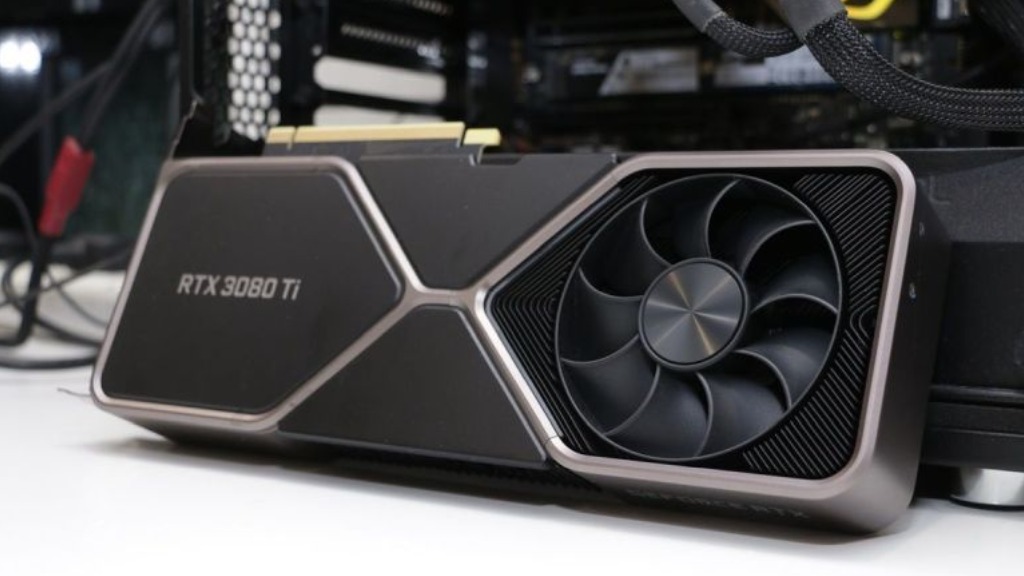
GPU prices go up and down in lockstep. AMD and Nvidia intend to raise prices in stages until 2026. RTX 5090 came out at $2000 and is now retailing for up to $4000. Some analysts say it might hit $5000 by the end of the year. NVIDIA is said to have reduced production of the GeForce RTX 50 series by 30% to 40% so it can use the memory for AI products that generate more revenue.
There are also shortages of GDDR memory for graphics cards. The average cost of SSDs has increased by about 46%, and the cost of hard drives is rising at a similar rate. AI data centers will pay practically any price for memory chips; any part that needs them will be affected.
The Bigger Picture for the PC Market
Analysts say that PC shipments could drop by as much as 9% by 2026. Hardware sales at the end of last year were among the worst in decades. The reason is simple. AI businesses are using GPUs, RAM, and storage at levels consumer markets can't keep up with.
The CEO of Nvidia has said in public that the Company is more of an AI data center infrastructure business than a gaming business. AI demand takes priority over factory capacity, leaving fewer resources for consumer electronics.
How Long This Might Last
Manufacturers are not optimistic about quick relief. SK Hynix believes shortages will persist until 2028. TeamGroup has said that things will get worse in the first and second quarters as current inventories run out. Micron is building new fabs, but those are unlikely to come online before 2027 or 2028. Several sources in the business say that memory shortages will last until at least the fourth quarter of 2027.
For you, that means upgrades cost far more than they should. In 2024, a gaming PC that cost $1500 can now cost more than $3000. The prices of prebuilt systems are likewise going up, and much of the money from those price increases goes to AI infrastructure that is still losing money in many situations.
Why You Should Be Careful, Not Afraid
Even though things are bad, there is a reason to be careful rather than give up. Tech bubbles usually go through the same stages: a lot of hype, a lot of spending, bad economics, and then a correction. OpenAI losing $14 billion a year while adding adverts is a sign of pressure, not strength.
OpenAI has hundreds of millions of users, yet it is hard for them to turn a profit. Losses are expected to continue until 2028. The revenue predictions anticipate that the Company will quickly reach Nvidia-level income. Other AI companies are under the same kind of strain. When investors want returns rather than growth, expenditure slows.
If AI expenditure slows down even a little, the way hardware works changes. Companies stop paying any price for memory and GPUs. Manufacturers move production back to DDR5 and GDDR for consumers. The supply of gaming GPUs improves, and prices start to return to normal. This doesn't happen overnight, but bubbles don't usually pop softly.
Final Thoughts
If you need an upgrade, you should do it sooner rather than later. Prices right now might be the lowest they've been in months. This is true for RAM, GPUs, SSDs, and storage in general.
Things might get better in late 2026 or 2027 if AI spending slows. Thinking about other options can also be helpful. AMD GPUs that use GDDR6 are under a little less stress than those that use GDDR7. Older gear like the RTX 4070, RTX 4080, or Radeon 7800 XT is sometimes a better deal than new flagship models that cost more than the suggested retail price.
The most crucial thing is to monitor the AI company's finances. The first clue that supply pressure may be easing is when more companies report ongoing losses and lower infrastructure investment.
It's not a coincidence that OpenAI lost $14 billion while RAM costs $400, but it also won't last forever. Market cycles normally resolve themselves, and when they do, the prices of PC hardware usually rise.
Also, check our other NVIDIA articles below:
- NVIDIA GeForce RTX 5080 Review (2025): Still A 4K Gaming Powerhouse?
- NVIDIA RTX 5070 Review: Mid-Range Muscle or Marketing Hype?
- RTX 5070 Ti Review: Performance, Thermals & Power Efficiency Tested
- ASUS GeForce RTX 5090 LC Liquid Cooled GPU Review: Unmatched Silence & Speed
- MSI GeForce RTX 5090 32GB SUPRIM SOC Review: Power Efficiency, Cooling, and Gaming Performance
- INNO3D RTX 5060 Ti 16 GB X2 Review: Gaming Benchmarks, Temps, and Power Efficiency
- HP Omen 45L Review: RTX 5090 Performance, Thermals, and Value Analysis
- ASUS TUF Gaming GeForce RTX 5060 Ti Review: DLSS 4, Power Efficiency, and Gaming
- ASUS Prime RTX 5060 Ti OC 16GB Review: DLSS 4, Ray Tracing, & Thermals Tested
- NVIDIA GeForce RTX 5060 Review: Specs, Gaming, and Cost per Frame
- MSI GeForce RTX 5090 GAMING TRIO OC Review: A Monster Power GPU
Editor, NoobFeed
Gaming Hardware Updates
No Data.