
AI RAM Shortage Hits Valve: Steam Deck Out of Stock, Steam Machine Delayed
Memory supply crisis forces Steam Deck stock shortages and pricing uncertainty across gaming hardware.
Hardware by Shinji Okazaki on Feb 20, 2026
There are many reasons to hate AI right now. The present implementation is all about making money. It doesn't seem helpful to people or society. One worry is how it harms the environment, and another is how it harms the market for computer gadgets. The same is true for the gaming industry, where AI is having a big impact on the business. Valve is one of the companies that has been hit the hardest.
Valve has been putting out a lot of new gear lately. It used to be a software firm that tried to get into hardware but didn't do very well. Then came the Steam Deck, which changed gaming in many ways. It made the idea of a portable handheld PC for playing games on the go more appealing. It was the first product of its kind that worked at a level that made sense for the price. Along with it came the announcement of the Steam Machine, which many people are looking forward to, but there haven't been many updates.
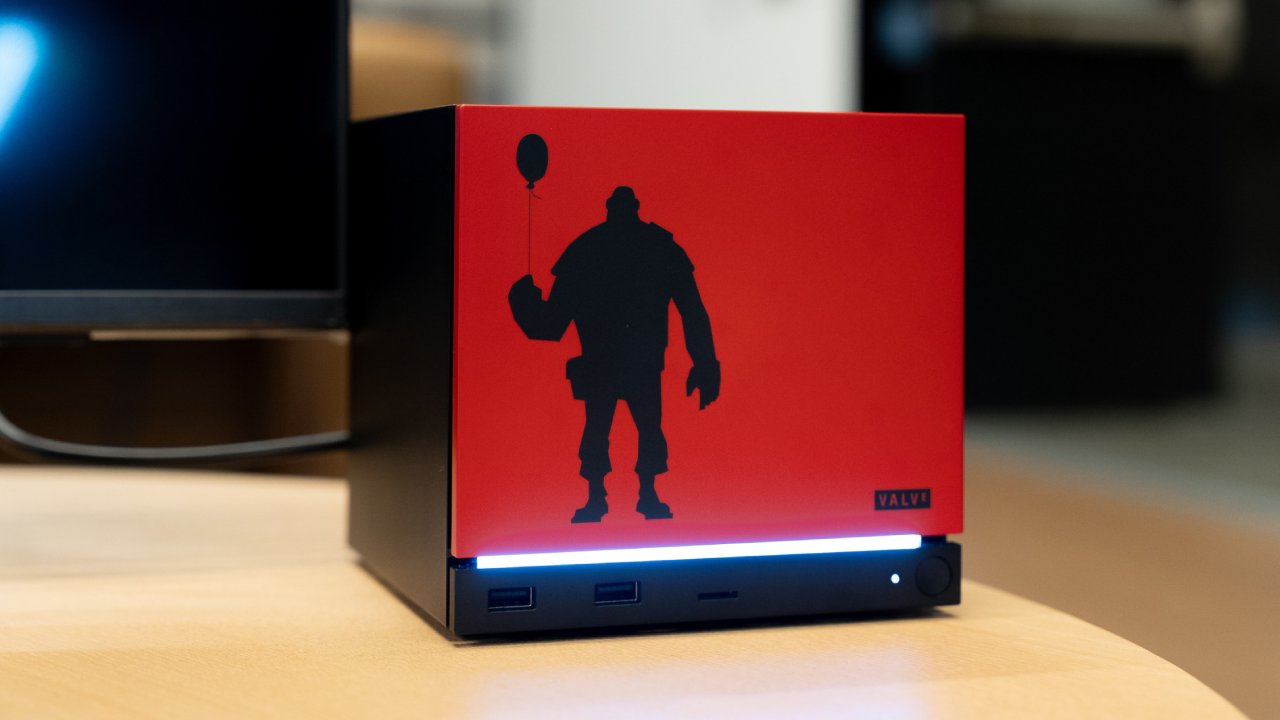
All of this has to do with AI and the tech race between corporations that has led to a huge shortage of RAM and rising prices. These changes have also had a significant impact on other components, such as SSDs and GPUs.
Steam Deck is Out of Stock
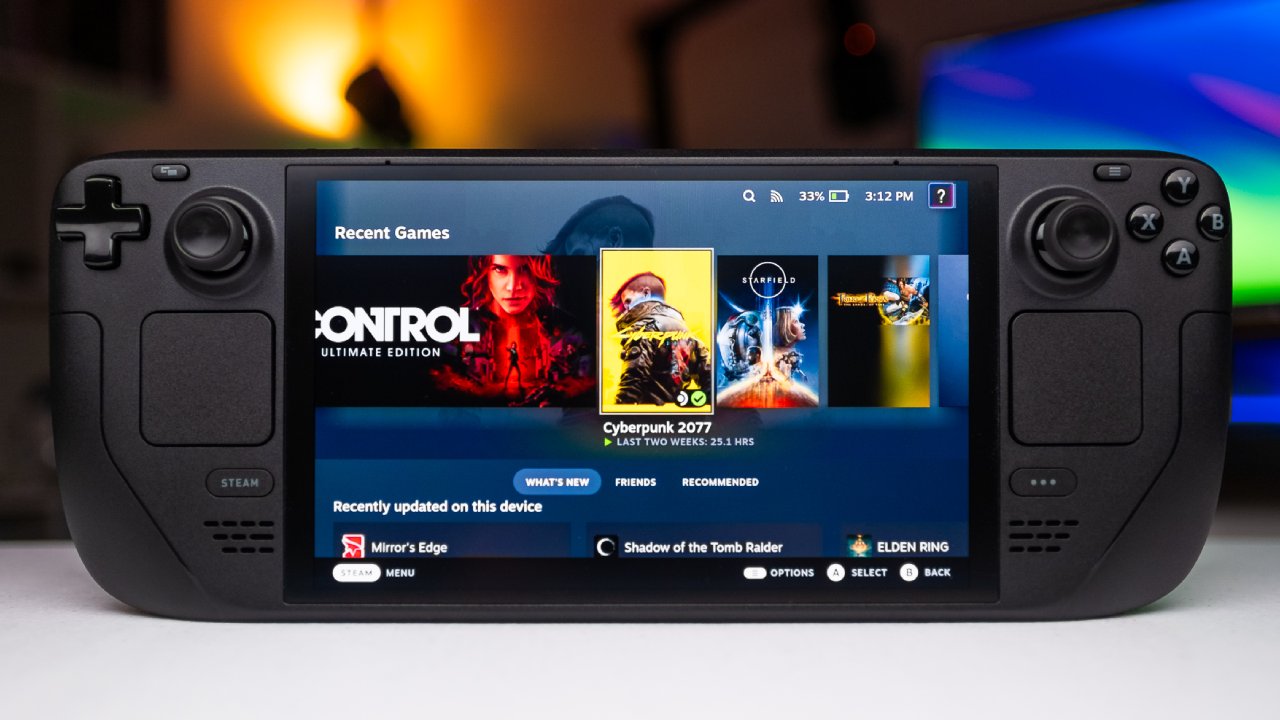
If you go to Valve's website and try to buy a Steam Deck, you'll see that all of the models are sold out. It's not because there is a lot of demand. Valve says just below the listings that it is because there isn't enough supply. Valve said that "Steam Deck OLED may be out of stock in some areas from time to time because there isn't enough memory and storage." Steam Deck LCD 256GB is no longer being made, and after it sells out, it won't be available again.
The 256GB LCD variant is no longer available. It was cheaper, but the OLED version has enhancements that make the price difference worth it. Steam Deck was only out of stock once before, when it first launched, and demand was high. Even then,
Valve dealt with scalping by making it hard to create multiple new accounts and take advantage of the system by imposing account requirements. Selling directly through its own platform and enforcing acceptable rules for real consumers made scalpers less of a problem. After it came out, the stock price stabilized, and the Steam Deck sold steadily.
OpenAI's RAM Deals and Their Effect on the Whole Industry
OpenAI is one of the companies that made this problem worse. To stay competitive and limit access to computing parts, it is said to have made deals with Samsung and SK Hynix, which accounted for up to 40% of the world's DRAM output at the time, or as many as 900,000 wafers per month.
These are conditions that have never happened before. Steam Deck is popular, but not so much that demand alone would sell out all the stock long after it was out. If this is how things are for the Steam Deck, then the future of the Steam Machine is not certain.
Steam Machine Delays and Uncertainty About Prices
Valve said on February 4, 2026, that it had hoped to announce detailed prices and launch dates by then. But there was a quick rise in memory and storage shortages across the board.
If Valve is having trouble making Steam Deck units because of a lack of RAM and rising prices, we should expect the same problems with the Steam Machine. It is a higher-priority product because it was just announced. Still, once it's available, you might have trouble getting one. The price could also deter many people from buying, since the final MSRP will likely include the higher costs of the parts.
Steam Machine doesn't get any government money like other consoles do. It is a PC that doesn't have any exclusive games, so the price can only change a little. If it weren't for the present AI-driven supply issue, we might have seen an earlier release.
Effects on a Wide Range of Consumer Electronics
Valve isn't the only one dealing with these problems. Reports from The Verge detail how RAM shortages and inflation are affecting phones, gaming devices, laptops, and nearly every smart electronic device. RAM is even in TVs and refrigerators. Prices for Wi-Fi routers are likely to rise significantly. Memory currently accounts for 20% of a router's overall cost, up from 3%.
According to reports, SSDs are 16 times more expensive than HDDs because of the AI supply chain crisis. GPU prices are also going up. For instance, the GeForce RTX 5090 used to cost about $2,000, but now it costs $4,000 to $5,000 on retail sites. Reports say that hard drive makers have sold out for the rest of the year, and there will be shortages until 2028.
The effect goes all the way to CPUs. Sales have gone down a lot. In January 2026, just 26,100 units were sold, down from 63,840 in January 2025. This is a 59% drop. People are choosing to keep their current PC builds rather than upgrade in a market that is too expensive.
Final Thoughts
Valve could buy a lot of RAM at current prices to keep making Steam Decks, but that would mean losing money at current MSRPs. Instead, it is waiting for prices to become steadier before restocking. The same reasoning applies to the Steam Machine, where changing costs make it impossible to make definitive launch commitments.
We may only be seeing the beginning of the full economic effects. As AI continues to grow, shortages and high prices may persist for years to come. Not only gaming hardware but also other important equipment are getting more expensive and harder to find.
There are also rumors that Nintendo may raise the price of the Nintendo Switch 2 and that the PlayStation 6 could be delayed until 2028 or 2029. It's clear that company roadmaps have been thrown off, and Valve is one of the companies hit hardest.
AI businesses say the long-term benefits will outweigh the short-term problems. Right now, the fast-and-intense race for AI infrastructure has led to supply shortages that hurt both users and device makers. We can see the effects happening right now. In the years to come, you may feel the effects in gaming, computers, and ordinary gadgets.
Also, check our other hardware articles:
- AMD Ryzen 9 9950X3D Review: Setting The Standard For 2025 Gaming CPU
- Amazon Luna 2025 Review: Is Prime Gaming's Cloud Service Your Go-To For Casual Fun?
- AMD RX 9070 XT Review: AMD's RDNA 4 Champion for 1440p Gaming
- GeForce Now Ultimate: Ditching Your Gaming PC For Cloud RTX 4080 Power?
- NVIDIA GeForce RTX 5080 Review (2025): Still A 4K Gaming Powerhouse?
- Intel Core Ultra 9 285K Review And Performance Breakdown (2025)
- AMD Ryzen 7 9800X3D Review: 3D V-Cache Goes God Mode with Stunning Gaming Performance
- Intel Core Ultra 9 285K vs AMD Ryzen 7 9800X3D: In-Depth Gaming Performance and Benchmark Comparison
- NVIDIA GeForce RTX 5080 Super Performance In Cyberpunk 2077: Path Tracing & DLSS 4.0 Tested
- AMD Radeon RX 9070 XT In Cyberpunk 2077: Ray Tracing & FSR 4.0 Tested
- Intel Arc B580 Review: The $250 GPU Revolutionizing 1440p Gaming
- Intel Arc B570 Vs. B580: Value, Specs, And Real-World Gaming Performance
- RTX 5090 Laptop Vs. M4 Max MacBook Pro: Ultimate Raw Performance Vs. Battery Endurance
- Intel Arc b580 Vs. RTX 4060: Game Performance And Value Analysis
- RTX5090 Hell Is Us Demo 4K Ultra Benchmark: DLSS Vs. Native Performance Guide
- NVIDIA RTX 5070 Review: Mid-Range Muscle or Marketing Hype?
- Nintendo Switch 2 Review: Handheld Performance, Features & Value Breakdown
- RTX 5070 Ti Review: Performance, Thermals & Power Efficiency Tested
- Samsung Odyssey OLED G81SF Review 2025: Ultimate 32-Inch QD-OLED Gaming Monitor
- AMD RX 9070 Performance Review: Thermals, Clocks, and Real-World FPS
- AMD Ryzen 5 7600 Review: Best Budget Gaming CPU of 2025?
- AMD Radeon RX 7800 XT Review: RDNA 3 Power For Midrange Gaming
- Asus ROG RTX 5090 Astral OC Vs. Founders Edition: The 4K Gaming Benchmark
Editor, NoobFeed
Gaming Hardware Updates
No Data.