
AMD Backtracks After Dropping RX 6000 and RX 5000 Driver Optimizations
The latest AMD driver release introduced confusion about continued support for the Radeon RX 6000 and RX 5000 series GPUs.
Hardware by Tanisha Aria on Nov 04, 2025
The AMD Radeon Group recently gave PC gamers in 2025 some of the most worrying news. They seemed to change their minds in just one day, but not before causing considerable worry in the community.
Their most recent driver update had some troubling notes that made us very worried about AMD's plans for ongoing support for products that are still being sold. AMD discussed improvements specifically made for the RX 7000 and RX 9000 series graphics cards in that update.
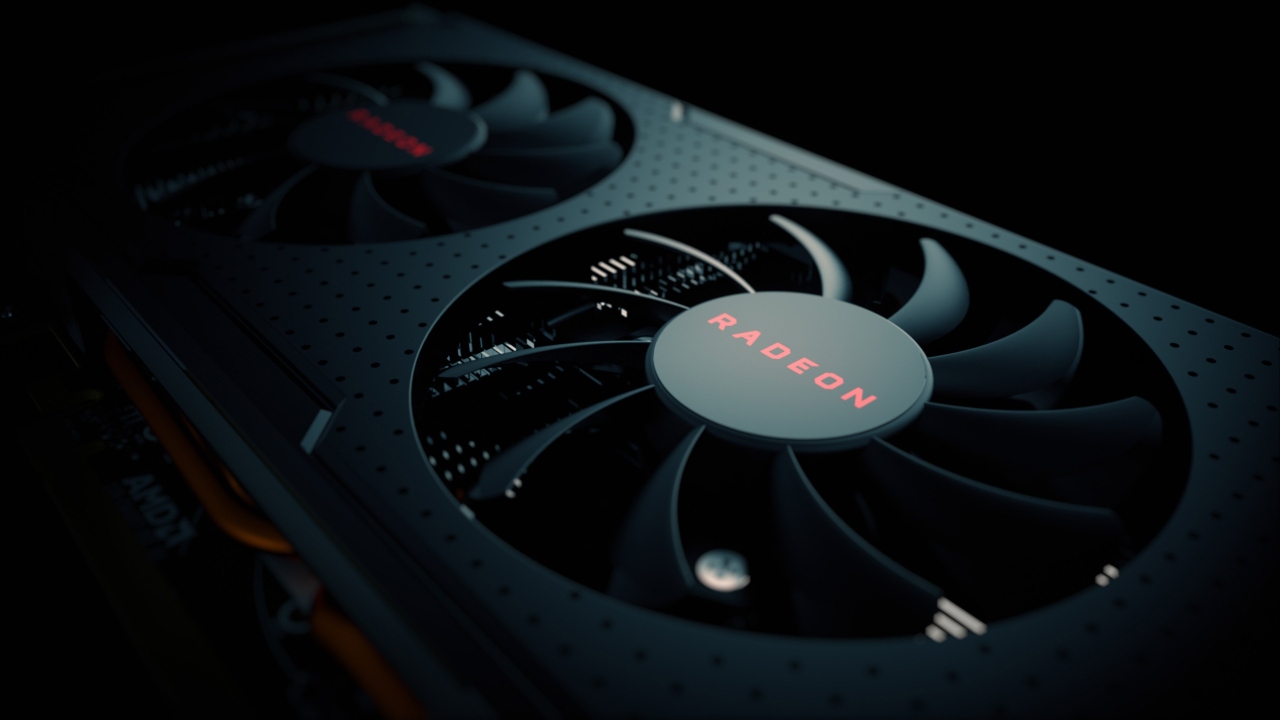
When asked for more information, AMD representatives reportedly stated that the RX 5000 (RDNA 1) and RX 6000 (RDNA 2) series were entering "maintenance mode." In other words, this means the software will no longer receive useful updates or improvements, resulting in legacy status.
Why Driver Support Is Important
Every GPU requires driver support to function optimally over time. Games can crash, fail to start, or experience serious stability issues if they don't receive regular updates.
For instance, the RX Vega had trouble with some newer games, such as Alan Wake 2, because it didn't receive any driver updates. No matter how powerful a card was before, it becomes much less useful in modern gaming when it loses support.
AMD later stated that the maintenance mode statement was a "mistake," but the concern remains. Driver updates have a direct impact on how well your GPU will work in future games. When support ends, performance stops improving, and new releases may not work at all.
Multiple Backflips in the Latest AMD Driver
The driver update on October 29th caused numerous problems. First, the optimization focus was limited to the RX 7000 and RX 9000 GPUs, leaving the RX 6000 and RX 5000 series out in the cold. Then, it appeared that AMD was no longer supporting Windows 10, as the patch notes only mentioned Windows 11 21H2 and later as supported versions.
After the community became upset, AMD stated that it was "a typo" and that Windows 10 would still function with the new driver. There was also some confusion about how RX 7000 GPUs deliver power over USB-C.
Initially, AMD's driver notes indicated that the port would no longer provide power. Later, they addressed this issue and stated that USB-C still powers low-powered displays and accessories.
These constant changes and backflips—driver focus, Windows 10 compatibility, and USB-C functionality—raised suspicions about AMD's communication and internal quality control.
The Biggest Issue: Stopping Support for the RX6000 Series
The most concerning aspect of the update was that it seemed to signal the end of optimization for the RX 6000 series. Even against AMD's newest GPUs, cards like the RX 6600 and RX 6950 XT are still very powerful. It would be a disaster to stop supporting such modern and still-important hardware.
RDNA2 was a significant step up from RDNA1, and it remains competitive in terms of speed and efficiency. It's scary to think that a GPU you bought just three years ago might not get any more updates. It seems too early to call these cards "legacy," especially since they are still being sold brand new in stores.
Who Use Consoles and Handhelds
There is no reason for console owners to worry. The PlayStation 5 and Xbox Series X both utilize a custom AMD architecture, but Sony and Microsoft handle driver support themselves.
Steam Deck users are in the same boat. Its custom Vulkan drivers (RADV) are separate from AMD's official Radeon drivers.
Windows-based handhelds or systems with RDNA2 APUs are the most at risk. If the Radeon drivers aren't updated regularly, these devices could quickly become useless for gaming, making them expensive paperweights.
Radeon GPUs lost people's trust.
AMD changed its mind and reassured users, but the damage to trust is done. We can now see how quickly support can be called into question or taken away.
It's concerning to think that a future driver update might quietly stop supporting the RX 6000 again. Many of us still use and recommend RX 6600 GPUs for budget builds. They are powerful, useful, and a good deal.
However, if support is discontinued, these systems may no longer be compatible with newer games. It's annoying, especially for people who believed AMD would stick with it for the long haul.
On the other hand, Nvidia has a good track record. The GTX 1080 Ti has lost support for drivers, but cards in the GTX 1660 and RTX 2000 series still receive updates that add support for features like DLSS 4. Nvidia always gives drivers for cards that last longer than they should, which makes gamers and builders feel good about their purchases.
Generations of RDNA and the Support Gap
It would have made sense for AMD to only move RDNA1 to legacy status, but RDNA2 remains strong in 2025. It is efficient, powerful, and works with new games. Removing driver support this early seems unfair and suggests that AMD's marketing and engineering teams may not be aligned.
AMD's repeated explanations that mistakes were "typos" or "miscommunications" only make things more unclear. It's hard to fully trust their driver roadmap or communication strategies after they made a few mistakes.
Shift in AMD's Focus
There are signs that AMD may be shifting its focus more toward business-to-business markets rather than consumer products. It seems that even customer service for reviewers and fans is changing. This makes people wonder if AMD is putting less importance on the community that helped it build its reputation.
It's disheartening to think that a company once known for serving gamers may no longer be doing so. Despite the issues with its pricing, Nvidia still provides steady driver support and better customer communication.
For PC Builders and the Used Market
Driver support is crucial for individuals like us who build or refurbish systems using used GPUs and components. A driver that is no longer available can render a once-useful GPU useless immediately.
If AMD stops optimizing new games for the RX 6000 series cards, even great deals on used ones, like an RX 6750 XT for $250, become less certain.
As a result, many of us are reevaluating our choices and leaning more toward Nvidia hardware. The RX6000 series from AMD still offers great value. Still, the uncertainty about driver support makes it harder to confidently recommend or buy them.
Final Thoughts
Driver support is what keeps GPUs functioning for an extended period. Even the best hardware is useless when updates stop. AMD's recent communication mistakes and contradictory statements have eroded the confidence of both PC gamers and builders in the company.
AMD states that RX 5000 and RX 6000 cards will continue to receive updates for now, but it's concerning that their support was ever in doubt. In the future, many gamers will likely take Nvidia GPUs more seriously because they value reliability and consistency over uncertain promises.
In a world where gaming hardware needs to last for years, reliable driver support is not just a nice-to-have; it's a must.
Also, check our other AMD articles:
- AMD Ryzen 9 9950X3D Review: Setting The Standard For 2025 Gaming CPU
- AMD Ryzen 7 9800X3D Review: 3D V-Cache Goes God Mode with Stunning Gaming Performance
- AMD RX 9070 Performance Review: Thermals, Clocks, and Real-World FPS
- AMD Ryzen 5 7600 Review: Best Budget Gaming CPU of 2025?
- AMD Radeon RX 7800 XT Review: RDNA 3 Power For Midrange Gaming
- Sapphire NITRO+ AMD Radeon RX 9070 XT Review: The Ultimate 4K Gaming GPU
- AMD Ryzen 7 7800X3D: Delivers Gaming Performance Far Beyond Expectations
- AMD Ryzen 9 7900X Review: Powering the AM5 Era with DDR5 & PCIe 5.0
- ASRock Radeon RX 7800 XT Challenger OC Review: Best Price-to-Performance GPU of 2025
- Intel Core i9‑14900K vs. AMD Ryzen 7 7800X3D: Power Profiles & Gaming Benchmarks
Contributor, NoobFeed
Gaming Hardware Updates
No Data.