
AMD FSR4 and Multi Frame Generation Explained With New Ratio Based Controls
FSR4 machine learning upgrades appear closer as AMD expands frame generation controls without widespread real world deployment.
Hardware by Shinji Okazaki on Apr 22, 2026
The technologies for frame generation and upscaling in AMD are constantly being developed, and according to the latest updates, new capabilities will be rapidly introduced.
Changes in documentation tend to focus on adjustable frame generation ratios, suggesting it may no longer be limited to fixed implementations. Although there is positive momentum in various aspects, releases are still few and far between, with declines between announcements and actual availability.
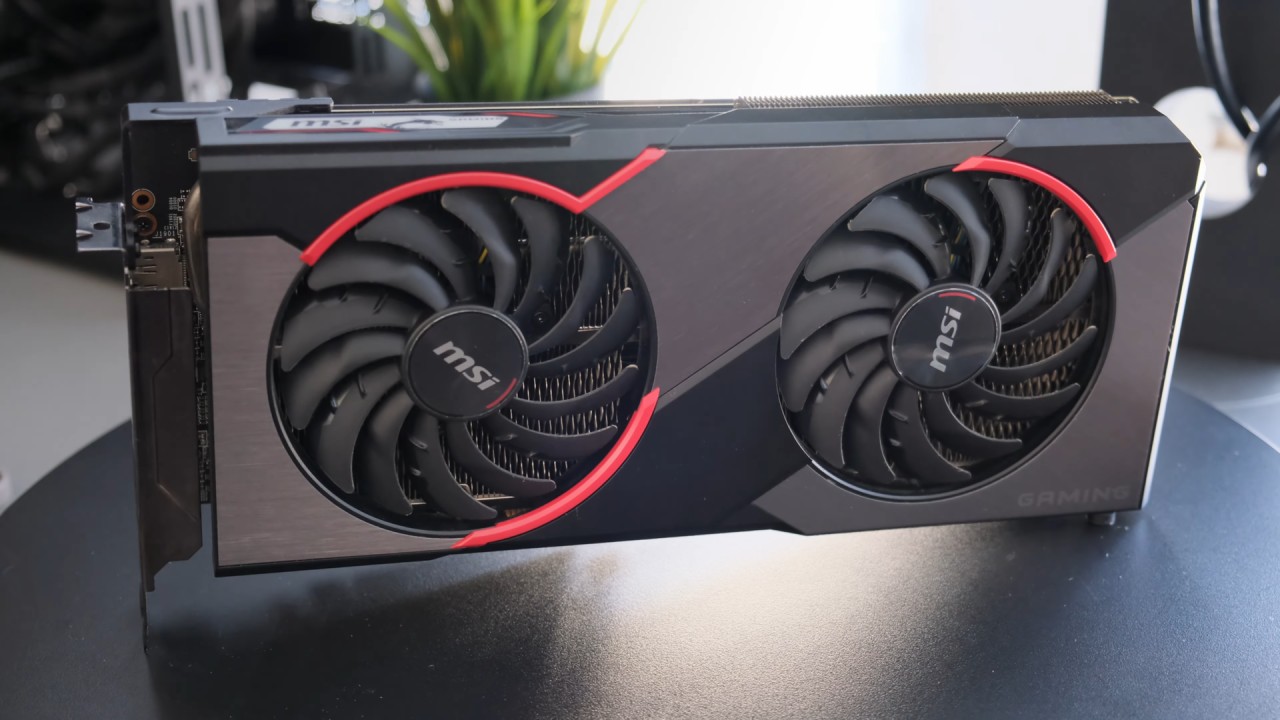
Preliminary indications of Ratio-Based Frame Generation
We hear that AMD is about to release a multiframe generation. The most recent news emphasizes changes to the GPUOpen documentation, specifically the introduction of adjustable FSR frame generation ratios. This implies that we can possibly regulate frame-generation behavior, or even permit dynamic control, as in existing dynamic multiframe generation systems.
Simultaneously, it seems that AMD is creating a lot under the hood, but not releasing fully-fledged features. With FSR Redstone, few games take full advantage of its capabilities. Features such as ray regeneration and radiance caching are hardly implemented. There is radiance caching and only two ray regeneration. Much of the real work is still upscaling and simple frame production.
Seldom Rollout of Features across Games
We still experience a lapse in announcements and releases. FSR Redstone has been mentioned months before, but when it is featured in the titles of such games as Call of Duty: Black Ops 7, it is not in full use. Radiance caching remains sparse, and significant use in a variety of games has not occurred.
On top of that, we have yet to truly have multiframe generation. AFMF3 has been leaked and changed in interfaces, but it is not officially released. Older GPUs are also not supported by FSR4, except where previously leaked to be compatible. Regeneration of rays is still sparse, and even games that do regenerate them do not exhaustively use path tracing.
The state of AFMF and FSR features at the Moment
We also observe how the AMD Fluid Motion Frames react to the absence of suitable in-game data. It goes to a standard mode and offers options such as motion blur or FSR upscaling. This indicates that the system continues to require extensive integration of games and correct configuration.
At this point, multiframe generation has not been officially offered, FSR4 is not widely supported on older hardware, and AFMF3 is still lacking. Even games that use Vulkan lack proper support for FSR4, which limits their use across a variety of games.
New Interface Controls and Expansion of Features
Examining the new materials for ADLX 1.5, we may notice increased control over frame generation. The interface has been updated with links to check support, turn the feature on or off, view existing ratios, available ratios, and set a ratio.
This is the control that we have been lacking. You can view what features are on and set them on or off. This would bring AMD closer to providing similar visibility and control to other ecosystems, where overlays provide preset usage.
Move Towards Frame Generation based on Machine Learning
We also learn that future releases of Adrenalin can automatically enable games that use FSR3.1.x to be upgraded to machine learning-based FSR4 frame generation in DirectX12 titles. The latter is already provided by a toggle in the software, which enables us to inject FSR4 in supported games.
Nonetheless, FSR4 is not yet fully supported in APIs such as Vulkan. This creates an inconsistency, particularly when playing some titles that do not support the feature.
FSR4 is developed to support RDNO4 hardware, and older GPUs use analytical fallback algorithms that effectively emulate FSR3 frame generation. The question of whether frame generation based on ratios will rely solely on machine learning or involve analytical techniques remains open.
Multi-Frame Generation and its limitations Experimentally
We have already witnessed experimental applications in the form of mods, in which multiframe generation applies to FSR3. It is functional, but it adds artifacts, particularly at high ratios, such as 5x or 6x. Latency and visual quality are also problems.
As a result, FSR4 methods based on machine learning may be required to keep latency low and artifacts to a minimum as frame generation is further scaled.
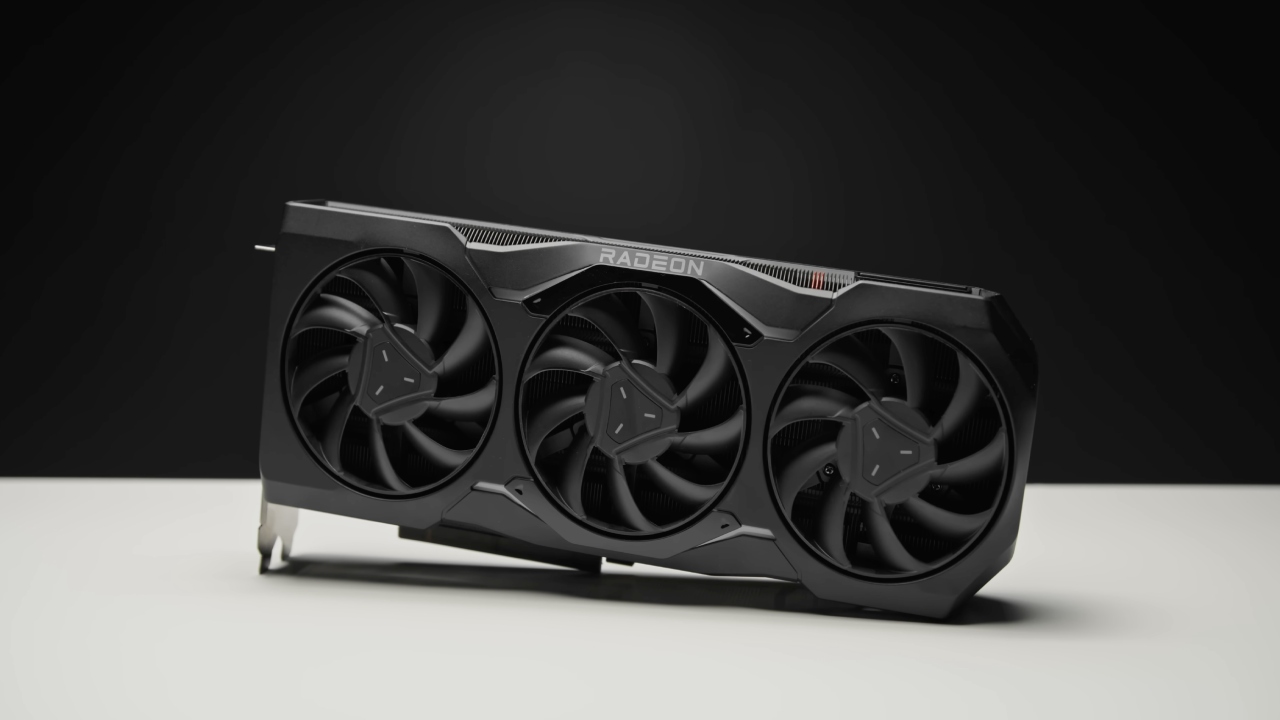
Hardware Support and Future Uncertainty
Still, it remains unclear what GPUs will have ratio-based frame generation. It will probably only apply to RDNA4 GPUs, like the RX 9000 series. It is not clear whether older hardware will be given such controls using analytical methods.
We already have a glimpse that tools such as DLSS enablers and lossless scaling indicate that AMD hardware is capable of implementing tionpower remain the determinantsrate and the GPU's power continuecontinue to be key determinants of performance, latency, and image quality.
Final Thoughts
At this stage, AMD seems to have several features in development, though not offering whole solutions. As other companies continue to update and expand their technologies, AMD's releases are minimal.
We await further guidance. Features such as multiframe generation, AFMF3, and wider FSR4 are likely but have not yet been confirmed, with schedules and availability still unknown.
Also, check our other hardware articles:
- AMD Ryzen 9 9950X3D Review: Setting The Standard For 2025 Gaming CPU
- Amazon Luna 2025 Review: Is Prime Gaming's Cloud Service Your Go-To For Casual Fun?
- AMD RX 9070 XT Review: AMD's RDNA 4 Champion for 1440p Gaming
- GeForce Now Ultimate: Ditching Your Gaming PC For Cloud RTX 4080 Power?
- NVIDIA GeForce RTX 5080 Review (2025): Still A 4K Gaming Powerhouse?
- Intel Core Ultra 9 285K Review And Performance Breakdown (2025)
- AMD Ryzen 7 9800X3D Review: 3D V-Cache Goes God Mode with Stunning Gaming Performance
- Intel Core Ultra 9 285K vs AMD Ryzen 7 9800X3D: In-Depth Gaming Performance and Benchmark Comparison
- NVIDIA GeForce RTX 5080 Super Performance In Cyberpunk 2077: Path Tracing & DLSS 4.0 Tested
- AMD Radeon RX 9070 XT In Cyberpunk 2077: Ray Tracing & FSR 4.0 Tested
- Intel Arc B580 Review: The $250 GPU Revolutionizing 1440p Gaming
- Intel Arc B570 Vs. B580: Value, Specs, And Real-World Gaming Performance
- RTX 5090 Laptop Vs. M4 Max MacBook Pro: Ultimate Raw Performance Vs. Battery Endurance
- Intel Arc b580 Vs. RTX 4060: Game Performance And Value Analysis
- RTX5090 Hell Is Us Demo 4K Ultra Benchmark: DLSS Vs. Native Performance Guide
- NVIDIA RTX 5070 Review: Mid-Range Muscle or Marketing Hype?
- Nintendo Switch 2 Review: Handheld Performance, Features & Value Breakdown
- RTX 5070 Ti Review: Performance, Thermals & Power Efficiency Tested
- Samsung Odyssey OLED G81SF Review 2025: Ultimate 32-Inch QD-OLED Gaming Monitor
- AMD RX 9070 Performance Review: Thermals, Clocks, and Real-World FPS
- AMD Ryzen 5 7600 Review: Best Budget Gaming CPU of 2025?
- AMD Radeon RX 7800 XT Review: RDNA 3 Power For Midrange Gaming
- Asus ROG RTX 5090 Astral OC Vs. Founders Edition: The 4K Gaming Benchmark
Editor, NoobFeed
Gaming Hardware Updates
No Data.