
Why AMD Radeon GPU Prices Are Dropping Below MSRP?
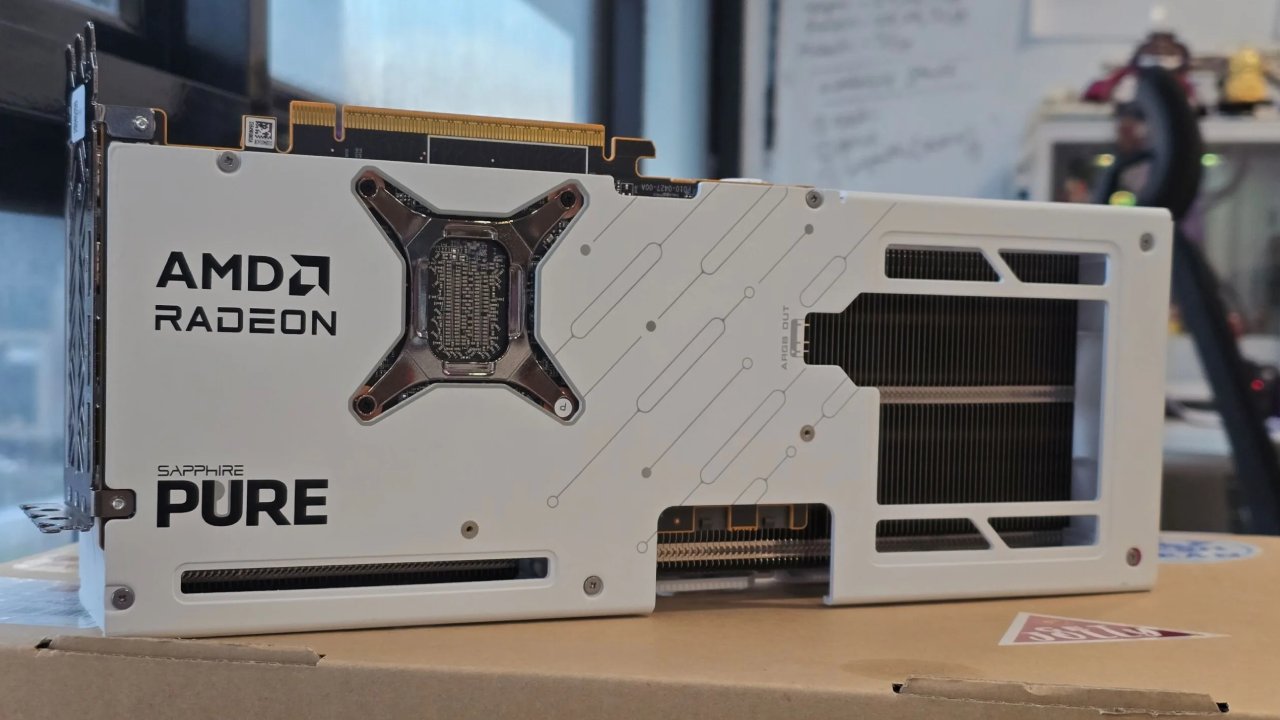
AMD Radeon graphics cards have started selling below launch price as retailers work to clear excess inventory across regions.
Hardware by Nahe Yan on Jul 22, 2026
The price of graphics cards has been high for a few years, leaving PC makers with little value as the market changes. There are new signs that the trend may be changing. This time, the change seems to be due less to better supply and more to weaker demand across the market. Reports say that the prices of several AMD Radeon GPUs have fallen below their official launch prices.
Some models are now selling for less than or close to the cost of the channels. When retailers and distributors cut prices that much, it usually means demand is lower than expected at the original price. This means sellers have to move their stock rather than keep their margins unchanged.
Total Build Cost is Driving the Slowdown
We see the main driver in the total cost of assembling a full system rather than the graphics card alone. A GPU is only one part of a build, alongside RAM, storage, a motherboard, a CPU, a power supply, a case, and cooling.
Memory and storage prices have recently climbed, raising the cost of a complete build even when the GPU itself is not the issue. As a result, you may choose to delay a GPU purchase simply because the surrounding components push the total cost too high.
This creates a loop of feedback. Hardware makers have to pay more to make memory when prices rise, but buyers buy less when prices rise. When demand declines, retailers clear out their stock by offering discounts on components like GPUs to keep sales going. Even if manufacturers want to keep prices the same, it's up to buyers to make sure that they do.
Nvidia and AMD are Not Affected Equally
Price drops for Nvidia cards, especially high-end models, are unlikely to happen soon due to this change. It does not mean that all GPU prices will drop at once. NVIDIA is still seeing strong demand for AI and professional workloads, which helps it stand out from the market for general gaming GPUs.
For regular buyers, price sensitivity is more important, and many people wait to buy a card when it's priced too high. If enough customers wait, stores can't do much else besides drop prices. It looks like this pressure is first being felt on AMD GPUs, since some models compete more directly on price.
If the price of the Radeon drops further, NVIDIA might not change its prices right away, but AMD's constant pressure can still drive price changes across the market. Another sign comes from the motherboard market, where major brands are reportedly expecting lower shipments this year.
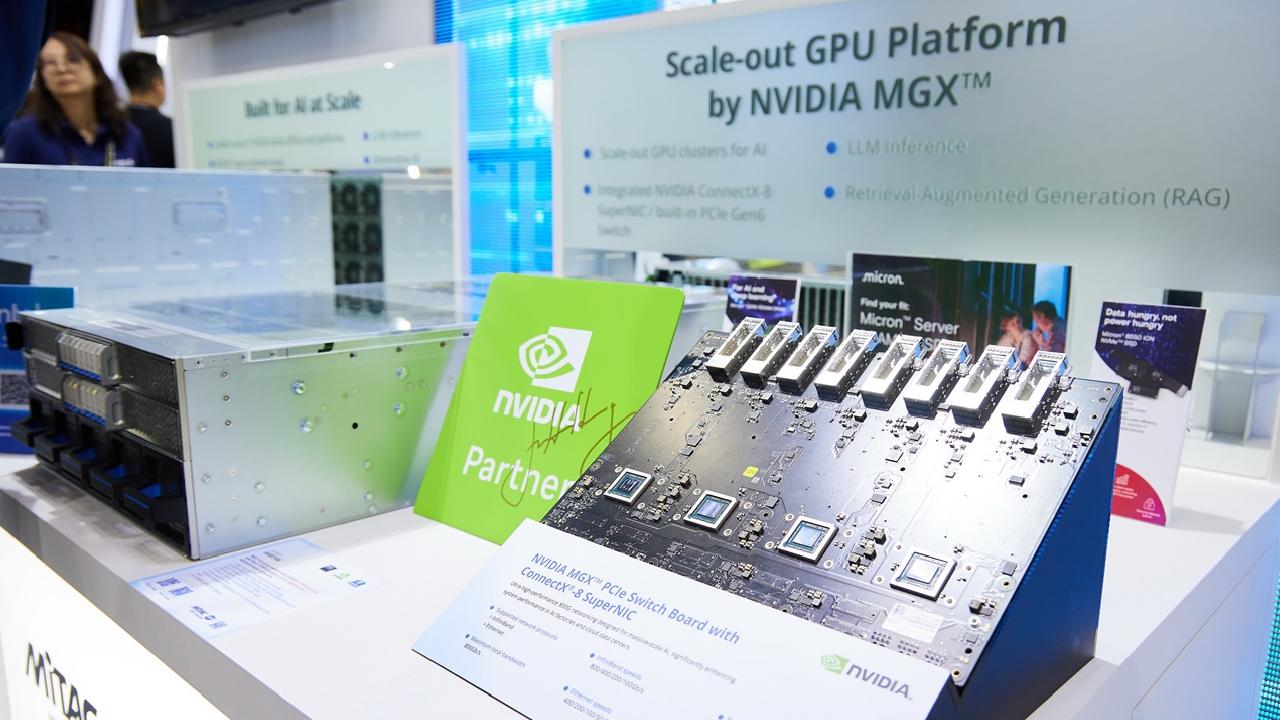
A drop in motherboard volume usually means that fewer full systems are being built recently.
Since buying a motherboard is usually the first step in building a new system, fewer new builds directly mean less demand for GPUs. All of this points to a PC market under significant stress. To keep their stock moving, some GPU sellers are already lowering their prices. Buyers are becoming more picky, and memory and storage prices keep going up.
If you need a GPU immediately, base the decision on pricing in your own market rather than assuming trends from other regions apply locally. If you are not under time pressure, waiting may work in your favor, since early signs of price weakness are already visible and further discounts could follow if demand continues to soften.
Mid-range GPUs, older-generation models, and cards still priced well above MSRP are worth watching most closely. A full-scale price collapse has not materialized, but early signs of a shift are evident. If demand continues to soften, GPU pricing could trend toward favoring buyers over sellers.
Editor, NoobFeed
Gaming Hardware Updates
No Data.