
CPU Shortage and DDR5 Price Surge Push PC Build Costs Higher in 2026
Rising CPU shortages, DDR5 inflation, and NAND price surges push overall PC build costs significantly higher in 2026.
Hardware by Shinji Okazaki on Mar 17, 2026
The price of PC hardware is expected to keep rising in 2026 due to several simultaneous supply issues affecting the market. Reports say the supply of CPUs is tightening, the price of DDR5 memory is rising, and NAND prices are rising, which is driving up SSD prices. These pressures affect almost all the key components needed to build a PC.
The situation shows that the supply chain is under significant stress because demand in the business and AI sectors is still competing with consumer hardware markets.
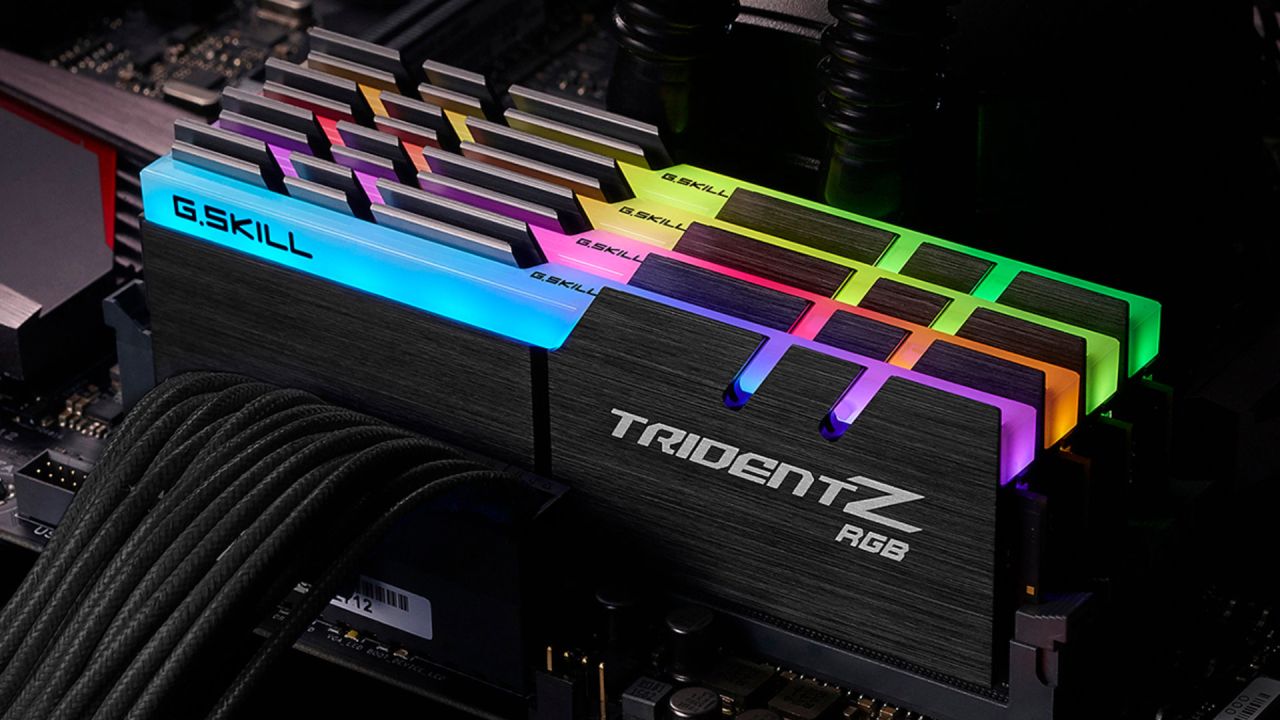
Pressure on CPU Supply is Growing Across the Market
Reports on the current Intel supply crisis say demand has outstripped supply to the point that shortages are no longer confined to a small part of the market. Earlier forecasts that shortages could peak in the first quarter of 2026 were correct, and demand has been higher than expected.
Reports say that both Intel and AMD are under pressure from businesses. In some areas, delivery times are getting longer, and prices are going up.
When there aren't enough CPUs, memory, or storage, prices go up, affecting the entire PC setup. At the same time, the prices of motherboards, RAM, SSDs, and processors all go up. That condition puts more strain on the supply chain, making purchasers pay more for multiple parts rather than just one.
Prices for DDR5 Keep Going Up
Current DDR5 price data shows that the memory market is still under significant pressure. According to TrendForce's spot data from March 13, 2026, the average price of DDR5 16GB modules at 4800 MHz and 5600 MHz is $39.33.
According to TrendForce's March 4 market bulletin, DDR5 contract prices have stabilized, and DDR5 is leading price rises in both the PC and server markets. Earlier predictions also indicated that the overall price of DRAM contracts for the first quarter of 2026 may increase by more than 100% from the previous quarter.
The same tendency may be seen in retail prices. The most recent prices for RAM reveal that a 32GB Crucial DDR5 5600mhz costs about $335, a 32GB Crucial Pro DDR5 costs about $359, a 96GB memory kit costs about $819, and a 128GB kit costs about $1,242.
These prices are higher than what you would normally find in the consumer market, indicating that supply remains tight.
Framework also changed its prices in March 2026. They said DDR5 memory is now roughly $13 to $18 per GB, and SSD costs are going to increase as cheaper stock runs out. Prices have stopped rising lately, but there is still significant pressure on supply.
NAND Prices Cause SSD Prices to Go Up
Prices for NAND memory are also rising, making SSDs more expensive. TrendForce's flash data shows that the prices of 512GB, 256GB, and 128GB TLC NAND have all increased. The prices are now $20.85, $10.14, and $6.45, respectively.
TrendForce also expects NAND flash contract costs to increase by about 55–60% every three months in the first quarter of 2026.
More reports indicate that memory spot prices rose further in February, with NAND wafer costs rising sharply. The average price of DDR5 16GB chips increased by 7.4% month over month to $39. The price of 1TB TLC flash wafers went up 25% to around $25.
Cloud infrastructure and AI workloads are changing the supply of SSDs and server memory, making them less available for consumer markets.
Reports also said that NAND costs rose by almost 50% in a short period. Companies said that both cash and inventory levels are struggling to keep up with demand.
The Prices of SSDs in Stores Reflect Changes in Supply
The cost of NAND chips has gone up, and this is now reflected in retail prices. Even with PCIe4 SSDs, a 1TB SSD can cost around $200. PCIe 5 variants usually cost a little more.
In many circumstances, 2TB SSDs can cost close to $400. This means storage prices have gotten so high that $200 per 1TB is now common across many listings.
Choices for PC Builds in 2026
If you're going to build a PC in 2026, delaying may not always mean reduced prices. Delays will likely cost more later due to higher NAND pricing, DDR5 inflation, and CPU supply constraints.
Selective buying makes sense if you currently have a stable platform and an update is optional. But if your construction project needs key parts like RAM, storage, or a CPU, it might be safer to get them before prices go up even more.
Bundles and limited-time offers may also cut prices before automated buying tools, and resellers raise prices again.
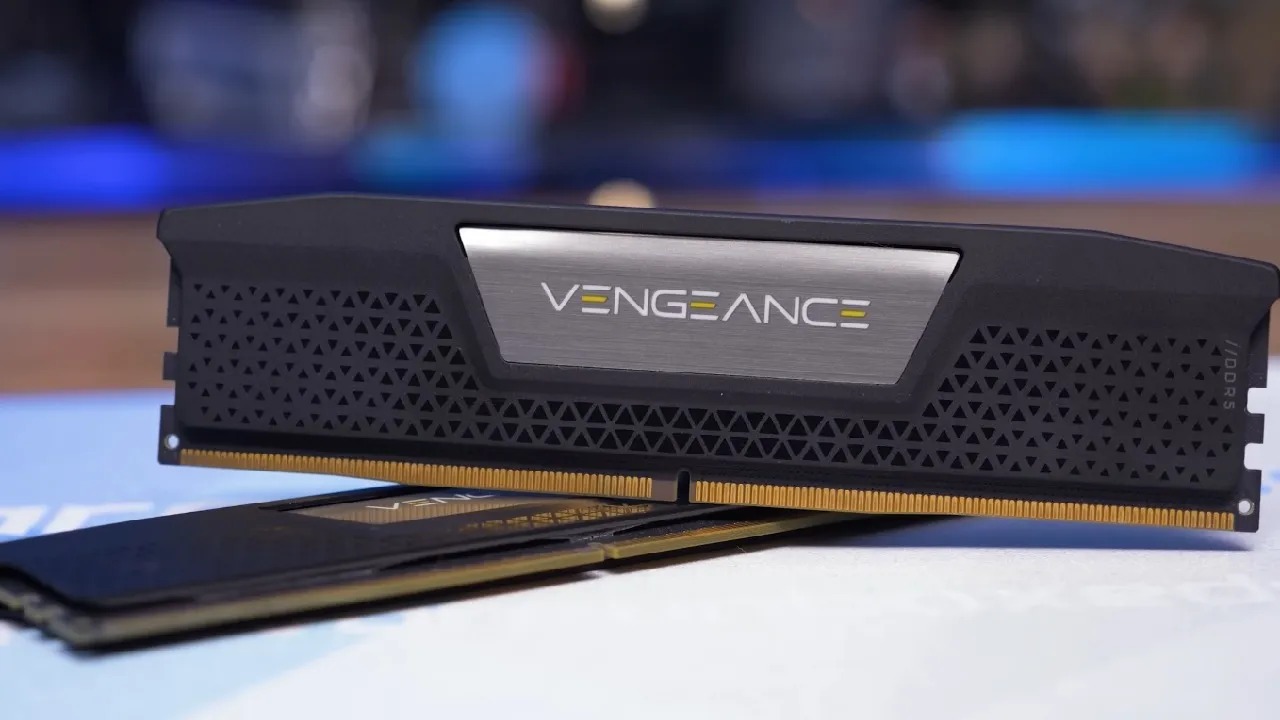
AI Demand Keeps Affecting Consumer Hardware
The growing need for AI infrastructure is the main factor affecting the PC hardware market. Enterprise customers and hyperscale data centers keep buying a lot of memory and storage.
Because those markets have higher profit margins, supply often shifts toward corporate products such as server RAM and enterprise SSDs. Consumer PC parts are less important, making them harder to find and driving up prices.
In the end, this makes it challenging for CPUs, RAM, SSDs, and GPUs to all keep their prices low at the same time.
Final Thoughts
Prices for hardware in 2026 remain uncertain due to supply constraints and demand driven by AI. The cost of creating or upgrading a PC is affected by CPU availability, DDR5 prices, and rising NAND costs. As long as demand from businesses continues to outweigh supply, prices for consumer devices will probably stay low.
Also, check our other hardware articles:
- AMD Ryzen 9 9950X3D Review: Setting The Standard For 2025 Gaming CPU
- Amazon Luna 2025 Review: Is Prime Gaming's Cloud Service Your Go-To For Casual Fun?
- AMD RX 9070 XT Review: AMD's RDNA 4 Champion for 1440p Gaming
- GeForce Now Ultimate: Ditching Your Gaming PC For Cloud RTX 4080 Power?
- NVIDIA GeForce RTX 5080 Review (2025): Still A 4K Gaming Powerhouse?
- Intel Core Ultra 9 285K Review And Performance Breakdown (2025)
- AMD Ryzen 7 9800X3D Review: 3D V-Cache Goes God Mode with Stunning Gaming Performance
- Intel Core Ultra 9 285K vs AMD Ryzen 7 9800X3D: In-Depth Gaming Performance and Benchmark Comparison
- NVIDIA GeForce RTX 5080 Super Performance In Cyberpunk 2077: Path Tracing & DLSS 4.0 Tested
- AMD Radeon RX 9070 XT In Cyberpunk 2077: Ray Tracing & FSR 4.0 Tested
- Intel Arc B580 Review: The $250 GPU Revolutionizing 1440p Gaming
- Intel Arc B570 Vs. B580: Value, Specs, And Real-World Gaming Performance
- RTX 5090 Laptop Vs. M4 Max MacBook Pro: Ultimate Raw Performance Vs. Battery Endurance
- Intel Arc b580 Vs. RTX 4060: Game Performance And Value Analysis
- RTX5090 Hell Is Us Demo 4K Ultra Benchmark: DLSS Vs. Native Performance Guide
- NVIDIA RTX 5070 Review: Mid-Range Muscle or Marketing Hype?
- Nintendo Switch 2 Review: Handheld Performance, Features & Value Breakdown
- RTX 5070 Ti Review: Performance, Thermals & Power Efficiency Tested
- Samsung Odyssey OLED G81SF Review 2025: Ultimate 32-Inch QD-OLED Gaming Monitor
- AMD RX 9070 Performance Review: Thermals, Clocks, and Real-World FPS
- AMD Ryzen 5 7600 Review: Best Budget Gaming CPU of 2025?
- AMD Radeon RX 7800 XT Review: RDNA 3 Power For Midrange Gaming
- Asus ROG RTX 5090 Astral OC Vs. Founders Edition: The 4K Gaming Benchmark
Editor, NoobFeed
Gaming Hardware Updates
No Data.