
CXMT Enters LPDDR6 Production: A Fourth DRAM Competitor Emerges
CXMT begins mass production of LPDDR6 memory, entering next-generation DRAM competition against Samsung, SK Hynix, and Micron worldwide.
Hardware by Nahe Yan on Sep 11, 2026
Over the years, a handful of manufacturers have come to dominate the DRAM market, with Samsung, SK Hynix, and Micron generating about 90% of DRAM revenue. A fourth supplier is now entering a new generation of memory, which could shift competition in the memory market. CXMT has announced mass production of LPDDR6 memory, which Xiaomi will employ in its next smartphone.
CXMT is an early market adopter of the latest-generation low-power DRAM, LPDDR6. The development raises a question for PC builders and gamers alike: Could another major memory provider bring down RAM prices in the future? CXMT has made rapid advances.
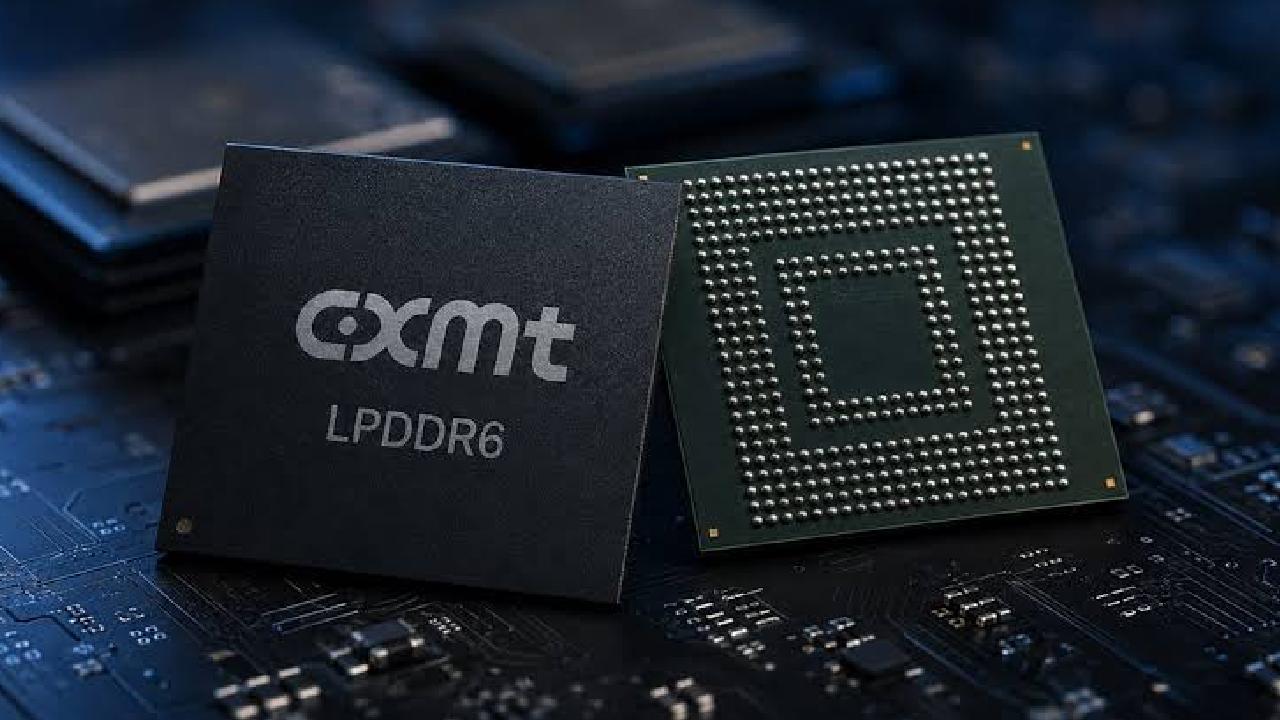
CXMT Moves Into LPDDR6
The company has less than a year of experience producing LPDDR5 at volume and already has LPDDR6 in customers' hands. The new standard is set to start at about 10.67 Gbps per pin and scale up to about 14.4 Gbps. SK Hynix indicates that its 16Gb LPDDR6 is 33% faster and over 20% more power efficient than LPDDR5X.
LPDDR6 can't be described as desktop DDR5, but the transition shows CXMT is targeting the current-generation memory market, not just past budget options. A fresh wave of CXMT chips is now available for PC buyers to watch as they enter the consumer DDR5 market. A Chinese Corsair Vengeance DDR5-6000 module was discovered with CXMT memory.
GPU buyers shouldn't overlook this either. Available system RAM is not VRAM, and CXMT entering DDR5 doesn't make GDDR7 graphics cards any cheaper. But limited DRAM availability is also helping to keep GDDR6 and GDDR7 prices up, TrendForce reports. Memory competition matters across the hardware industry.
When additional capacity becomes available, it can significantly affect availability and price in some segments but not others, depending on how much supply reaches each segment. Concentrate on the growing DRAM market share of CXMT. The question now is how serious CXMT has become about becoming a DRAM supplier.
Cheaper RAM availability remains a possibility in the long run.
According to Counterpoint, Samsung accounted for 39% of the DRAM market in the second quarter of 2026, while SK Hynix and Micron took up 26% and 25%, respectively, reflecting a global revenue share of roughly 7% for CXMT. The big three continue to reign supreme.
Finally, RAM competition is getting serious, but RAM is still not cheap. Samsung, SK Hynix, and Micron may be more impacted if they scale production for customers in other markets while maintaining good yields. This could eventually lead to more DDR5 options, greater availability, and increased competition.
Today's homebuilders, however, don't expect RAM prices to drop next month. Demand and capacity continue to put pressure on prices. A long-term change is underway. For the first time in years, the DRAM market has a fourth supplier that has the potential to become a top global contender.
Editor, NoobFeed
Gaming Hardware Updates
No Data.