
Decade of GPU Shortages Explained: From Crypto Mining to AI Memory Crisis
Understanding how cryptocurrency mining created the first GPU famine and its impact on gamers and hardware prices globally.
Hardware by Tanisha Aria on Dec 22, 2025
In the last ten years, GPU prices have changed in a way that is both annoying and familiar: first there were shortages, then price spikes, brief recoveries, and then repeated shortages.
Looking at long-term price changes, there has usually been at least one small benefit for customers stuck in these cycles. But what is happening now is totally different. The memory and graphics card issues aren't following the usual pattern. This takes away one of the only good things gamers could previously rely on.
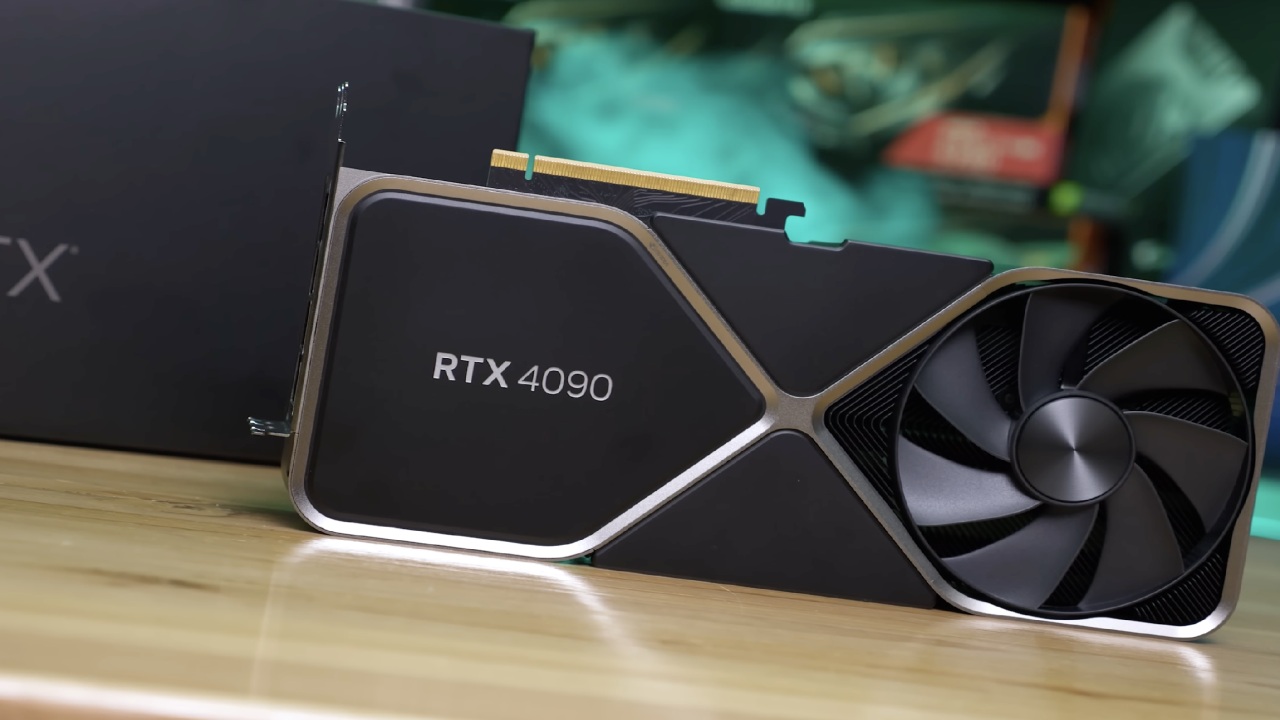
The First Great GPU Famine: Crypto Enters the Picture
The first major GPU shortage began in 2017, largely due to the surge in bitcoin mining. GPU mining became very profitable, especially for Ethereum, when Bitcoin and other cryptocurrencies went up by more than 1000%. This caused a worldwide rush to buy graphics cards, with miners locking up every unit they could find in mining rigs.
It was especially hard during this time because it became unavailable so quickly. Graphics cards used to be in many stores, but now they're not. It got really expensive, and gamers had to take what was left over because there was no stock. Some cards did quickly sell at MSRP in some markets, but these events were rare and short-lived.
Finally, the crypto boom started to lose air. In early 2018, cryptocurrency prices began to drop, mining income disappeared, and GPU prices slowly stabilized. Miners tried to make up for their losses by selling used GPUs, which turned famine into a feast. If gamers were okay with buying used gear, they could get really good deals.
The Second GPU Famine: Pandemic Meets Crypto
A second major GPU shortage occurred in 2020, and it was much worse. This time, a crypto mining boom and a global pandemic that disrupted manufacturing and supply lines collided. A perfect storm was caused by factory shutdowns, logistical problems, a level of customer demand never seen before, and a frenzy to mine.
The launch of next-generation GPUs delivered significant performance gains at reasonable prices. This made gamers excited all over again. After being let down by earlier generations, there were especially high hopes.
But the first day totally crushed those dreams. There wasn't enough to go around, so even people who bought it early missed out, and preorders meant waiting for months.
Every restock was bought up by scalpers and bots, who then sold GPUs to miners at very high prices. The miners were happy to pay thousands of dollars. MSRP was no longer available. In contrast to 2017, this shortage persisted for years, and prices only returned to normal in the middle to late 2022.
Once more, the market for used GPUs was flooded with cards that were once used for crypto mining when crypto profits dropped. Even though this helped a little, the new GPU generations were still disappointing because, it turned out, companies had found customers much richer than players.
The Shift to AI and the Memory Bottleneck
Businesses have recently entered an "AI arms race," where they try to get the best AI before their competitors can. To train and run large-scale models, huge data centers now use mind-boggling amounts of GPUs. To do this, they also need a huge amount of memory to store and handle data.
Suddenly, memory was the most broken part of the supply chain. Memory costs went up when business demand skyrocketed. A thousand dollars for 32GB of RAM is now a fact. Because graphics cards depend on memory, this shortage is now affecting GPU supply, which could lead to a famine.
.jpg)
Why This Cycle Is Different
Right now, there are two major ways GPU shortages differ from the past. First, the contest is much stronger. Gamers are now up against huge companies with much bigger budgets than they spend on themselves, instead of lone miners or small businesses. Manufacturers would much rather sell tens of thousands of GPUs at $50,000 each to businesses than $800 cards to people.
Second, and more worrying, the desire is for enterprise-grade hardware rather than consumer GPUs. In previous rounds, when crypto prices dropped, miners sold their consumer-grade cards back into the market, creating an oversupply that lowered prices. If the AI boom goes bust, there won't be a similar consumer GPU rush. Enterprise accelerators won't really help games.
Possible Futures for the Market
Looking ahead, there are three likely outcomes. In the short term, the AI boom ends quickly, no more data centers are needed, and memory becomes available again. Quickly, prices would return to normal levels, which would be a relief.
In the middle-ground situation, the demand for businesses stays the same, and memory makers slowly ramp up production. Over the next two years, the balance between supply and demand could lead to lower prices. But producers are purposely avoiding oversupply, so it is unclear what will happen.
The worst thing that could happen is that business demand stays high and outpaces supply in the long term. In that world, cheap memory and GPUs might not come back. If this happened, though, it would mean that AI actually worked way better than expected, which would be ironic because it would mean that hardware prices didn't matter while economic change took center stage.
A Cautious Optimism
Even though things don't look good, there is a chance to be carefully hopeful. Many memory makers are increasing capacity, and tech bubbles based on speculation usually don't last long. If major companies don't generate long-term profits from their large user bases, market confidence could erode, leading to a broader correction.
That kind of fix would be painful and affect many people, but it could also mark the end of the current cycle. Until then, the GPU market is stuck in a pattern that has lost its usual recovery phase, meaning people can't get as many choices and have to wait longer.
Right now, the only things we can do are watch, prepare, and hope that the next drop brings back balance instead of creating permanent scarcity in the market.
Also, check our other NVIDIA articles below:
- NVIDIA GeForce RTX 5080 Review (2025): Still A 4K Gaming Powerhouse?
- NVIDIA RTX 5070 Review: Mid-Range Muscle or Marketing Hype?
- RTX 5070 Ti Review: Performance, Thermals & Power Efficiency Tested
- ASUS GeForce RTX 5090 LC Liquid Cooled GPU Review: Unmatched Silence & Speed
- MSI GeForce RTX 5090 32GB SUPRIM SOC Review: Power Efficiency, Cooling, and Gaming Performance
- INNO3D RTX 5060 Ti 16 GB X2 Review: Gaming Benchmarks, Temps, and Power Efficiency
- HP Omen 45L Review: RTX 5090 Performance, Thermals, and Value Analysis
- ASUS TUF Gaming GeForce RTX 5060 Ti Review: DLSS 4, Power Efficiency, and Gaming
- ASUS Prime RTX 5060 Ti OC 16GB Review: DLSS 4, Ray Tracing, & Thermals Tested
- NVIDIA GeForce RTX 5060 Review: Specs, Gaming, and Cost per Frame
- MSI GeForce RTX 5090 GAMING TRIO OC Review: A Monster Power GPU
Contributor, NoobFeed
Gaming Hardware Updates
No Data.