
Intel Claims 30% CPU Performance Gain Through Game Optimization Explained
Game optimization practices influence CPU efficiency, cache utilization, and overall performance differences across modern gaming hardware architectures.
Hardware by Nahe Yan on May 06, 2026
Most of the time, how well a game runs depends on both the hardware and how well the software uses that hardware. Recent arguments suggest that future performance gains in games might come from better optimization alone, without necessarily needing changes to the way the hardware is built.
DF members mentioned a statement by Intel VP Robert Hallock, who said that games could run approximately 30 percent faster if they were better optimized for PC. The question is whether it is true or an explanation of why Arrow Lake has performed better than X3D.
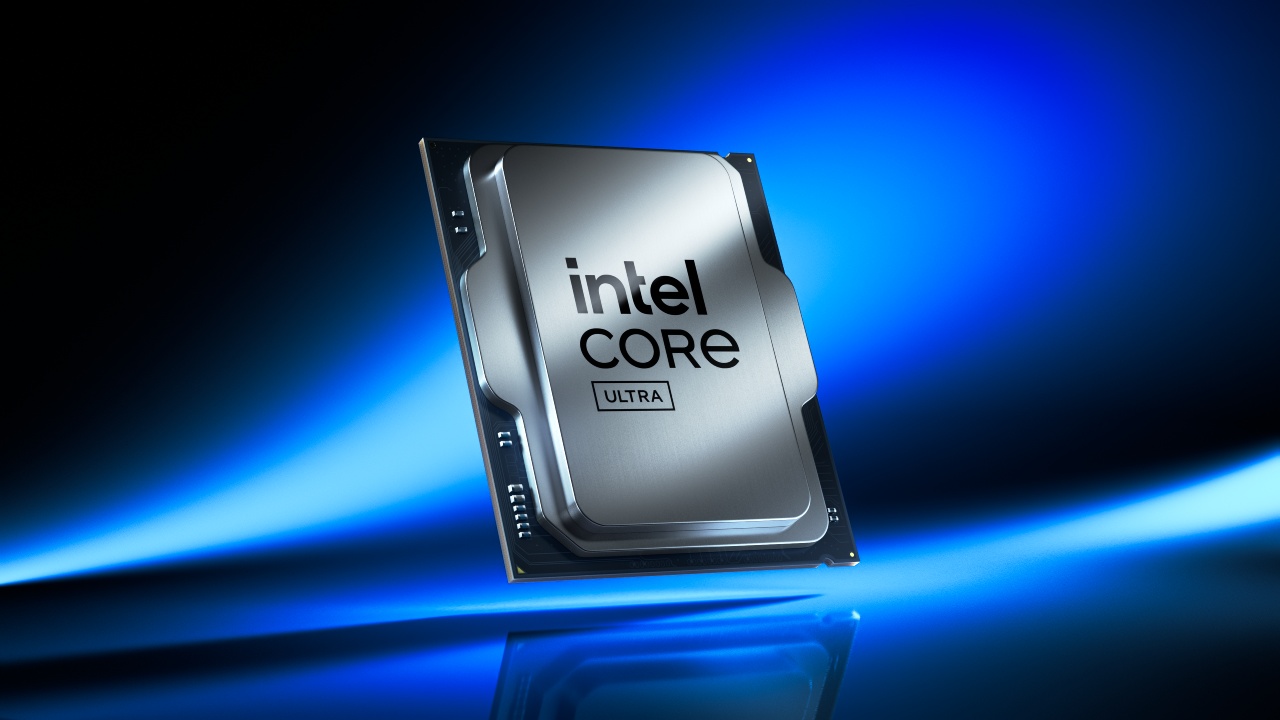
There is also the consideration that Intel has its own technology for optimizing games at the CPU level, which implies there is not necessarily a strong focus on specific CPU architectures. It raises the question of whether CPU-level optimization could be developed similarly to the game-ready drivers for a graphics card, but that would need to be invested in by Intel.
The cache-friendliness of Code.
Given Robert Hallock's statement above, taken literally, it contains some truth. Assuming developers would always write cache-friendly code, the large performance improvements observed with X3D would likely be diminished.
Measures taken in the past under various titles demonstrate that cache is an important factor. Where the code is not designed to support caching, CPUs with larger caches, like X3D variants, have an advantage.
Instruction sets were more significant in earlier days than they are now; however, they remain significant. Historically, PC games have not been able to fully utilize the latest instruction sets, as developers aimed for wider compatibility.
When a game was written to run on architectures like PowerPC or to work within the limitations of a console's hardware, such as Jaguar cores, there was little incentive to use more recent instruction sets. Developers tended to avoid program features that were unnecessary or required additional effort without any obvious benefit.
Underutilization of E-Cores
The other aspect is the way contemporary CPUs are designed to support various types of cores. With Intel’s e-cores, there is often little to no targeted usage in games. We observe that when running games on CPUs such as the 12900K, e-cores are not contributing and, in fact, may lead to worse performance.
When developers specifically used e-cores to perform tasks such as decompressing backgrounds or compiling shaders, they could deliver quantifiable performance improvements. These activities do not require heavy synchronization, so they can be used by e-cores but are seldom used by current game engines.
Industry Focus on Zen Architecture
The majority of current games are built on the AMD Zen architecture, as it is used in both consoles and a significant percentage of PCs. Consequently, game engines tend to be more optimized for Zen and, thus, the most efficient target for developers.
We observe that this strategy is naturally aimed at improving performance on AMD systems, and that Intel-specific optimizations are less prevalent. Another viewpoint is that X3D is a brute force solution.
It can, with very large cache sizes, minimize cache misses and optimize performance without the deep software optimization needed in other software systems. Although this is effective, it may not address the underlying inefficiency in the game code's cache usage.
The Need for Architectural Response
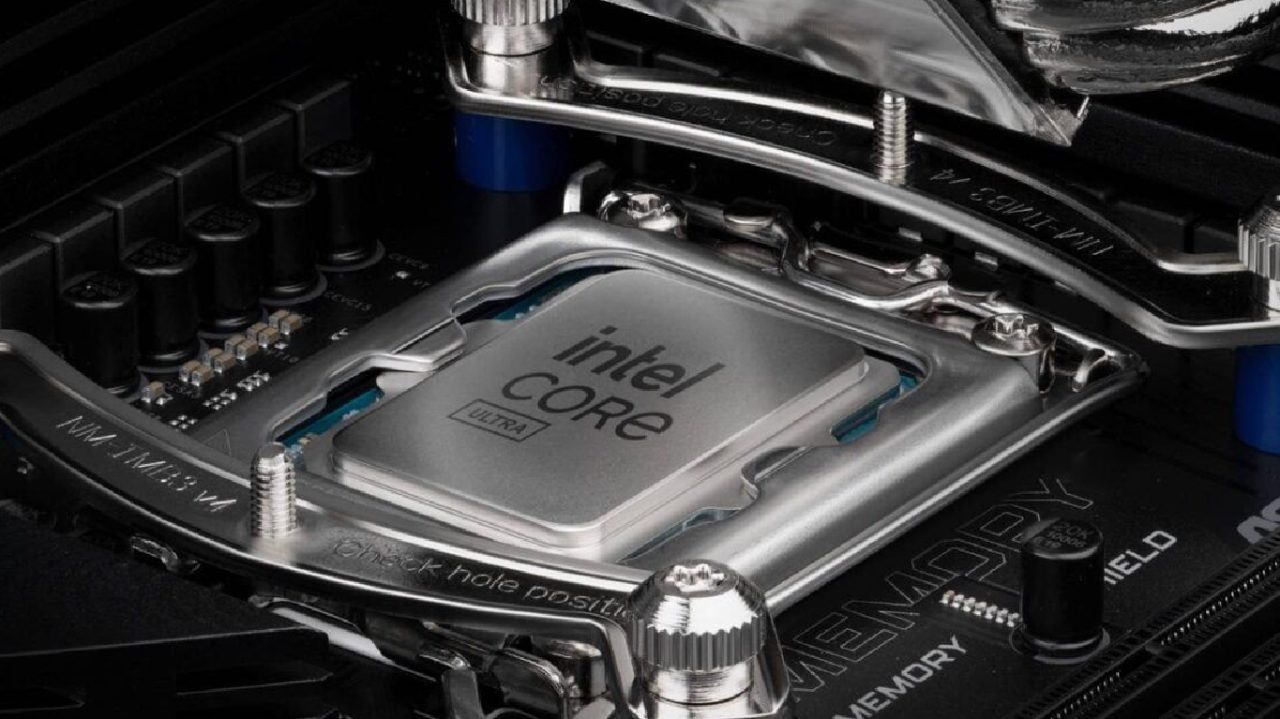
When X3D consistently delivers an average of 30 or more performance improvement under the same conditions, it indicates that cache handling is a significant factor to consider. Such large advantages in cache optimization could be minimized by better optimization.
Yet, in terms of competition, Intel may need to release similar products or implement architectural changes to compete in benchmark and cross-vendor comparisons.
It is hinted that future architectures, like Nova Lake, may have variants with much larger caches.
That would deal with the problem head-on, but it is still a brute-force solution. Meanwhile, software-level improvements in cache management can benefit not only PC gaming but also console gaming, which typically has a smaller cache than desktop CPUs.
On the whole, the argument that optimization can result in significant performance improvements has some merit. Meanwhile, software-design hardware solutions, such as increased cache, still have an immediate payoff. However, they may not address the inefficiencies in software design.
Editor, NoobFeed
Gaming Hardware Updates
No Data.