
Lenovo Handheld Price Surge Signals Shift in Gaming Market
Rising handheld gaming prices and supply constraints reshape Lenovo strategy and impact device availability across global markets.
Hardware by Shinji Okazaki on May 08, 2026
Price, supply, and plans for future game development all affect the handheld market. Companies are changing how they position and support these gadgets strategically as their prices rise and availability declines.
When it's released in 2026, the Legion Go S will be an ideal model for its price, comfort, and performance. The Z1E version of SteamOS was priced at £699. At the time, it seemed expensive, but it's now a daily driver and a highly recommended handheld.
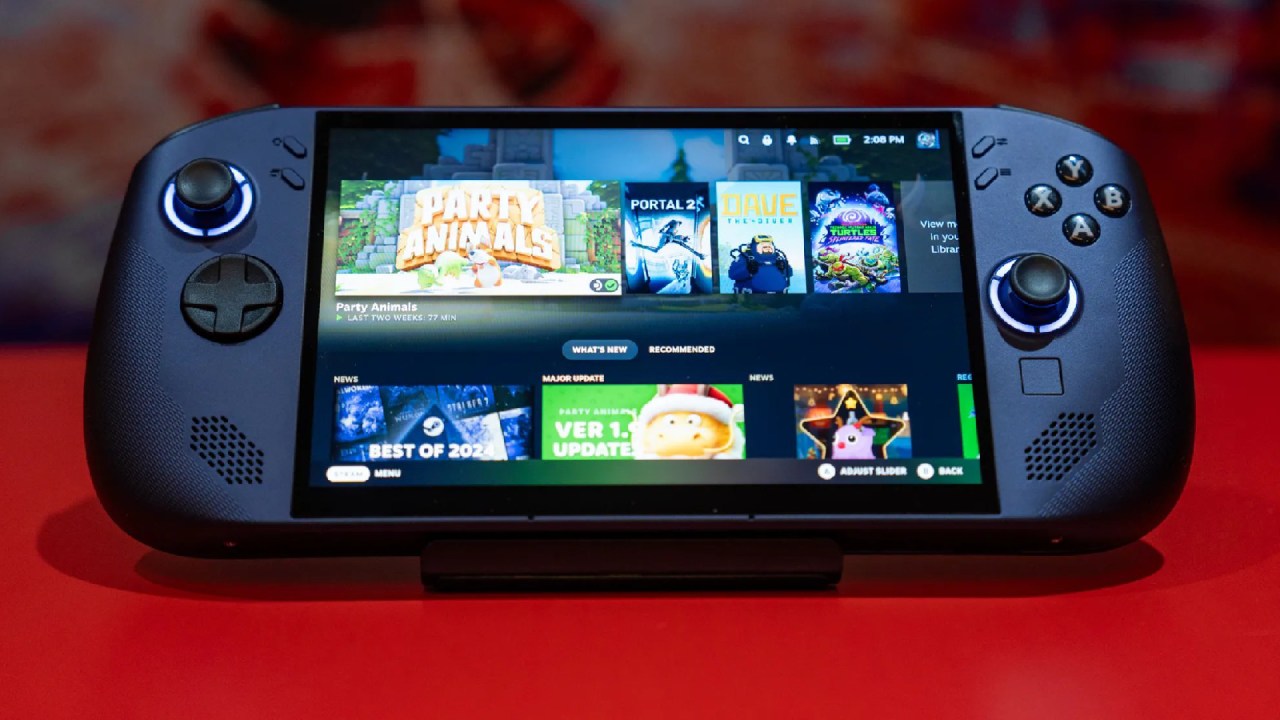
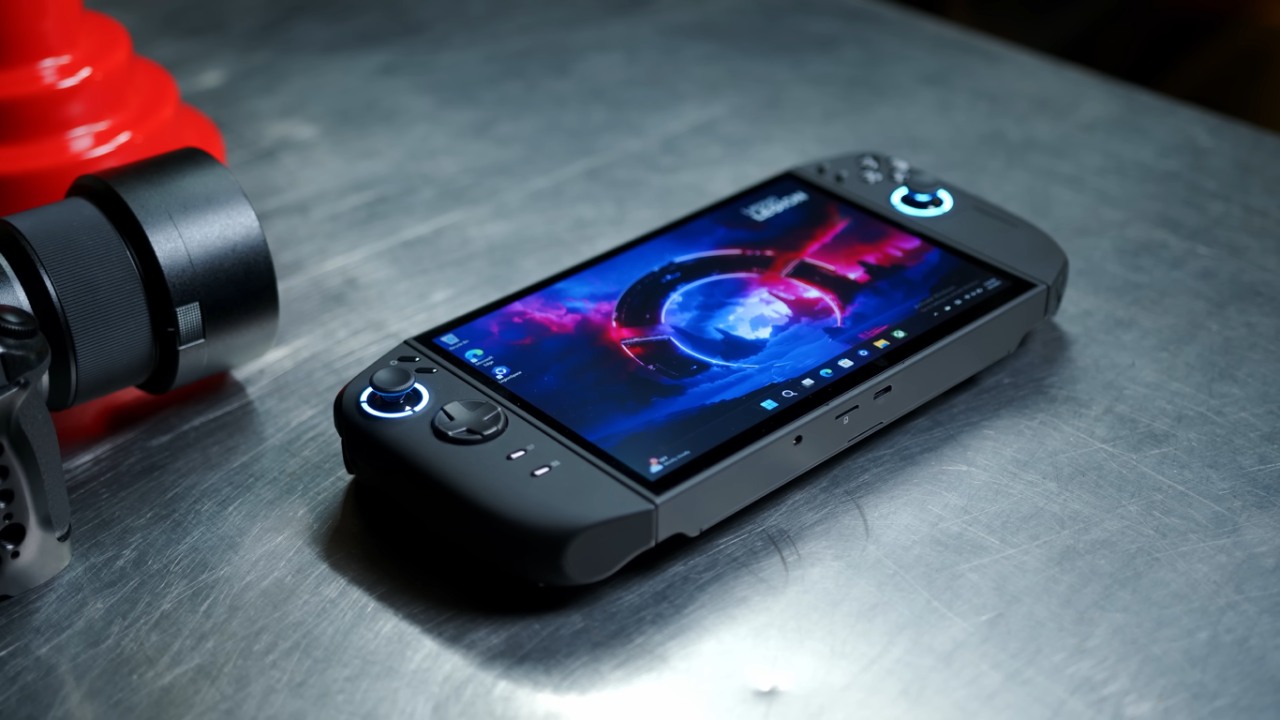
Now, those suggestions are becoming hard to follow because of price hikes on Lenovo handsets, even the original Legion Go. The increase in the UK over the past 6 months is 1.2x, from $699 to $899, for the same model as the Legion Go.
It's worse in the United States, as the same model's price has more than doubled since its release, from $829.99 to $1,579.99. Z1 Extreme processor is also in the original Legion Go, which had 512GB of storage. Still, both have been expanded, and the Legion Go 2 Z2E now costs $2,000 with 1TB of storage.
Since VAT is added to prices in the UK, the total cost will be $899. In the US, taxes are also applied, which makes device prices even higher. As you can see, the costs of growing are clear in different places, but their size stands out.
Industry-wide Constraints & Comparisons
It is not only Lenovo experiencing these challenges. AYN, however, made changes to Thor's specs to lower the price. Retroid discontinued some configurations of the Retroid Pocket 6. Ayaneo had to drop models because the parts were unclear. Unlike Lenovo, these companies operate differently; they tend to use Kickstarter campaigns and are smaller.
We know that RAM and other components are getting more costly, but the price changes applied do not all align with the trend of other components. It is not clear if the adjustments are made evenly across the market.
Availability and Support Concerns
There is more to the question of price than meets the eye. From the start, the availability of the Go S and Go 2 has been hobbled, and it has been staggered across regions, with ongoing problems with pre-orders and deliveries. Meanwhile, driver updates for the original Legion Go have been spotty, leaving their ongoing support in doubt. An update was issued in the final week of April, but it's still irregular.
If you're considering Windows vs SteamOS versions, future software support is a factor. Many users have eagerly awaited the SteamOS version of the Legion Go 2. It is expected to be released in June. But as the launch nears, there's been little communication, with doubts about pricing and even whether the launch will go ahead as planned.
The Uncertainty about Future Development
It could be that the cost and scarcity of chips are slowing down the growth of handheld development. This indicates that there will be fewer upgrades and less new equipment in the future. It also suggests that the pricing policy might be stalling the development process instead of enabling it.
However, some positive steps can still be taken. It will depend on developers' support of lower-spec devices as the hardware becomes less frequently updated.
The Trade-in Values and Alternative Platforms
While Steam Deck pricing may still rise, this is a non-issue compared to what we've seen on Lenovo's handhelds. Apart from that, Valve is also contributing to open-source efforts such as Wine, which means platforms such as PC have been improved on Android.
There's a generation of Android handhelds that are getting better and are now on par with the Legion Go S and Steam Deck in select cases. While it's not possible to play Yakuza 3 Kiwami on a Retroid Pocket 6, GameHub (Emulator) offers Yakuza 4 Remastered, which runs at 30 fps. Otherwise, the Steam Deck or Android handhelds will be sufficient for your needs if you're not going for the high-demand titles.
A Legion Go 2 will cost many times more than a cheaper small system.
This difference shows that prices may not align with what people expect today. The future of the gaming handheld device market will depend on the companies' approaches and their responses to economic conditions and supply constraints. Handheld innovation may have peaked in recent years, and the current trend may slow its pace.
At the moment, there are some options available. One can venture into the used market for devices like the Steam Deck or the Legion Go S, or look at Android handhelds as cheaper alternatives. In doing so, these methods enable you to remain in the system while avoiding the current high prices as the market adjusts.
Editor, NoobFeed
Gaming Hardware Updates
No Data.