
Lenovo Legion Go S Price Jumps to $1579 Shocking Handheld Gaming Price Hike
Lenovo Legion Go S experiences a dramatic price surge reaching $1579.99 reshaping expectations for handheld gaming affordability and value perception.
Hardware by Masaru Hoshino on Apr 21, 2026
Recent, dramatic changes in pricing in the handheld gaming market have sent tremors through the market, casting doubt on the affordability, positioning, and long-term strategy of the industry's key players. Among the most unexpected changes is Lenovo's case, where a series of high price increases across its handheld product range has left many wondering where the brand is headed.
An abrupt and drastic Price Increase
There is no rain, but it pours in Lenovo land. It's one of those evenings where nothing unusual is expected in handheld gaming, but Lenovo had other plans. The company has raised the price of its Z1E handhelds by up to 75%, almost doubling them in a single night. It does not seem to make much sense, at least at first glance, particularly since this trend is similar to that followed by the Z2E versions and the Lenovo Legion Go 2.
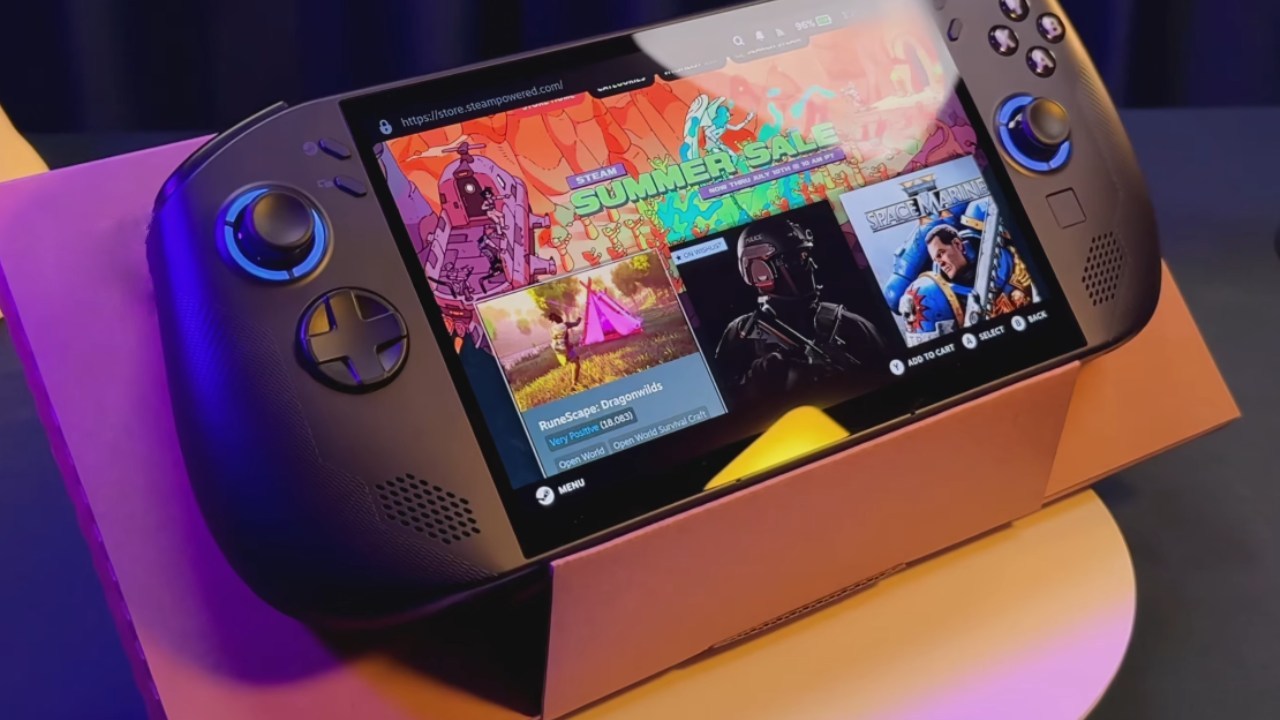
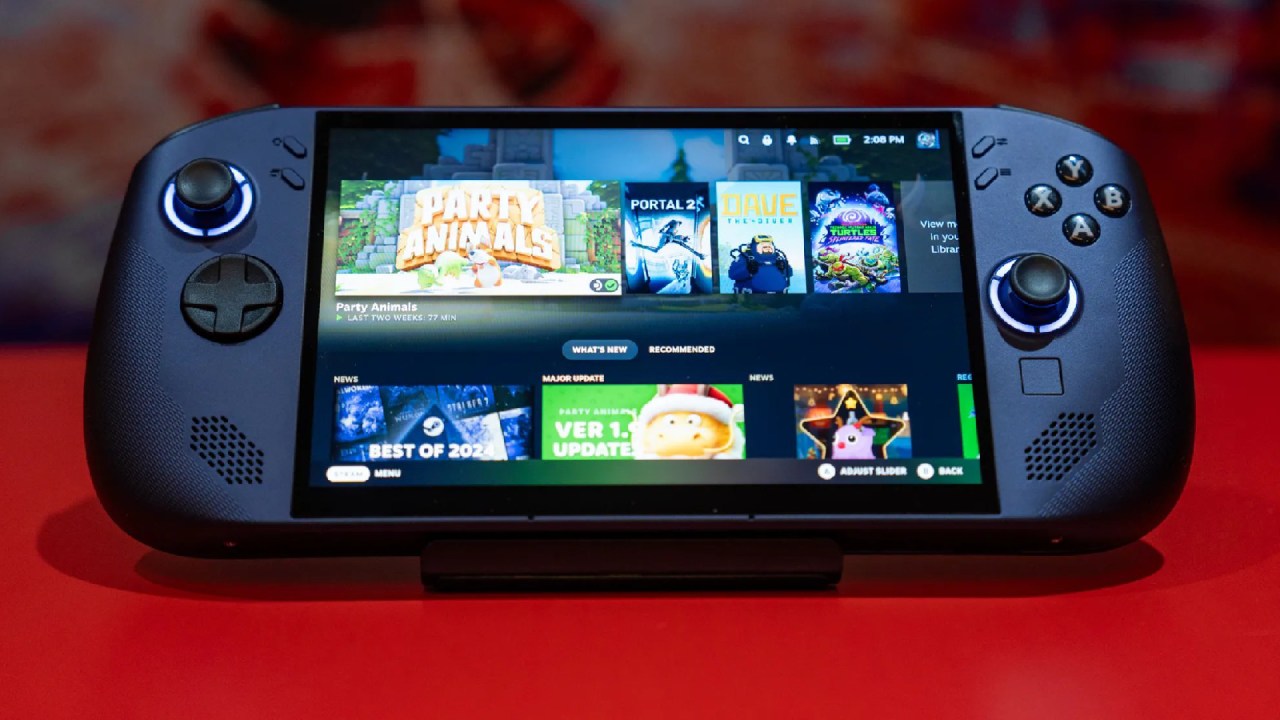
The focus here is on the Lenovo Legion Go S, considered the more affordable sibling in the lineup. This non-OLED model, powered by either the Z1 Extreme or the Lenovo-made Z2 Go processor, has now been given an outrageous price increase. The SteamOS version that includes the Z1E is currently selling for $1,579.99, a markup of 680. Such a leap is sufficient to put it on par with the initial pricing of devices like the Steam Deck.
No More Entry-Level
The weaker Ryzen Z2 with 16GB RAM and 512GB SSD has not been left out either. It has increased its price to $989.99, up 52% from last night. This isn't the OLED flagship model or a high-end configuration—it's supposed to be the entry-level option. The LCD Z1E model is priced $680 higher, and the Z2 Go version is priced $340 higher, which is a significant concern for value.
At this stage, the pricing is out of touch with reality. They were supposed to be affordable gateways into the Lenovo handheld ecosystem. Still, they currently occupy a price range that competes with high-end devices. The question arises: who is supposed to purchase these at such high prices?
Value Comparison and Alternatives
When comparing options, a better value can easily be found elsewhere. The ASUS ROG Ally X series has good performance using the Z1E chip at much lower prices, particularly in the used or open-box market. Older hardware still performs very well, and at a fraction of the new, higher prices.
Older models still have a lot of value, especially to those who are not obsessed with OLED displays or the very latest specifications. The market obviously has substitutes that further complicate these abrupt price increases.
Broken Promises and Market Positioning
This is even more confusing when one considers Lenovo's original messaging. During initial announcements, the Legion Go lineup was expected to start at around $500. That floor has practically disappeared, and present gains alone are greater than that initial price.
Although a certain degree of price change across the industry is reasonable due to component costs or supply chain pressures, the magnitude here is uncharacteristic. Competitors have adopted small increments, usually in the range of $100, but nothing like a near doubling of price.
Strategy or Exit Plan?
This gives rise to two interpretations. One of them is that Lenovo thinks it can position these devices as high-end enthusiast products, assuming a smaller group of people will be willing to pay much more for the highest-end configurations. But that argument struggles to support comparable increases on entry-level variants.
The other option is more alarming: a possible retreat of the handheld gaming market altogether. When the price is high enough to deter buying, it may be a sign of abandoning the competition in this area. The same trends have been witnessed among smaller manufacturers who are finding it difficult to sustain viable prices.
What Comes Next?
As these increases impact the whole lineup, the question now shifts to future releases. The Z2E SteamOS version is expected soon, but its price is unclear. Should the trend persist, it may be introduced at an even higher, possibly unrealistic price.
In the meantime, the suggestion is simple. In case older pricing is still offered in some channels, it can be considered. Otherwise, it seems more reasonable to explore alternatives or wait until the market stabilizes.
The Lenovo Legion Go range is highly un-recommendable at the present price levels. The scenario is indicative of a larger uncertainty in the handheld gaming market. Still, in this instance, the magnitude and rate of change are especially notable.
Also, check our other hardware articles:
- AMD Ryzen 9 9950X3D Review: Setting The Standard For 2025 Gaming CPU
- Amazon Luna 2025 Review: Is Prime Gaming's Cloud Service Your Go-To For Casual Fun?
- AMD RX 9070 XT Review: AMD's RDNA 4 Champion for 1440p Gaming
- GeForce Now Ultimate: Ditching Your Gaming PC For Cloud RTX 4080 Power?
- NVIDIA GeForce RTX 5080 Review (2025): Still A 4K Gaming Powerhouse?
- Intel Core Ultra 9 285K Review And Performance Breakdown (2025)
- AMD Ryzen 7 9800X3D Review: 3D V-Cache Goes God Mode with Stunning Gaming Performance
- Intel Core Ultra 9 285K vs AMD Ryzen 7 9800X3D: In-Depth Gaming Performance and Benchmark Comparison
- NVIDIA GeForce RTX 5080 Super Performance In Cyberpunk 2077: Path Tracing & DLSS 4.0 Tested
- AMD Radeon RX 9070 XT In Cyberpunk 2077: Ray Tracing & FSR 4.0 Tested
- Intel Arc B580 Review: The $250 GPU Revolutionizing 1440p Gaming
- Intel Arc B570 Vs. B580: Value, Specs, And Real-World Gaming Performance
- RTX 5090 Laptop Vs. M4 Max MacBook Pro: Ultimate Raw Performance Vs. Battery Endurance
- Intel Arc b580 Vs. RTX 4060: Game Performance And Value Analysis
- RTX5090 Hell Is Us Demo 4K Ultra Benchmark: DLSS Vs. Native Performance Guide
- NVIDIA RTX 5070 Review: Mid-Range Muscle or Marketing Hype?
- Nintendo Switch 2 Review: Handheld Performance, Features & Value Breakdown
- RTX 5070 Ti Review: Performance, Thermals & Power Efficiency Tested
- Samsung Odyssey OLED G81SF Review 2025: Ultimate 32-Inch QD-OLED Gaming Monitor
- AMD RX 9070 Performance Review: Thermals, Clocks, and Real-World FPS
- AMD Ryzen 5 7600 Review: Best Budget Gaming CPU of 2025?
- AMD Radeon RX 7800 XT Review: RDNA 3 Power For Midrange Gaming
- Asus ROG RTX 5090 Astral OC Vs. Founders Edition: The 4K Gaming Benchmark
Editor, NoobFeed
Gaming Hardware Updates
No Data.