
NVIDIA Entering CPU Market: N1 Chip Signals Major Shift in Consumer Computing
Nvidia’s N1 chip leak signals a strong entry into the consumer CPU market with highly integrated system design.
Hardware by Masaru Hoshino on Apr 11, 2026
As major competitors push the limits of speed, architecture, and innovation, the CPU industry is reaching a turning point. The fight for domination is getting more intense as new competitors enter the field and next-generation processors are on the way. This might change the future of computing.
AMD vs Intel: A Next-Generation Showdown
AMD and Intel's next generation of CPUs are going to be a battle for the ages. Both firms are clearly investing everything they have into their next processors, which they hope will set new benchmarks for performance across the board.
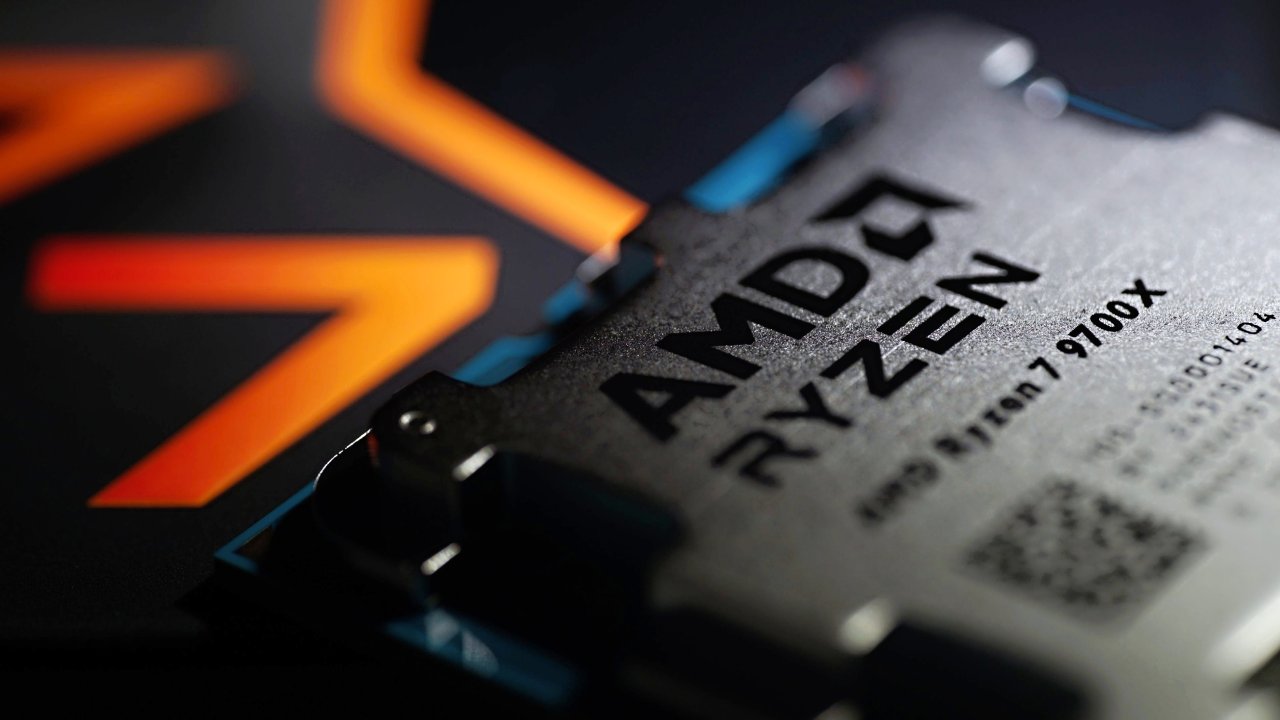
There are rumors that AMD's Ryzen 10000 series will be a big step up, with core counts going up to 24 cores and 48 threads. These processors should be made on a 2nm node, which will boost IPC and raise clock rates by a huge amount, possibly up to 7GHz.
Intel's Nova Lake chips, on the other hand, are going even further with core scaling, with reports saying they can have up to 52 cores. There are also rumors that Intel may release a new cache technology called BLLC, or Big Last Level Cache, that is similar to X3D.
Recent leaks suggest that Intel's Coyote Cove P-cores may have a higher average IPC than AMD's Zen 6 architecture, although Zen 6 may have faster clock speeds. This makes for a fair and very competitive situation where both organizations are going after separate strengths. Users will benefit from better performance and faster innovation as they keep pushing each other.
NVIDIA's First Consumer CPU Emerges
NVIDIA's First Consumer CPU Is Here. NVIDIA's long-rumored move into the consumer CPU market is finally happening. A recently leaked engineering board with the N1 system-on-chip gives us a first look at what the business has been working on.
The device has eight memory modules that can hold up to 128GB of LPDDR5X and can supposedly run at speeds of up to 8533 megabits per second. It also has two M.2 SSD slots, Wi-Fi built in, HDMI output, a 3.5mm audio socket, USB Type-C, and USB Type-A ports.
Even though the listing was taken down, the way it looked indicated that Nvidia is already making a lot of progress on its CPU work. The design's level of integration shows that they are really trying to get into the consumer market. If plans haven't altered, these chips seem to be almost ready to be released.
NVIDIA and Intel Join Forces for a Monster Chip
NVIDIA and Intel are working together on a big project that could result in the most powerful hybrid processor ever made. After Nvidia put $5 billion into the company and agreed to work together on new technologies, more information is starting to come out.
There are rumors that the next chips, which could be part of the Nova Lake HX series, will include up to 28 CPU cores and several built-in GPU parts. More importantly, leaks mention a project called Serpent Lake, which is related to Intel's Titan Lake design.
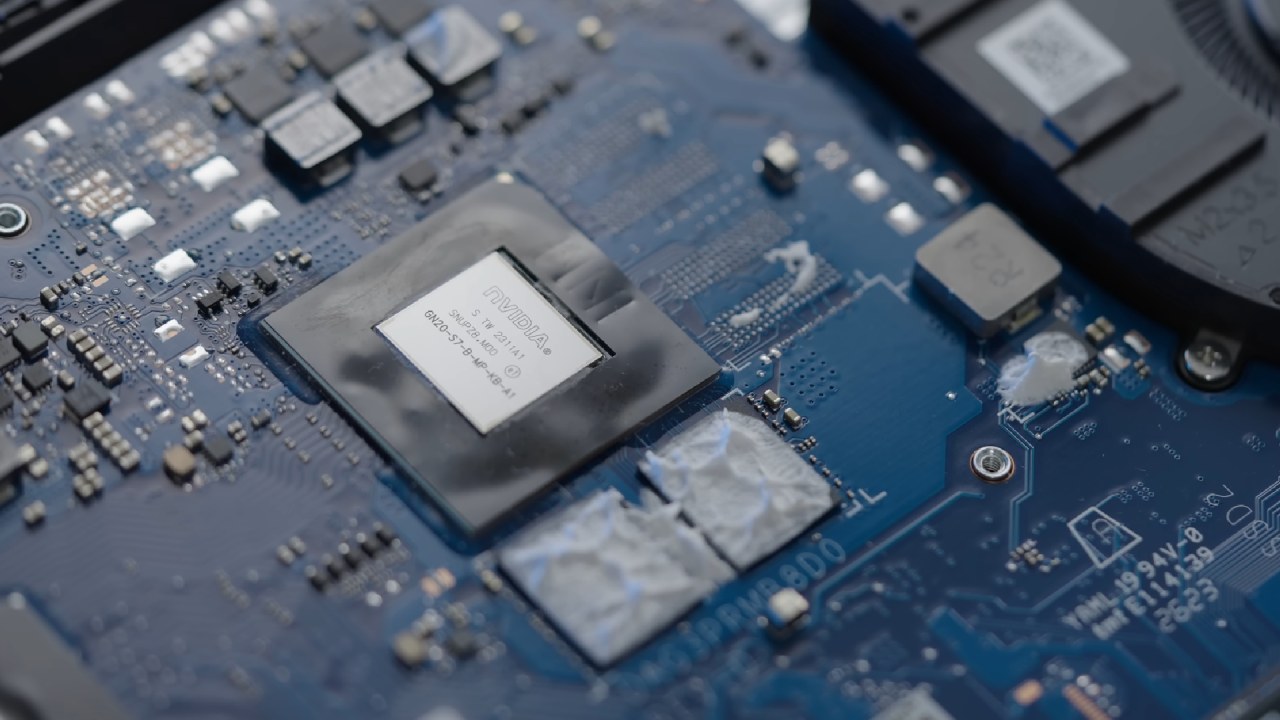
Instead of Intel's usual P-core and E-core hybrid design, Titan Lake is likely to have a unitary core architecture. This method might make thread directors unnecessary and let several smaller cores work together to make larger execution units, which would make things run more smoothly and quickly.
What matters even more is that these processors might be able to work with an Nvidia GPU directly. This combination could lead to a strong chip that combines high-performance CPU functions with excellent graphics processing in one device.
The fast progress in CPU technology, along with new players and strategic partnerships, shows that the market is quite competitive. AMD, Intel, and Nvidia are all working hard to push the limits, and the next generation of processors will make big improvements in speed, efficiency, and overall power.
Also, check our other hardware articles:
- AMD Ryzen 9 9950X3D Review: Setting The Standard For 2025 Gaming CPU
- Amazon Luna 2025 Review: Is Prime Gaming's Cloud Service Your Go-To For Casual Fun?
- AMD RX 9070 XT Review: AMD's RDNA 4 Champion for 1440p Gaming
- GeForce Now Ultimate: Ditching Your Gaming PC For Cloud RTX 4080 Power?
- NVIDIA GeForce RTX 5080 Review (2025): Still A 4K Gaming Powerhouse?
- Intel Core Ultra 9 285K Review And Performance Breakdown (2025)
- AMD Ryzen 7 9800X3D Review: 3D V-Cache Goes God Mode with Stunning Gaming Performance
- Intel Core Ultra 9 285K vs AMD Ryzen 7 9800X3D: In-Depth Gaming Performance and Benchmark Comparison
- NVIDIA GeForce RTX 5080 Super Performance In Cyberpunk 2077: Path Tracing & DLSS 4.0 Tested
- AMD Radeon RX 9070 XT In Cyberpunk 2077: Ray Tracing & FSR 4.0 Tested
- Intel Arc B580 Review: The $250 GPU Revolutionizing 1440p Gaming
- Intel Arc B570 Vs. B580: Value, Specs, And Real-World Gaming Performance
- RTX 5090 Laptop Vs. M4 Max MacBook Pro: Ultimate Raw Performance Vs. Battery Endurance
- Intel Arc b580 Vs. RTX 4060: Game Performance And Value Analysis
- RTX5090 Hell Is Us Demo 4K Ultra Benchmark: DLSS Vs. Native Performance Guide
- NVIDIA RTX 5070 Review: Mid-Range Muscle or Marketing Hype?
- Nintendo Switch 2 Review: Handheld Performance, Features & Value Breakdown
- RTX 5070 Ti Review: Performance, Thermals & Power Efficiency Tested
- Samsung Odyssey OLED G81SF Review 2025: Ultimate 32-Inch QD-OLED Gaming Monitor
- AMD RX 9070 Performance Review: Thermals, Clocks, and Real-World FPS
- AMD Ryzen 5 7600 Review: Best Budget Gaming CPU of 2025?
- AMD Radeon RX 7800 XT Review: RDNA 3 Power For Midrange Gaming
- Asus ROG RTX 5090 Astral OC Vs. Founders Edition: The 4K Gaming Benchmark
Editor, NoobFeed
Gaming Hardware Updates
No Data.