
NVIDIA RTX 60 Series Delay Speculation Grows as RTX 50 Super Plans Collapse
Industry rumors suggest shifting launch timelines as Nvidia balances next-generation GPUs against supply constraints and soaring memory costs.
Hardware by Masaru Hoshino on Feb 08, 2026
There are a lot of rumors going around on the internet that Nvidia might push back the release of the RTX 60 series graphics cards from 2027 to 2028. There has been more speculation in the last few days, largely driven by reports from industry experts and other sources.
The rumors have caused a lot of discussion about Nvidia's plans for the next generation and if a delay like this is even possible at this point.
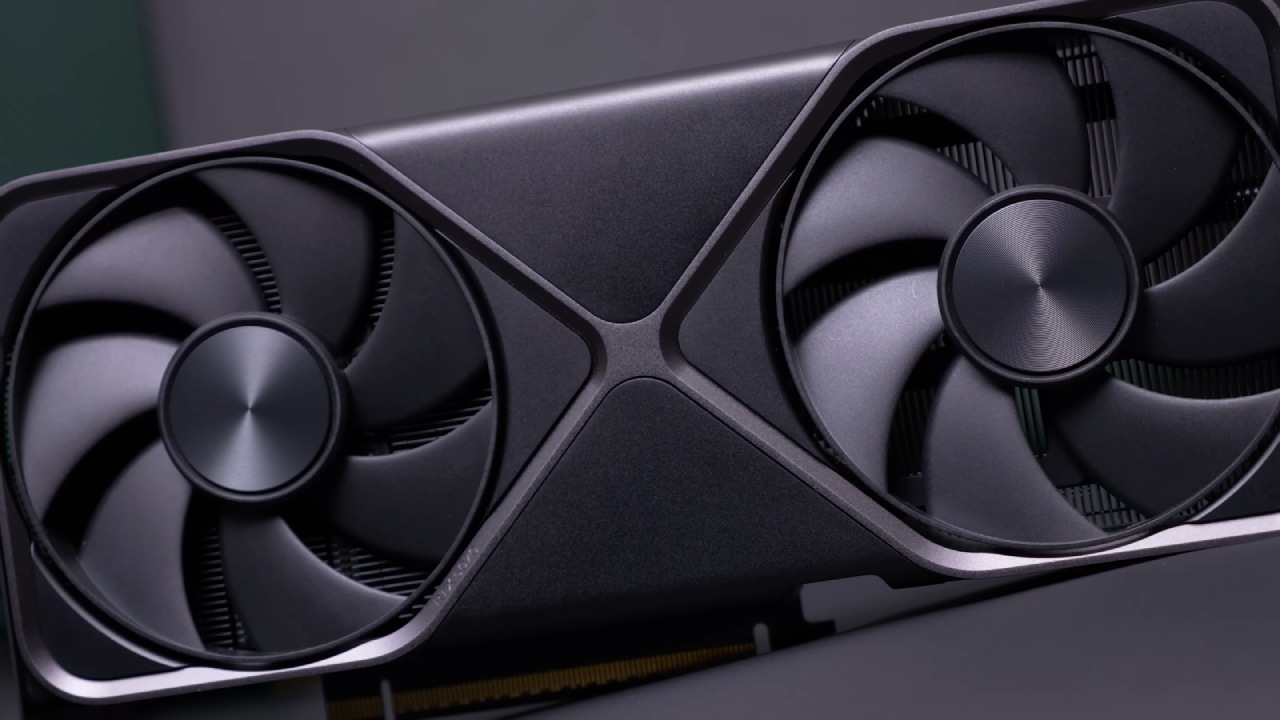
RTX 50 Super Series Facing Uncertainty
The RTX 50 Super series is a big aspect of the rumor. Reports say that the RTX 50 Super lineup is either very late or may be scrapped, and there are no plans to release it this year. This seems mostly correct based on information acquired earlier and confirmed in current talks with several sources.
Partners who were going to add in boards had previously been told about the standards, received PCBs, and been briefed.
People thought that the RTX 50 Super cards would be relatively similar to the ordinary ones, with the main difference being more memory. The RTX 5080 Super, for example, was supposed to have 24GB instead of 16GB. It was said that only one model, the RTX 5070 Super, will include more SMs.
It was thought that some models, like the RTX 5070 Super, would go from 12GB to 18GB, which would have been very helpful for ray tracing with high-quality textures.
When ray tracing and high-resolution assets are turned on, memory capacity might become a problem in demanding games like Ratchet and Clank and Spider-Man 2. Even if there are clear benefits, Nvidia doesn't have much reason to release a new version, since there isn't much competition. AMD isn't going to update its lineup, thus the market won't move much until new hardware comes out.
Questioning the RTX 60 Series Delay Claims
The more controversial assertion is that Nvidia has already decided to delay the RTX 60 series. It is feasible, but talks with several sources suggest it is way too early for such a decision. A lot of people think Nvidia doesn't need to make that choice yet.
To understand why, it helps to look at what Nvidia is doing with its hardware right now. The professional RTX 6000 Blackwell card has the same GB202 die as the RTX 5090. This isn't odd, since Nvidia often uses high-end gaming chips in professional products. The RTX 6000 has a 512-bit memory bus, up to 96GB of RAM, 128MB of L2 cache (cut down to 96MB on gaming models), and fewer SMs and RT cores.
Because of this overlap, it doesn't make much sense to think that Nvidia would halt working on the next generation of consumer architecture, which is sometimes called Rubin.
Both professional and consumer goods need the same fundamental design work, tape-out procedure, engineering samples, and validation. NVIDIA will keep making drivers, DLSS, and other platform technologies, no matter how different the software stack is.
There are still about 18 months of development time left, even though early speculations said the game might come out in the second half of 2027. It would be quite strange to cancel or formally delay a product this early unless there were substantial problems, such as huge memory price spikes, severe shortages of foundry capacity, or catastrophic supply chain breakdowns.
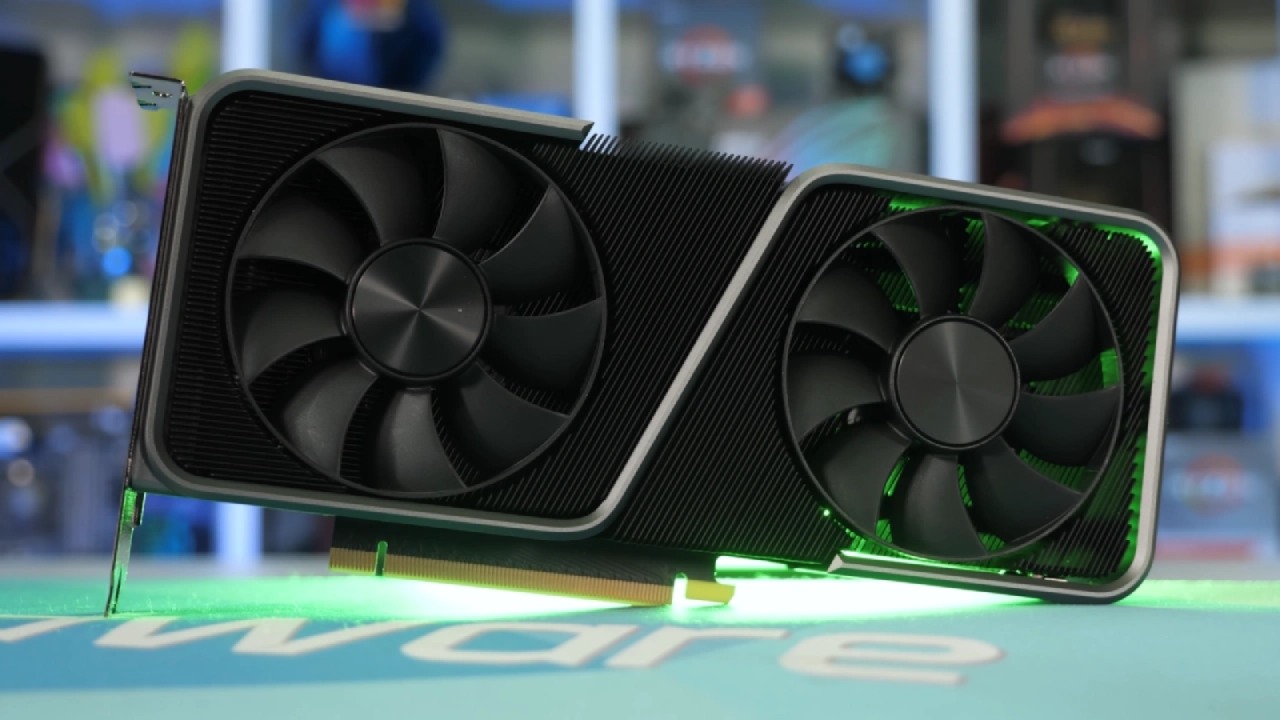
Memory Market Pressures and Supply Constraints
It seems too early to make a formal decision about a delay, but there is no doubt that the market is under a lot of stress. GPU availability remains unstable, and memory prices are rising rapidly.
Reports say several of the biggest PC makers are exploring alternative sources of memory due to supply problems. Ramp-up times for new suppliers are still a problem, and it seems that the whole sector was caught off guard by the unexpected rise in demand.
This unpredictability is shown in the prices at stores. Prices for graphics cards are sometimes far more than the MSRP, especially for 8GB and 16GB variants. There is stock, but it isn't always easy to find, and prices are growing more and more unstable.
NVIDIA has openly denied stopping manufacturing of any 16GB versions, but it looks like the company's supply priorities are changing. Talking to others in the sector makes it clear that Nvidia is not the only company encountering these problems.
Seasonal Manufacturing Disruptions and Demand Growth
In the past, short-term supply drops have happened due to seasonal plant closures. In past years, production has slowed down for a short time before stabilizing. These problems usually don't last long, but when they happen with high demand, they might make current shortages worse.
The demand itself is rising. Sales of PC hardware are doing very well, and current platform data reveal that usage of RTX 5060, RTX 5070, RTX 5070 Ti, and even higher-end models is growing quickly. In just a few months, the market share of some of these GPUs has nearly doubled, which shows that people are quite interested in them.
Game publishers have also seen that PC sales are growing more and more important, which supports the concept that demand is not going to slow down anytime soon.
Outlook for RTX 50 Super and RTX 60 Series
Unless something big happens in the market, the RTX 50 Super series seems to be dead for now. It wouldn't be unusual if some SKUs in the RTX 60 series came out later than expected or if Nvidia chose to release them in waves, starting with a flagship or Titan-class card.
But right now, there isn't much proof that Nvidia has already set a full generational delay. It is still more likely that a final decision will be made much later, when the market is more stable, there is more competition, and the supply chain is clearer.
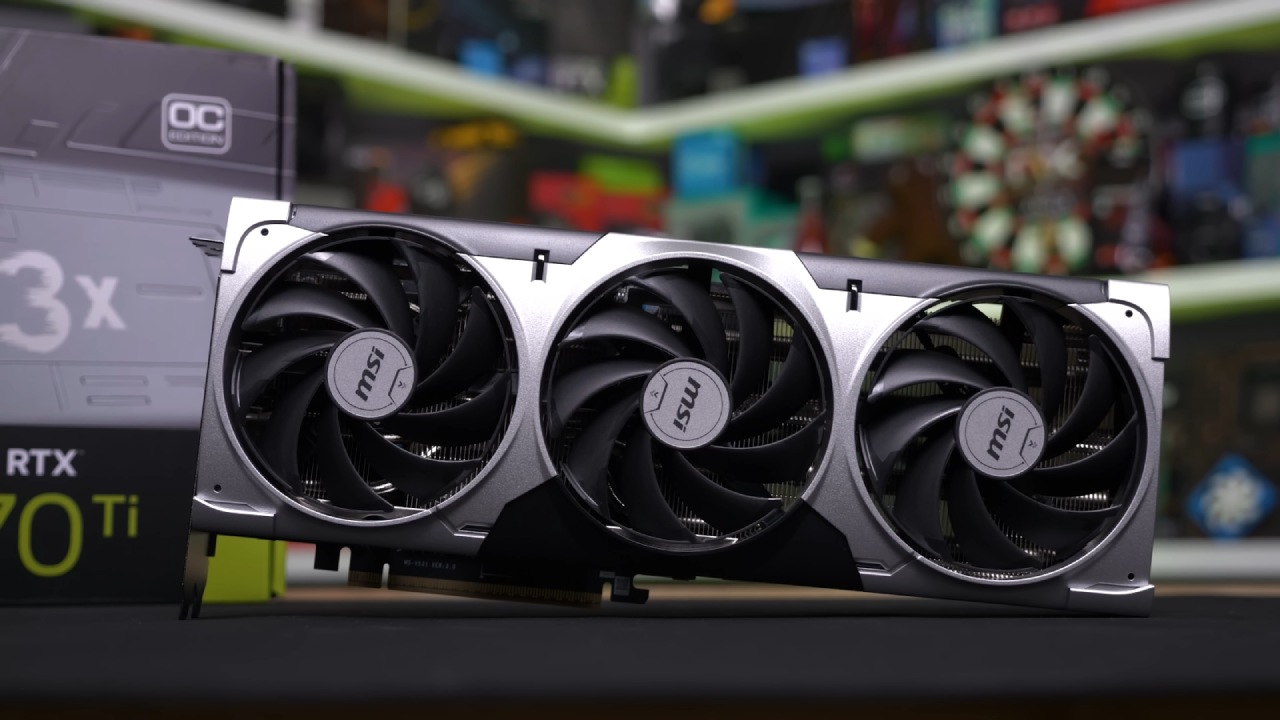
Performance Regression Concerns in Recent Game Updates
A recent game update, on the other hand, caused a big drop in performance, with complaints of framerate drops of up to 50%. The problem is caused by a modification in DRM that switched out one system for another, even though the game was already widely pirated. Because of this, real buyers are now having inferior performance, even though the time to get a refund has long since passed.
The decline in performance was readily obvious during recent benchmarks, which caused uncertainty until the cause became clear. These kinds of things show how frustrating DRM schemes are for paying customers because they don't really stop piracy.
Final Thoughts
There is a lot of demand for GPUs right now, but supply is low, and memory prices are going up. There is still a lot of uncertainty, especially about when the next generation will come out, but it's too soon to say for sure that Nvidia has decided to delay the RTX 60 series.
For now, everything is still up in the air, but clearer signs should come out closer to the predicted launch timeframe.
Also, check our other articles below:
- AMD Ryzen 9 9950X3D Review: Setting The Standard For 2025 Gaming CPU
- AMD Ryzen 7 9800X3D Review: 3D V-Cache Goes God Mode with Stunning Gaming Performance
- AMD RX 9070 Performance Review: Thermals, Clocks, and Real-World FPS
- AMD Ryzen 5 7600 Review: Best Budget Gaming CPU of 2025?
- AMD Radeon RX 7800 XT Review: RDNA 3 Power For Midrange Gaming
- Sapphire NITRO+ AMD Radeon RX 9070 XT Review: The Ultimate 4K Gaming GPU
- AMD Ryzen 7 7800X3D: Delivers Gaming Performance Far Beyond Expectations
- AMD Ryzen 9 7900X Review: Powering the AM5 Era with DDR5 & PCIe 5.0
- Intel Core i9‑14900K vs. AMD Ryzen 7 7800X3D: Power Profiles & Gaming Benchmarks
- NVIDIA GeForce RTX 5080 Review (2025): Still A 4K Gaming Powerhouse?
- NVIDIA RTX 5070 Review: Mid-Range Muscle or Marketing Hype?
- RTX 5070 Ti Review: Performance, Thermals & Power Efficiency Tested
- ASUS GeForce RTX 5090 LC Liquid Cooled GPU Review: Unmatched Silence & Speed
- MSI GeForce RTX 5090 32GB SUPRIM SOC Review: Power Efficiency, Cooling, and Gaming Performance
- INNO3D RTX 5060 Ti 16 GB X2 Review: Gaming Benchmarks, Temps, and Power Efficiency
- HP Omen 45L Review: RTX 5090 Performance, Thermals, and Value Analysis
- ASUS TUF Gaming GeForce RTX 5060 Ti Review: DLSS 4, Power Efficiency, and Gaming
- ASUS Prime RTX 5060 Ti OC 16GB Review: DLSS 4, Ray Tracing, & Thermals Tested
- NVIDIA GeForce RTX 5060 Review: Specs, Gaming, and Cost per Frame
- MSI GeForce RTX 5090 GAMING TRIO OC Review: A Monster Power GPU
Editor, NoobFeed
Gaming Hardware Updates
No Data.