
PC Gaming in 2026: Rising Costs, AI Pressure, and Why the Platform Still Makes Sense
PC gaming faces stagnation, higher costs, and heavy AI focus, raising serious concerns about long-term accessibility.
Hardware by Mitsuba Miyu on Jan 21, 2026
PC gamers haven't had a good time in the last couple of months. Products have stayed the same, prices keep going up, and there is a huge push toward AI. Many people are now wondering where PC gaming is really going after all of this. It's much more expensive to build a new game PC these days than it used to be.
Parts that used to seem cheap are now out of reach. Sometimes, the cost of basic parts is about the same as the cost of a whole entry-level computer. These parts haven't changed fundamentally, but they are now making it hard for new players to join the hobby.
In light of this, it is important to determine the real issue and whether PC gaming is really becoming impossible to access, or whether there is still a positive side to the present situation.
Pricing Problem No One Can Ignore
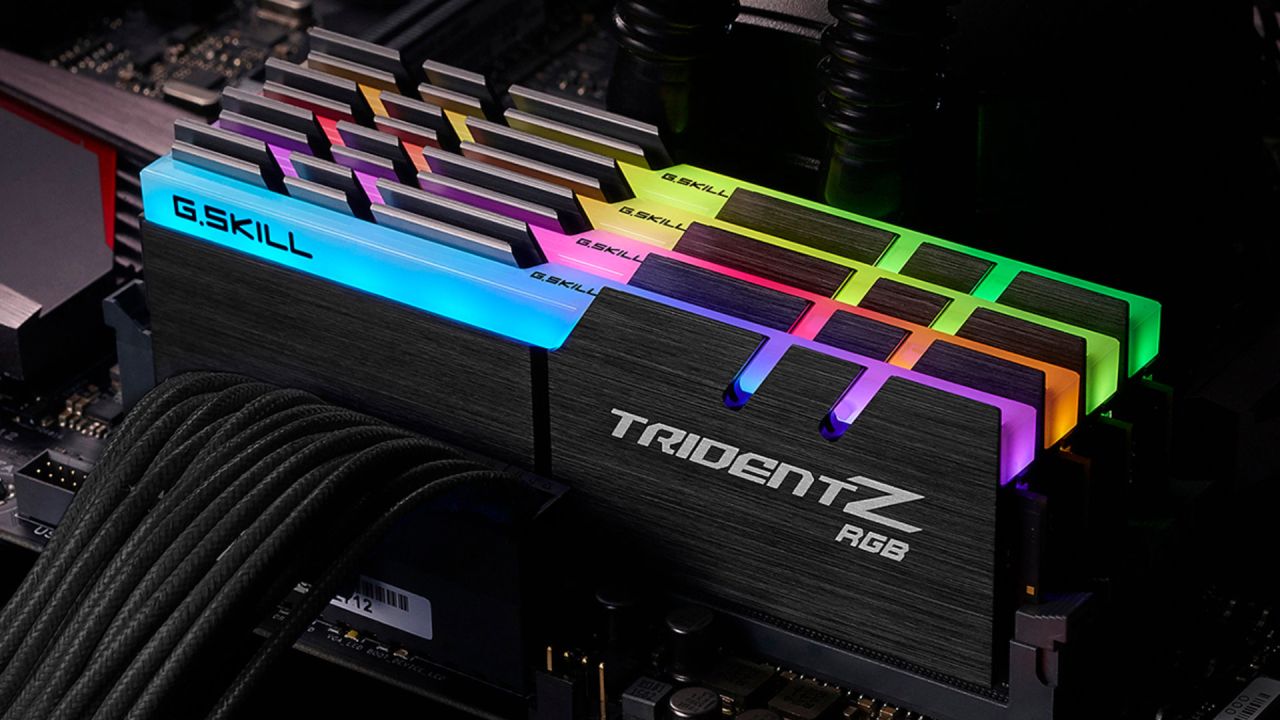
Pricing is the first thing that comes to mind. In particular, the price of memory has gone through the roof, which initially confused everyone. RAM kits with 32GB of RAM now cost between £300 and £400, which seems crazy for what they do in a game PC.
Because of this rise, the price of the memory units has gone up. Since RAM makers buy the key parts and assemble them, if the price of those parts goes up overnight, store prices have to go up too to keep their profit margins.
This method is not new. There were always small price differences between RAM kits. The size has changed. The whole industry was hit at once, and all of the manufacturers had to drastically raise their prices. We're now in a situation where the price of memory doesn't seem to align with what the average gamer thinks it's worth.
AI and the Memory Allocation Crisis
Artificial intelligence is the main cause of this rise. Memory production capacity has been bought up by big companies years in advance, leaving very little for consumer goods.
Due to limited supply, a buying war has driven prices even higher. AI processes need a lot of memory, and companies that want to get results quickly to please investors are willing to pay more. PC players are now fighting over what's left.
Starting up a new business to make memories is not a good idea. It takes three to five years to finish building a manufacturing plant, which costs well over $10 billion. It's possible that the problem would be over by the time such a facility opened. For now, RAM prices will remain high, and there is only a small chance they will fall later this year. Also, things may get worse before they get better.
GPUs and Storage Are Not Immune
Bugs in memory don't just happen with RAM sticks. Memory is also very important for graphics cards. The situation isn't a disaster yet, but as the year goes on, GPU prices could start to drop due to shortages. It's already looking like future mid-cycle updates might not happen.
Also, SSD storage is becoming increasingly expensive. Prices for drives that used to seem cheap are slowly rising, and the problem is made worse by less competition as some companies leave the consumer memory market.
The Double-Edged Sword of AI in Gaming
Frame rates can be raised with technologies like DLSS, and AI tools can help writers make worlds with more details in less time. The game systems are getting better, and image quality can really improve. But people are growing increasingly angry that so much money is being spent on AI. At the same time, standard generational performance improvements are still pretty small.
Frame creation, in particular, causes people to disagree. There are clear benefits to super resolution, but excessive frame multiplication can cause visual artifacts and latency issues.
Many players think that greater AI features, not real improvements in raw performance, are the reason why prices are going up. As a result, players feel they are being given cheats rather than real progress.
Ray Tracing, Optimization, and Stagnation
Ray tracking is used almost everywhere in marketing, but it's not always necessary for a great experience. Well-optimized games that don't use much ray tracing can still look and run very well. At the same time, progress in hardware has slowed down. Recent updates to the CPU and platform have only brought small improvements, which adds to the feeling of being stuck.
Even so, the last few months have seen some great games, and people are still excited about what's coming soon. This difference raises an important point: hardware growth feels slow, but software growth remains strong.
Why Upgrading Is Not Always Necessary
One of the most important things to remember is that many existing game PCs are still very good. Most new games run very well on computers that were made in the last five years. More hardware can work with the game thanks to optimization, upscaling technologies like DLSS, FSR, and XeSS, and development better aligned with consoles.
Even though RAM is very expensive, most people don't need to update it very often. Many times, 16GB is enough once you have 32GB. You should be good for a few years. If CPU or GPU prices rose by the same amount, things would be much worse.
The Monitor Upgrade That Makes Sense
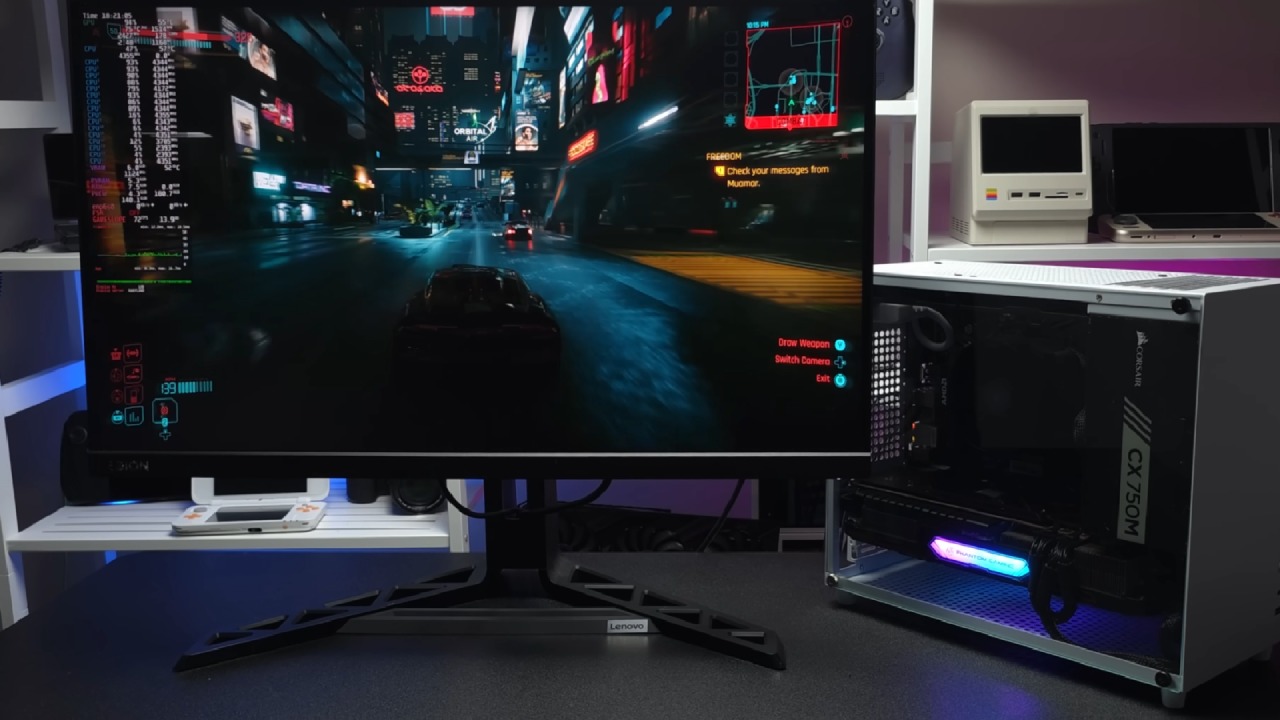
For many players, a high-end monitor with a high refresh rate is more important than spending a lot of money on core changes. The latest generation of OLED displays improves picture quality, motion clarity, and total immersion in a real way. Display technology is one area where spending money still feels like a good idea, with choices like 1440p240hz and more advanced ultrawide and 4K panels.
Perspective From the Long View
PC games have always gone through rounds. Some years are great, and others are hard. People may not remember 2025 and 2026 as great years, but history shows that bad times are often followed by strong recoveries.
The PC game ecosystem today is much stronger than it was in the early 2010s. Cross-play, better ports, cloud saves, and more ways to customize the experience have made it better.
Most PC games are less expensive than their console counterparts, more and more exclusive games are coming to PC, and the community is bigger and more connected than ever. Even with all the problems, PC gaming remains a fun and versatile experience.
Making the Best of the Current Landscape
If you need RAM or storage right now, this is a very difficult situation. One option is to stick with DDR4 platforms for longer or look for deals on older hardware that still works. While memory isn't on sale, monitors, motherboards, and CPUs are, so it's still a good time to change some parts.
In the end, PC gaming is more than just the cost of one part. There are problems in the world right now, but there are still many things to enjoy and reasons to stay positive. As hardware cycles continue, new CPUs and GPUs will be released, and performance gains will finally reach lower price points.
Most of the time, choosing to be less unhappy is the better choice. PC games have been through worse, and they still offer freedom, performance, and experiences that are hard to find anywhere else.
Also, check our other hardware articles below:
- AMD Ryzen 9 9950X3D Review: Setting The Standard For 2025 Gaming CPU
- Amazon Luna 2025 Review: Is Prime Gaming's Cloud Service Your Go-To For Casual Fun?
- AMD RX 9070 XT Review: AMD's RDNA 4 Champion for 1440p Gaming
- GeForce Now Ultimate: Ditching Your Gaming PC For Cloud RTX 4080 Power?
- NVIDIA GeForce RTX 5080 Review (2025): Still A 4K Gaming Powerhouse?
- Intel Core Ultra 9 285K Review And Performance Breakdown (2025)
- AMD Ryzen 7 9800X3D Review: 3D V-Cache Goes God Mode with Stunning Gaming Performance
- Intel Core Ultra 9 285K vs AMD Ryzen 7 9800X3D: In-Depth Gaming Performance and Benchmark Comparison
- NVIDIA GeForce RTX 5080 Super Performance In Cyberpunk 2077: Path Tracing & DLSS 4.0 Tested
- AMD Radeon RX 9070 XT In Cyberpunk 2077: Ray Tracing & FSR 4.0 Tested
- Intel Arc B580 Review: The $250 GPU Revolutionizing 1440p Gaming
- Intel Arc B570 Vs. B580: Value, Specs, And Real-World Gaming Performance
- RTX 5090 Laptop Vs. M4 Max MacBook Pro: Ultimate Raw Performance Vs. Battery Endurance
- Intel Arc b580 Vs. RTX 4060: Game Performance And Value Analysis
- RTX5090 Hell Is Us Demo 4K Ultra Benchmark: DLSS Vs. Native Performance Guide
- NVIDIA RTX 5070 Review: Mid-Range Muscle or Marketing Hype?
- Nintendo Switch 2 Review: Handheld Performance, Features & Value Breakdown
- RTX 5070 Ti Review: Performance, Thermals & Power Efficiency Tested
- Samsung Odyssey OLED G81SF Review 2025: Ultimate 32-Inch QD-OLED Gaming Monitor
- AMD RX 9070 Performance Review: Thermals, Clocks, and Real-World FPS
- AMD Ryzen 5 7600 Review: Best Budget Gaming CPU of 2025?
- AMD Radeon RX 7800 XT Review: RDNA 3 Power For Midrange Gaming
- Asus ROG RTX 5090 Astral OC Vs. Founders Edition: The 4K Gaming Benchmark
- Intel Core i5-13400F Gaming Performance: Still Worth It in 2025?
- ASUS GeForce RTX 5090 LC Liquid Cooled GPU Review: Unmatched Silence & Speed
- ASUS ROG Ally X Handheld Review: Double the Battery, Double the Comfort
- Lenovo Legion Go S Review: The Ultimate Steam Deck 2 Alternative
- Sapphire NITRO+ AMD Radeon RX 9070 XT Review: The Ultimate 4K Gaming GPU
- Alienware 16 Area 51 Review: The Ultimate 2025 Gaming Laptop
- Alienware Area-51 Review: Unmatched 4K, Thermal, and Acoustic Performance
- AMD Ryzen 7 7800X3D: Delivers Gaming Performance Far Beyond Expectations
- AMD Ryzen 9 7900X Review: Powering the AM5 Era with DDR5 & PCIe 5.0
- Intel Core i9‑14900K vs. AMD Ryzen 7 7800X3D: Power Profiles & Gaming Benchmarks
- Intel Core i9 14900K: Specs, Benchmarks, and Competitor Comparison
- ASRock Radeon RX 7800 XT Challenger OC Review: Best Price-to-Performance GPU of 2025
Editor, NoobFeed
Gaming Hardware Updates
No Data.