
PlayStation 6 Timeline Debate and Project Helix Specs Shake Up Console Competition
Industry discussions highlight PlayStation 6 timing, Sony’s console strategy, Project Helix concerns, and shifting Resident Evil player demographics.
Hardware by Nahe Yan on Mar 14, 2026
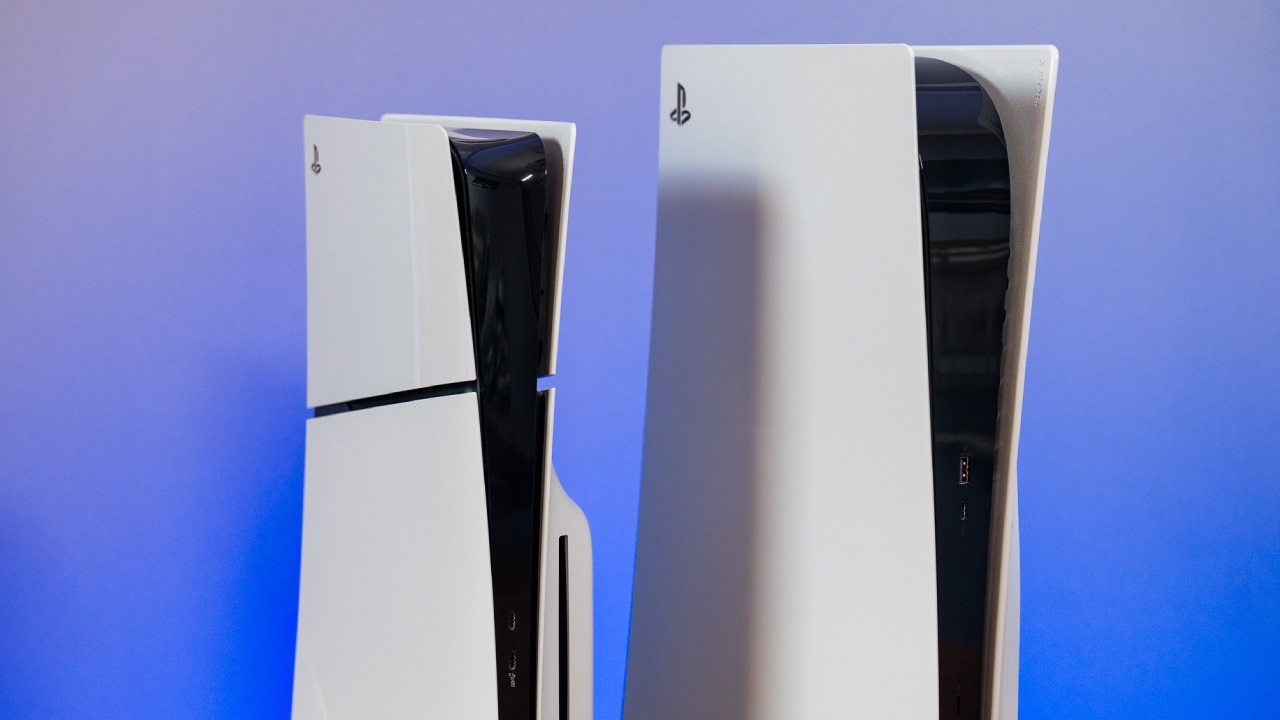
There have been a lot of talks lately about new technology, console strategy, and the people who play games. According to reports, the new PlayStation console might be out sooner than predicted.
At the same time, plans for competing hardware and changes in the kind of people who play games are affecting talks about the future of gaming platforms and franchises.
.jpg)
Discussion About When the PlayStation 6 Will Come Out
There has been a lot of talk about component shortages, but the PlayStation 6 is still on track to be released as planned. Earlier reports said that RAM and storage shortages were putting pressure on Sony, mostly because the AI business was buying large quantities of hardware components.
Sony was said to have two options because of these shortages. The business could either delay the PlayStation 6 and focus on making parts for the PlayStation 5, or stick to the original schedule and reallocate resources to the next-generation consoles. Some people thought that the PlayStation 6 might not come out until 2028 or 2029.
A lot of people thought a delay would be a good idea because the PlayStation 5 generation hasn't really shown what it can do yet. Cross-generational releases, not wholly exclusive titles, have defined much of the present generation. There are still a few projects in the works, such as Horizon Hunters Gathering, Ghost of Vote Legends Mode, Wolverine, and a reported Venom project.
But new evidence implies that the original schedule may not change. Reports about Xbox's impending Project Helix say that Microsoft might debut its next hardware around 2027. According to papers cited by the well-known hardware expert Moore's Law Is Dead, production could start in early 2027, with the product coming out later that year. Sony might want to release the PlayStation 6 around the same time because of that timeframe.
How will players respond to a new platform launch? Many people were happy with the PlayStation 4 Pro till the end of the PlayStation 4 period. Control, The Outer Worlds, Ghost of Tsushima, and The Last of Us Part Two were all fun to play on the system. But as the generation came to an end, certain third-party releases pushed the hardware beyond what was comfortable, making people more interested in upgrading.
The same thing happened with the PlayStation 3. Even though the system was still fun to use, going back to it after using modern hardware showed noticeable performance differences. That difference finally made players want to move on to the PlayStation 4.
Things are different now because the PlayStation 5 hasn't gotten many games made just for it yet. Many new games still work on older systems. Players are asking for older console versions of newer games like Marathon and Resident Evil Requiem. This shows how slowly technology needs have changed.
Because of this, whether a PlayStation 6 is needed may depend on how well the next PlayStation 5 exclusives perform. Players may start to notice the limits of the current system if new games fully leverage the technology. People who just bought a PlayStation 5 or PlayStation 5 Pro don't have to upgrade right away, though. You can keep using the console until it stops working or becomes incompatible.
There may also be more hardware available for the next console launch than there was during the PlayStation 5 launch. There are still shortages of some parts, but the bigger supply chain problems from prior global conditions are no longer a problem.
How Sony's Plan Compares to Project Helix
Sony is focusing on a typical console experience right now. At the same time, information about Microsoft's Project Helix points to an alternative path that appears to be a PC gaming system.
Some leaked information suggests that Project Helix would use hardware that is similar to that of modern gaming PCs. It has been said that the setup is similar to one that uses parts like a Radeon 9700 XT-class graphics card and a Ryzen 9800X3D-style processor. The performance of this kind of hardware would be close to that of systems that can run recent Unreal Engine 5 games at high settings without any problems.
But the price of that kind of hardware raises some worries. A PC with similar parts can cost close to $2,000. Even with concessions for large-scale production, projections suggest the console might cost more than $1000, ranging from $1200 to $1500, depending on the final specs.
On the other hand, Sony is sticking with the traditional console ecosystem. A PlayStation 6 would likely focus on improving software on a regulated platform. Games bought through the PlayStation ecosystem would work with the hardware right away, so you wouldn't have to set them up yourself.
That difference could change how much help developers get. If Project Helix doesn't sell many copies, developers may not prioritize custom graphics presets for the platform. In that case, players might need to manually adjust parameters like VSYNC or FSR to achieve stable performance.
A traditional console architecture avoids this by giving you games that are already optimized for the device. Most of the time, gamers don't have to make many settings changes, so they can start playing right away without having to fix performance problems.
From a broader strategic perspective, Sony appears focused on strengthening the PlayStation ecosystem. The business still sees PlayStation as a separate console platform and doesn't want to mix it with PC distribution approaches.
Microsoft has also been growing its ecosystem across PCs, consoles, and subscription services. That plan gives players more options, but it also makes things more complicated for those who like a straightforward gaming setup.
Many people who play on both platforms know the experiences are different. PC gaming can be faster, but you may have to deal with compatibility, driver, or optimization issues. Consoles usually give up certain graphical settings, but they always work well without needing any technical changes.
Competition in Hardware and Platform Identity
In the past, competition between console makers led to diverse design philosophies and platform identities. In the past, there were analogous differences, such as the PlayStation 2 facing the original Xbox or the PlayStation 3 facing the Xbox 360.
As services and ecosystems have grown across platforms, the current generation has blurred those lines. However, recent plans imply that the two approaches are once again diverging.
Sony still prioritizes dedicated hardware and unique platform optimization. Microsoft is testing with hybrid systems that combine the flexibility of PCs.
Nintendo is still in a separate market, focused on portability and unique gameplay experiences rather than competing directly on graphics. People who want to play games on the go commonly prefer Nintendo systems. In contrast, those who want the most powerful technology usually choose PlayStation or PC.
There are also reports that Sony is working on a handheld device connected to the PlayStation ecosystem, focused on performance. This kind of device would be a companion platform, not a replacement for a home console.
Demographics of Resident Evil Players
Another topic of conversation among gamers is the age and gender of Resident Evil players. A recent study of Resident Evil Requiem players found that almost 60% of those who bought it are 35 or older.
The number shows that the franchise still has many fans among players who have been playing it for a long time. At the same time, younger people are increasingly interested in multiplayer or live-service games like Roblox and Fortnite.
That tendency shows that different generations like different types of games. Many younger players spend time in social multiplayer games. In contrast, older players prefer long-standing single-player franchises.
Capcom released updated Resident Evil remakes in part to attract new players to the series. Even if those remakes drew in some younger players, most gamers are still long-time followers of the series.
One reason is the series' timeline. Resident Evil 5 and Resident Evil 6 are among the most important games yet to be remade. Younger gamers who start with the remake series may want to keep playing remakes rather than going straight to later-numbered games.
The audience balance may change as the cycle of remakes goes on. Future games might slowly bring the series to people who didn't grow up with the older Resident Evil games.
Final Thoughts
The types of games people want to play change with each new generation of gamers. Younger people tend to choose online platforms that often provide new content, allow them to engage with other players, and have easy-to-follow gameplay loops.
Older audiences often still enjoy classic single-player games with well-structured stories and easy-to-understand gameplay mechanics. Long-running series like Resident Evil, Metal Gear Solid, and Dark Souls keep that age group very interested.
The differences don't always mean that something is becoming less important. Instead, they show how the game industry can serve many different types of people at once. There are diverse parts of the industry for multiplayer platforms, subscription services, story-driven games, and portable gaming devices.
Knowing those trends helps us understand why different console makers use different techniques. A company's hardware design, ecosystem structure, and platform focus typically reveal who they want to serve.
Also, check our other hardware articles:
- AMD Ryzen 9 9950X3D Review: Setting The Standard For 2025 Gaming CPU
- Amazon Luna 2025 Review: Is Prime Gaming's Cloud Service Your Go-To For Casual Fun?
- AMD RX 9070 XT Review: AMD's RDNA 4 Champion for 1440p Gaming
- GeForce Now Ultimate: Ditching Your Gaming PC For Cloud RTX 4080 Power?
- NVIDIA GeForce RTX 5080 Review (2025): Still A 4K Gaming Powerhouse?
- Intel Core Ultra 9 285K Review And Performance Breakdown (2025)
- AMD Ryzen 7 9800X3D Review: 3D V-Cache Goes God Mode with Stunning Gaming Performance
- Intel Core Ultra 9 285K vs AMD Ryzen 7 9800X3D: In-Depth Gaming Performance and Benchmark Comparison
- NVIDIA GeForce RTX 5080 Super Performance In Cyberpunk 2077: Path Tracing & DLSS 4.0 Tested
- AMD Radeon RX 9070 XT In Cyberpunk 2077: Ray Tracing & FSR 4.0 Tested
- Intel Arc B580 Review: The $250 GPU Revolutionizing 1440p Gaming
- Intel Arc B570 Vs. B580: Value, Specs, And Real-World Gaming Performance
- RTX 5090 Laptop Vs. M4 Max MacBook Pro: Ultimate Raw Performance Vs. Battery Endurance
- Intel Arc b580 Vs. RTX 4060: Game Performance And Value Analysis
- RTX5090 Hell Is Us Demo 4K Ultra Benchmark: DLSS Vs. Native Performance Guide
- NVIDIA RTX 5070 Review: Mid-Range Muscle or Marketing Hype?
- Nintendo Switch 2 Review: Handheld Performance, Features & Value Breakdown
- RTX 5070 Ti Review: Performance, Thermals & Power Efficiency Tested
- Samsung Odyssey OLED G81SF Review 2025: Ultimate 32-Inch QD-OLED Gaming Monitor
- AMD RX 9070 Performance Review: Thermals, Clocks, and Real-World FPS
- AMD Ryzen 5 7600 Review: Best Budget Gaming CPU of 2025?
- AMD Radeon RX 7800 XT Review: RDNA 3 Power For Midrange Gaming
- Asus ROG RTX 5090 Astral OC Vs. Founders Edition: The 4K Gaming Benchmark
Editor, NoobFeed
Gaming Hardware Updates
No Data.