
PS6 Leaks Suggest RTX 4090-Level Performance and 2027 Launch
Sony’s next console generation promises a massive performance leap with improved ray tracing and advanced compression technology.
Hardware by Tanvir Kabbo on Nov 10, 2025
It's been five years since the PS5 was released, and one year since the PS5 Pro was introduced. Time has truly flown by. While the PS6 is still a few years away, numerous leaks have already occurred, along with an official video from Sony discussing what to expect.
From major hardware leaps to a redesigned controller and improved backward compatibility, the PS6 is shaping up to be a major generational upgrade for gaming.
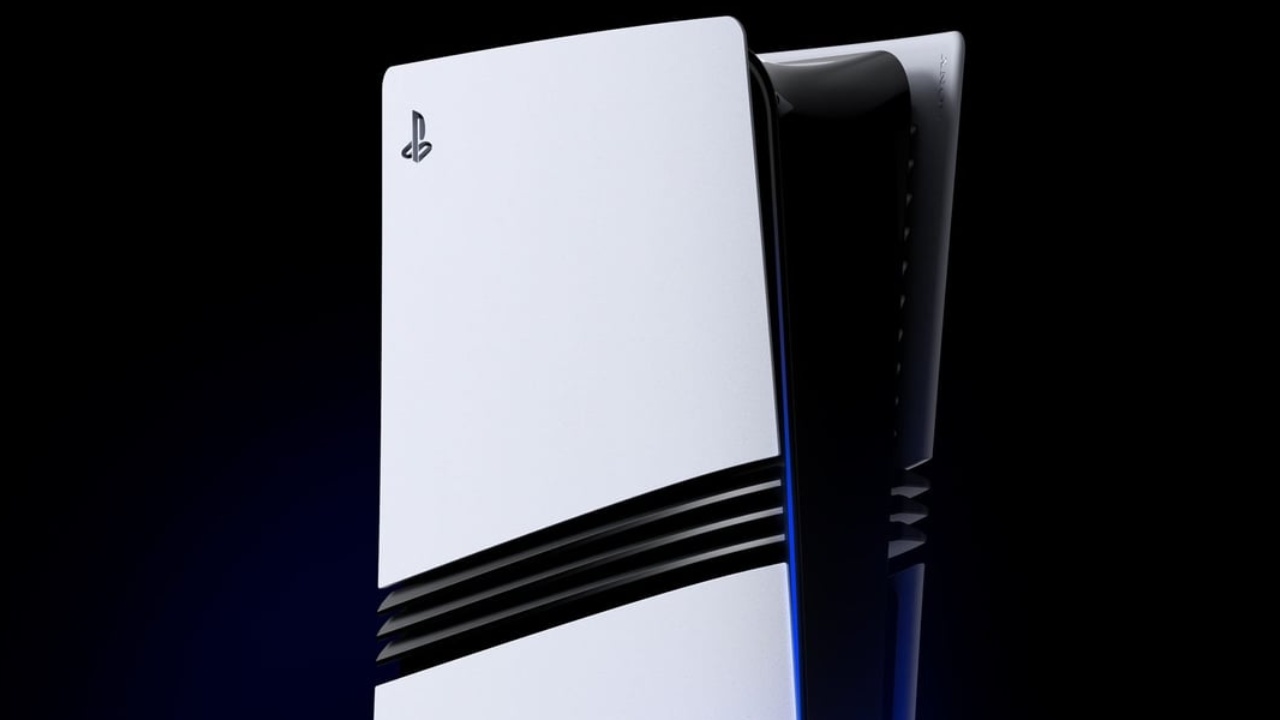
Massive Hardware Upgrades
The PS5 currently features an 8-core, 16-thread CPU based on AMD's Zen 2 architecture, comparable to the Ryzen 3700 or 3700X. Although still capable, that chip will be nearly a decade old by the time the PS6 arrives, making an upgrade long overdue. The upcoming PS6 is set to feature a custom AMD CPU based on the Zen 6 Orion architecture, which will jump four generations ahead.
It will reportedly include eight high-performance cores and two efficiency cores—likely reserved for the OS to free up resources for gaming.
The chip is expected to utilize TSMC's 3nm manufacturing process, with a die size of around 280mm², fitting between the PS5's 300mm² die on 7nm and the PS5 Slim's 260mm² die on 6nm. The integrated GPU is rumored to be 2.5–3 times faster than the PS5's for rasterization and up to 6–12 times faster for ray tracing.
According to reliable leaker Moore's Law Is Dead, the PS6 could even rival or surpass the RTX 4090—a card that launched at $1500. This leap is made possible by AMD's upcoming RDNA architecture.
AI-Powered Graphics and New Technologies
Sony and AMD have reportedly co-developed new technologies under the name Project Amethyst, which may debut with the PS6. Mark Cerny, PlayStation's lead architect, and AMD's senior vice president discussed three key innovations: Neural Arrays, Radiance Cores, and Universal Compression.
Neural Arrays connect GPU compute units for improved performance and efficiency. Radiance Cores are dedicated to handling ray tracing, reducing CPU load, and boosting speed. Universal Compression, meanwhile, uses AI to analyze and compress data more efficiently than current methods. Although these technologies are still in testing phases, they are highly likely to appear in the PS6 and even the rumored PS6 handheld system.
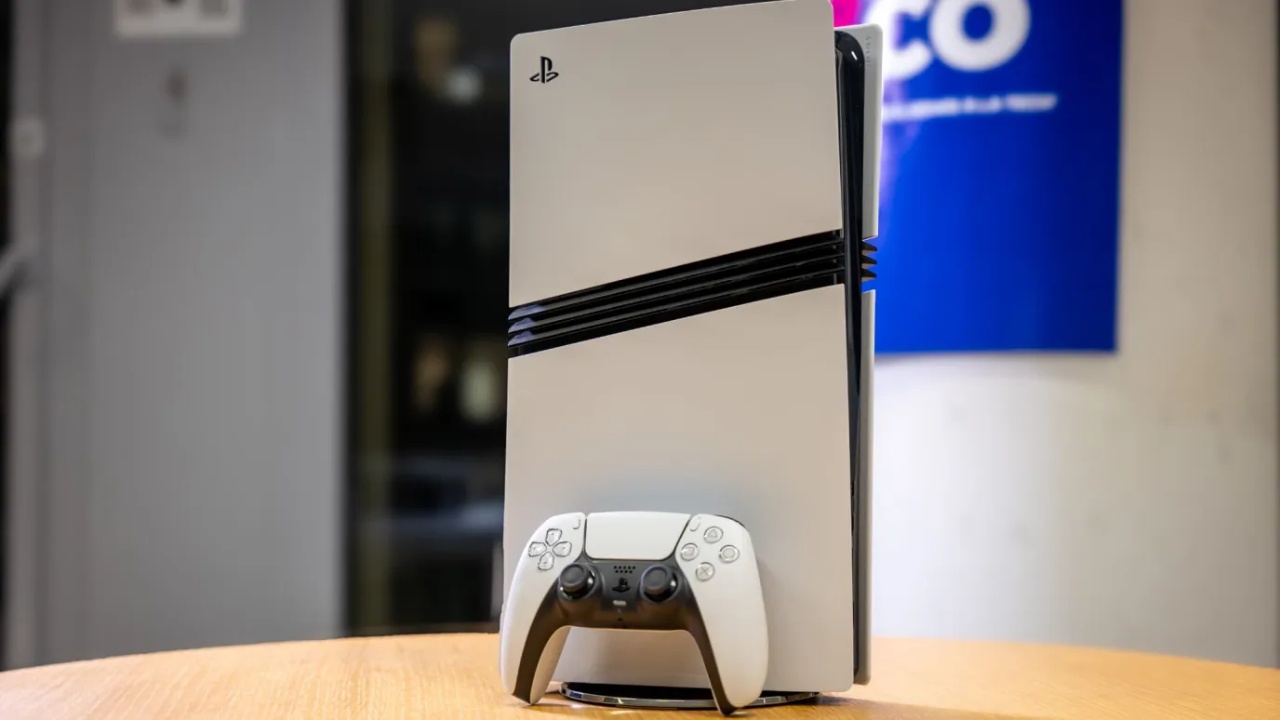
Backward Compatibility and Memory Enhancements
Given that the PS6 will continue to use the x86 architecture, we can expect backward compatibility with both PS4 and PS5 titles. That would make it the first Sony console in two decades to support two previous generations, similar to how the original PlayStation 3 supported PlayStation 2 and PlayStation games.
In terms of memory, the PS6 could feature a 160-bit memory bus, delivering around 640GB/s bandwidth—42% more than the PS5 and 11% more than the PS5 Pro. If Sony opts for 3GB GDDR7 RAM modules, the total system memory could reach up to 30GB, nearly double the capacity offered by the PS5 and PS5 Pro.
Sleeker Design and Dustproof Innovation
Design-wise, the PS6 will reportedly adopt a more understated look compared to the bold, futuristic design of the PS5. It is expected to feature a detachable optical drive, similar to the PS5 Slim and PS5 Pro, allowing users to choose between a digital-only or disc-based experience.
A new dustproof system, recently patented by Sony, may also be part of the PS6. This design aims to prevent dust and dirt from entering the console while maintaining efficient airflow, thereby enhancing both durability and cooling performance.
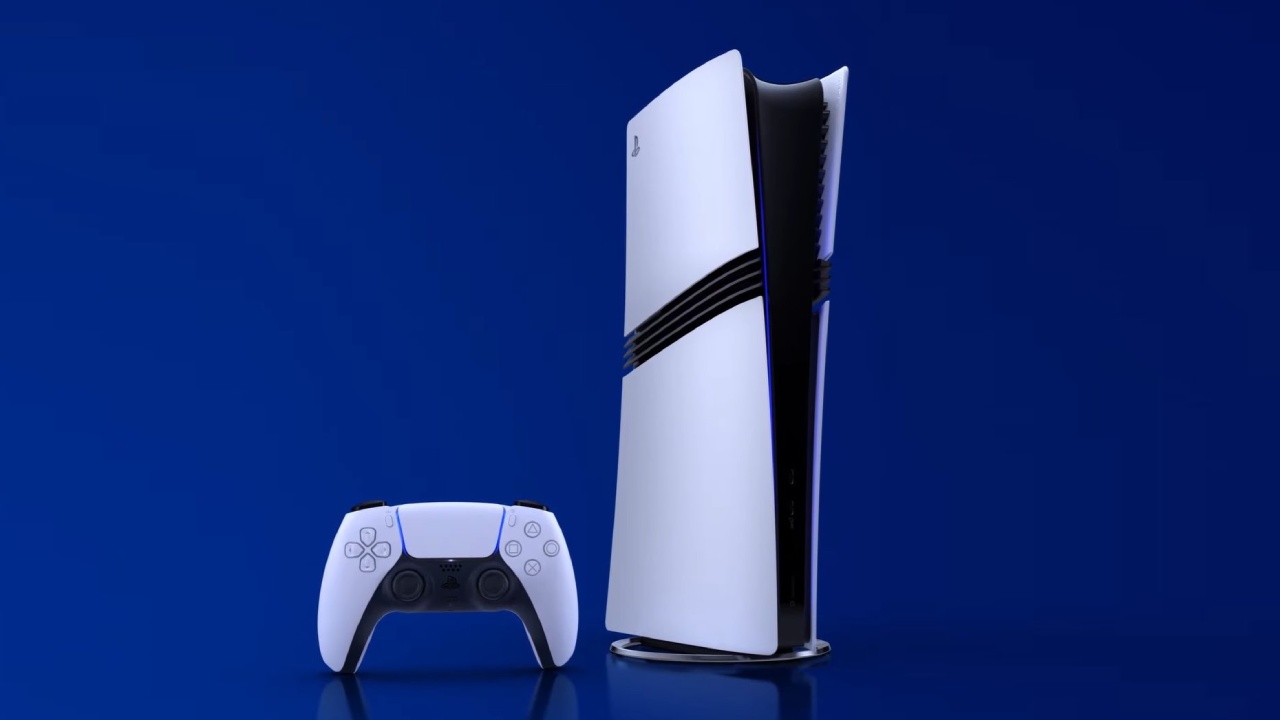
Refined DualSense Controller
Sony is reportedly developing a new version of the DualSense controller, known as the DualSense V3. It will feature a removable, rechargeable USB-C battery while retaining the signature haptic feedback and adaptive triggers.
This upgraded controller may be released even before the PS6, potentially alongside a revised PS5 Pro model. We can expect the PS6 controller to build upon this design, offering an even better tactile experience.
Storage Upgrades and Customization
Storage will see another welcome improvement, with the PS6 expected to include a 2TB NVMe 5 SSD—up from the PS5's 825GB and PS5 Slim's 1TB drives. This upgrade will provide faster load times and more space for large modern games.
We hope Sony keeps the option to manually upgrade the SSD, as it's one of the best quality-of-life features of the PS5.
Expected Release Date
According to reliable leaker Kepler L2, Sony is targeting a 2027 release for the PS6. This aligns perfectly with the company's 7-year upgrade cycle: the PS3 in 2006, PS4 in 2013, and PS5 in 2020. If history repeats itself, 2027 seems like the most realistic timeframe for the PS6's debut.
Pricing Predictions
Pricing remains speculative, but Moore's Law Is Dead suggests the PS6 could launch at $500—matching the PS5's launch price. Other sources, including Tom's Guide and Digital Trends, predict prices ranging from $550 to $700.
We expect to spend around $700, matching the cost of the PS5 Pro, especially since inflation and premium component costs are at an all-time high. Sony would likely position the PS5 Pro as a $500 option once the PS6 launches.
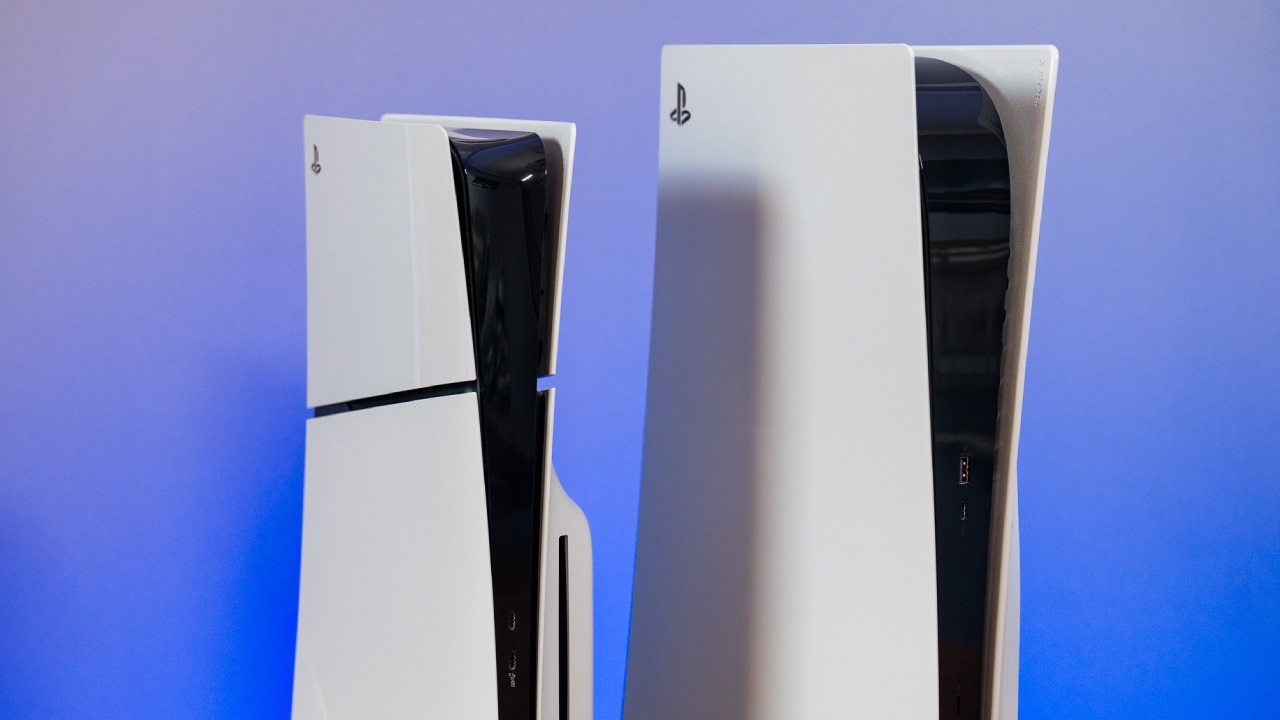
Future of PlayStation
With rumors suggesting a handheld PS6 companion offering PS5-level performance and dockable capability, the future of PlayStation appears more versatile than ever. We can anticipate the PS6 to set a new standard in gaming power, visual fidelity, and AI-driven performance enhancements.
The PS6 is coming out at the perfect time, just as GTA 6 is coming out next year. This new console is one of the most anticipated in PlayStation history, as it will enable you to play next-generation games with stunning graphics.
We can't wait to see what Sony delivers when the PS6 finally arrives—and if these leaks are any indication, it's going to redefine console gaming once again.
Also, Check Our Other PS5 Pro Articles:
- PS5 Pro vs. PS5 Slim: Frame‑Rate, Graphics & Performance
- PS5 Pro vs. Radeon RX 9060 XT vs RTX 5060 Ti: Ultimate $700 Gaming Showdown
- ASUS ROG Ally PS5 Remote Play | How to do Remote play on PS5 Using Sony's Official Remote Play App
- Stream PS5 Games on Steam Deck OLED: Step-by-Step Installation and Configuration
- AI Upscaling on PS5 Pro: Can PSSR Finally Match DLSS?
- PS5 Pro vs. PS5 Slim vs. PS5 — Design, Storage, Specs, and Gaming
- PS5 Pro vs. Xbox Series X: Specs, Price, Storage, Customization, and Gaming
- PS5 Pro vs. PC Gaming: Comparison of Graphics, Frame Rates, and Price
Senior Editor, NoobFeed
Gaming Hardware Updates
No Data.