
RDNA5 Architecture Overview: What Gamers Need to Know About AMD’s Next-Gen GPUs
RDNA5’s highest-end GPU may not arrive for gamers, leaving Nvidia RTX 6080 and RTX 6090 as main competitors.
Hardware by Tanisha Aria on Mar 01, 2026
A lot of people are excited about AMD's future RDNA5 architecture, which will bring new technologies. With better AI and ray tracing, the new Radiance Cores and Universal Compression offer huge improvements in graphics quality.
Recent reports, on the other hand, say that the RDNA5 GPU 80 series, which is the most powerful, might not be released for gamers. Instead, it might only be used in data centres. High-end gamers might only have Nvidia's RTX 6080 and 6090 to choose from if this is true.
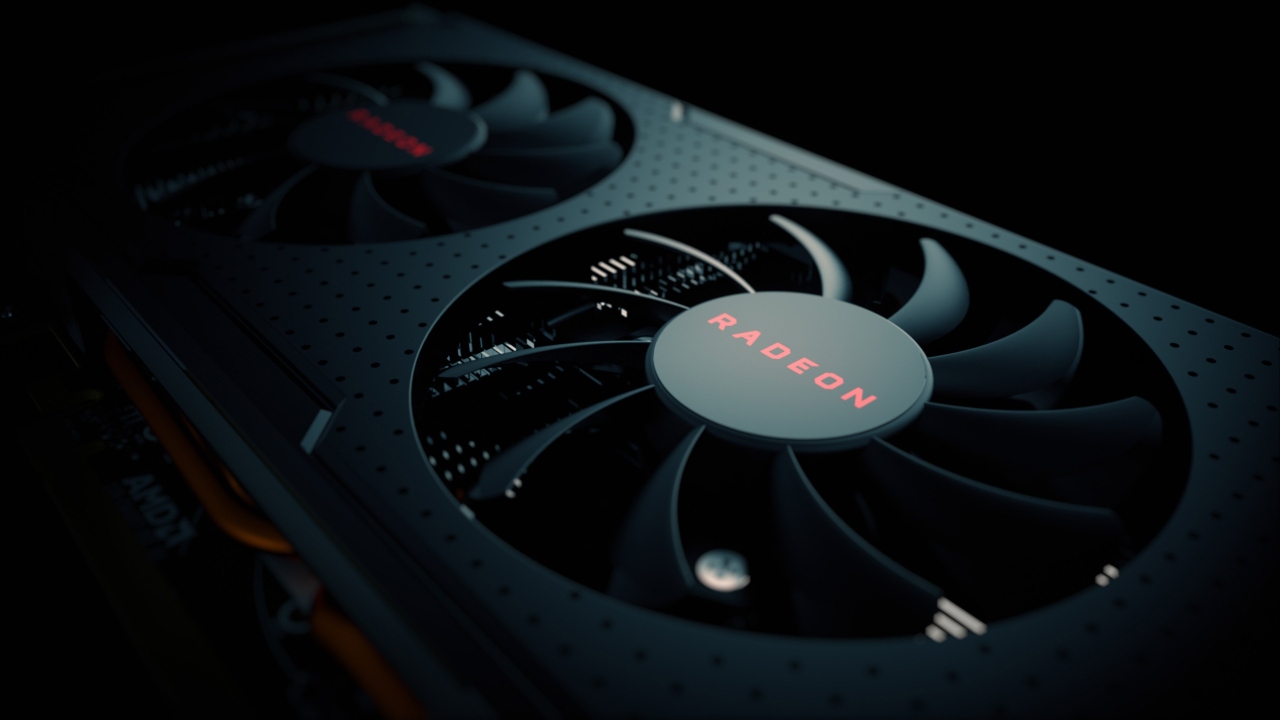
RDNA5 Architecture and Gaming Potential
RDNA5 looks very strong from a design perspective. AMD is taking big steps forward, especially in ray tracing, AI acceleration, and overall system performance. Adding universal compression will improve data flow, which is crucial for games and content creation that use AI.
Fans of video games were excited about this design because it would help it compete with Nvidia's Halo cards, such as the RTX 6080 and RTX 6090.
But the report that the 80-series client graphics will not be produced is worrying. The chip might now only be used for high-performance computing (HPC) and data centre tasks.
This means that gamers might not be able to use the full flagship speed. The 82 series is the next-best game GPU, but it has far fewer compute units, which makes it less powerful for raw shader performance.
Gaming vs Data Centre: RDNA5 80 Series Cuts
The fastest RDNA5, with 184 compute units, was supposed to directly compete with Nvidia's fastest GPUs. Still, it will allegedly be scaled back for gaming.
The 154 compute unit variant, intended to be the Halo game card, will have fewer resources, and the 82 series, with only 64 compute units, is at the bottom of the stack. All of these still use GDDR7 memory, but they work much more slowly than the full 80 series.
This drop in compute units means AMD's gaming lineup might not perform as well as Nvidia's RTX 60 series is supposed to. The 82 series might be about as fast as an RTX 6070, but it probably won't keep up with RTX 6080 or RTX 6090 cards. This could leave a hole in the high-end market, leaving Nvidia with little to no competition.
Insider Rumours and Speculations
Some people in the business have said that AMD is prioritising data centres over gaming, which could explain why the 80 series for players seems to have been cancelled. Some sources say AMD may also be affected by rising memory costs and market uncertainty.
Consumer cards that use GDDR7 may not be able to be released at a price that can compete, especially if AMD wants to give enough VRAM for high-end gaming workloads.
There is more uncertainty about AMD's Medusa Halo CPU, which makes things even more difficult. Some new roadmaps don't show Medusa Halo, which could mean that the game is delayed or the focus has changed. These roadmaps might not show the final plans, but they do show that AMD is focusing smartly on data centre and HPC products.
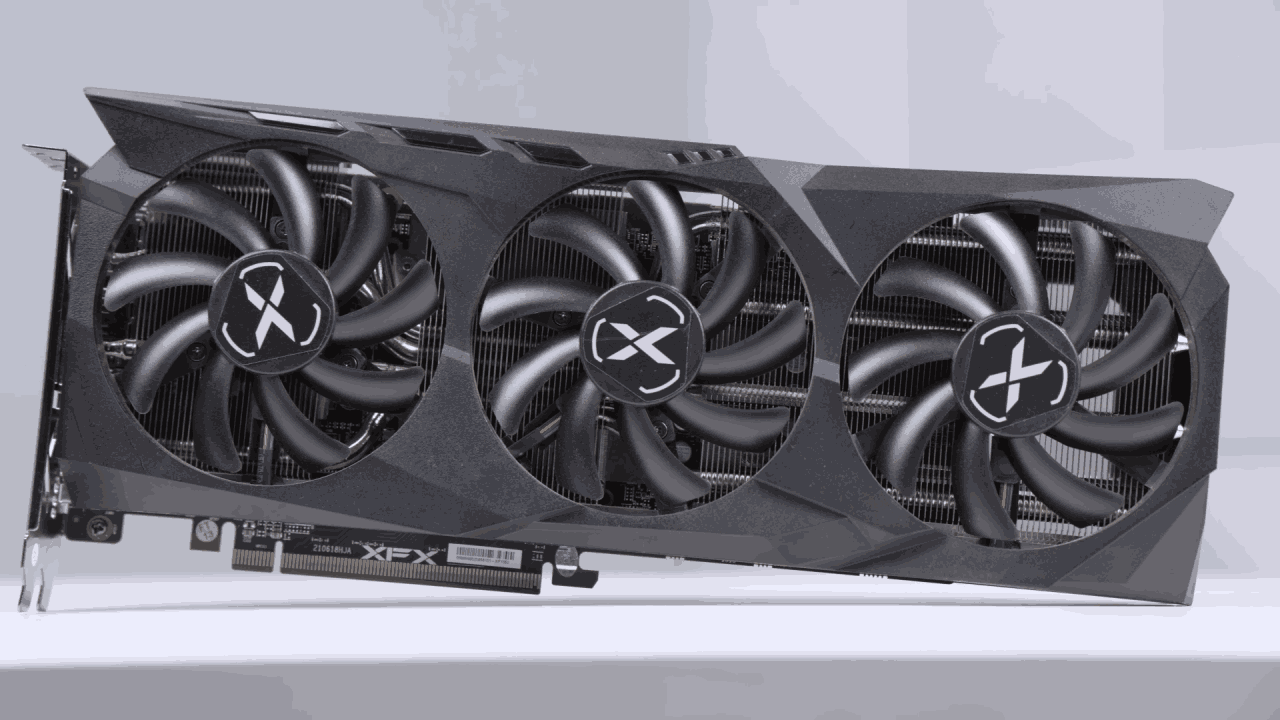
Performance Estimates and Comparisons
It's always hard to guess how well something will work. Still, early tests show that the gaming 82 series might be about as fast as an RTX 6070, or even a little faster in ray tracing tasks, thanks to its better architecture.
This is bad news for gamers who want to play at the highest level with RTX 6080 or RTX 6090 cards. NVIDIA may keep the high-end market to itself for at least the next generation if AMD doesn't release a real flagship gaming card.
Estimates from sites like "Mor is Dead" showed that the RDNA5 80 series would have been a strong competitor to Nvidia's Halo cards even if it had not hit its full potential. Gamers may need to lower their standards or consider alternatives to Nvidia if they want the best performance from the smaller versions.
Implications for the GPU Market
There might not be a flagship RDNA5 game card, which could affect the GPU market more broadly. When competition is insufficient in the high-end market, prices tend to rise, and new ideas take longer to emerge.
This could mean that gamers have fewer choices for high-performance setups and that features like advanced ray tracing and graphics powered by AI will take longer to catch on.
The price of memory is still a mystery in this case. Even mid-range RDNA5 cards could have trouble with cost if GDDR7 prices stay high. On the other hand, Nvidia's RTX60 series is likely to come out anyway, likely setting prices and performance standards for the rest of the market.
Final Thoughts
Even though RDNA5 offers many great architectural possibilities, fans are disappointed that the high-end gaming version might not be made. AMD seems to be focusing on the data centre business, leaving Nvidia to handle most of the high-end gaming market.
If you were hoping for a top-of-the-line RDNA5 card, you might want to reconsider your other options and see whether the current RDNA5 game lineup meets your needs.
Even with these doubts, RDNA5's core science is still very interesting. AMD's next-generation GPUs will deliver great experiences, even if the most powerful Halo card is no longer designed for gamers.
These include better ray tracing, faster AI, and better compression. The next few months will be very important for confirming these stories and seeing how AMD changes its plans for gamers.
Also, check our other hardware articles:
- AMD Ryzen 9 9950X3D Review: Setting The Standard For 2025 Gaming CPU
- Amazon Luna 2025 Review: Is Prime Gaming's Cloud Service Your Go-To For Casual Fun?
- AMD RX 9070 XT Review: AMD's RDNA 4 Champion for 1440p Gaming
- GeForce Now Ultimate: Ditching Your Gaming PC For Cloud RTX 4080 Power?
- NVIDIA GeForce RTX 5080 Review (2025): Still A 4K Gaming Powerhouse?
- Intel Core Ultra 9 285K Review And Performance Breakdown (2025)
- AMD Ryzen 7 9800X3D Review: 3D V-Cache Goes God Mode with Stunning Gaming Performance
- Intel Core Ultra 9 285K vs AMD Ryzen 7 9800X3D: In-Depth Gaming Performance and Benchmark Comparison
- NVIDIA GeForce RTX 5080 Super Performance In Cyberpunk 2077: Path Tracing & DLSS 4.0 Tested
- AMD Radeon RX 9070 XT In Cyberpunk 2077: Ray Tracing & FSR 4.0 Tested
- Intel Arc B580 Review: The $250 GPU Revolutionizing 1440p Gaming
- Intel Arc B570 Vs. B580: Value, Specs, And Real-World Gaming Performance
- RTX 5090 Laptop Vs. M4 Max MacBook Pro: Ultimate Raw Performance Vs. Battery Endurance
- Intel Arc b580 Vs. RTX 4060: Game Performance And Value Analysis
- RTX5090 Hell Is Us Demo 4K Ultra Benchmark: DLSS Vs. Native Performance Guide
- NVIDIA RTX 5070 Review: Mid-Range Muscle or Marketing Hype?
- Nintendo Switch 2 Review: Handheld Performance, Features & Value Breakdown
- RTX 5070 Ti Review: Performance, Thermals & Power Efficiency Tested
- Samsung Odyssey OLED G81SF Review 2025: Ultimate 32-Inch QD-OLED Gaming Monitor
- AMD RX 9070 Performance Review: Thermals, Clocks, and Real-World FPS
- AMD Ryzen 5 7600 Review: Best Budget Gaming CPU of 2025?
- AMD Radeon RX 7800 XT Review: RDNA 3 Power For Midrange Gaming
- Asus ROG RTX 5090 Astral OC Vs. Founders Edition: The 4K Gaming Benchmark
Contributor, NoobFeed
Gaming Hardware Updates
No Data.